If you have ever had experience with or been in proximity to scaffolding, you might have considered the practicality and safety of placing a ladder atop it to access elevated work areas. While this may appear to be a straightforward and convenient solution, it is imperative to consider the critical safety aspects that must be thoroughly evaluated before proceeding. Understanding the associated risks and the regulatory framework governing this practice is essential for ensuring the safety of yourself and others working in the vicinity, as well as adhering to best practices in construction.
Although it may seem straightforward, using a ladder on scaffolding is EXCEEDINGLY hazardous. The introduction of ANY extraneous items onto a stable scaffolding framework can lead to significant dangers and unforeseen accidents. The risks involved in this practice are substantial and should never be underestimated. It is crucial to prioritise safety over convenience in any construction setting, as the consequences of negligence can be dire and potentially life-altering.
This article thoroughly examines the multiple reasons why placing a ladder on scaffolding is inadvisable, highlighting the potential hazards while exploring safer alternatives that should be seriously considered instead.

Evaluating the Safety Risks of Ladder Usage on Scaffolding
The unequivocal answer is NO; employing a ladder on scaffolding is NOT safe.
Utilising a ladder on a scaffolding setup presents considerable dangers that can compromise the integrity of the entire arrangement. The primary function of scaffolding is to provide a secure and stable working platform that adheres to rigorous load-bearing specifications. When a ladder or any additional equipment is placed on this structure, it risks destabilising the entire system, thereby amplifying the chances of accidents, falls, and severe injuries. Thus, while it may seem like a clever shortcut to access a higher area, the potential hazards far outweigh any perceived advantages, making it crucial to pursue safer solutions.
Also Read: What NOT to Do When Using Scaffolding for Safety
Identifying the Specific Dangers Associated with Ladder Use on Scaffolding
Having established that using a ladder on scaffolding is unsafe, let’s delve deeper into the specific dangers inherent in this practice:
1. Instability of the Scaffolding Structure When Using a Ladder
Scaffolding is meticulously engineered to create a safe and robust working platform; however, placing a ladder on it can significantly disrupt this balance. Ladders are specifically designed to be positioned on solid ground rather than atop another structure. When a ladder is set upon scaffolding, it can destabilise the entire assembly, greatly heightening the risk of falls, slips, or even catastrophic scaffold failure. This precarious situation poses a serious danger not only to the user but also to everyone within the vicinity, underscoring the necessity for heightened caution and awareness.
2. Increased Fall Risk Due to Height Elevation and Ladder Use
When working on scaffolding, you are already elevated above the ground. Adding a ladder can further increase this elevation, thereby escalating the risk of falling. The precariousness associated with using a ladder on scaffolding creates hazardous situations, especially if the ladder shifts, slips, or fails to maintain its stability. The potential for severe injuries rises dramatically with higher falls, making this practice extremely risky and possibly life-threatening, necessitating a serious reconsideration of access methods.
Also Read: Who Is Responsible for Scaffold Hire and Safety?
3. Improper Ladder Angle Heightens the Risk of Accidents
Ladders are designed to be utilised at specific angles to ensure safety during operation. When a ladder is placed haphazardly on scaffolding, it prevents the attainment of the correct angle necessary for stability. An improperly positioned ladder is more susceptible to slipping or sliding, particularly when situated on a surface that lacks solidity and support. Furthermore, scaffolding does not provide the same level of stability as a solid ground surface, complicating the task of securing the ladder at the appropriate angle and thereby increasing the risk of accidents and injuries.
4. Inadequate Secure Attachment Creates Serious Hazards
Using a ladder on scaffolding often results in insufficient securing of the ladder itself. Most scaffolding setups are not designed to accommodate ladders, meaning there is typically no reliable method to attach them securely. Although the ladder may appear stable initially, any movement, vibrations, or slips can quickly lead to the ladder falling or tipping over, presenting a severe risk to users and those nearby, potentially leading to catastrophic consequences that could be both damaging and life-threatening.
5. Non-Compliance with OSHA Safety Regulations Increases Legal Risks
If you are operating on a construction site, adherence to safety regulations is often mandated. The Occupational Safety and Health Administration (OSHA) enforces strict guidelines regarding the safe use of scaffolding and ladders. Improperly using a ladder on scaffolding can lead to violations of OSHA standards (such as 1926.1053 for ladders and 1926.451 for scaffolding). Non-compliance can result in legal repercussions, fines, penalties, or even project shutdowns, making it essential to follow safety guidelines diligently to ensure a secure working environment and protect against legal liabilities.
6. Risks of Certification Nullification Due to Unsafe Practices
Every scaffolding installation is subjected to a rigorous certification process to ensure that professionals have deemed it safe for use. Modifying that setup by adding a ladder jeopardises its certification status. In the event of an incident, you may find yourself without coverage concerning work health and safety regulations. Without valid certification, you assume significant risk, which is an unacceptable gamble that could result in dire consequences, not only legally but also concerning personal safety and accountability.
Exploring Safer Alternatives for Accessing Elevated Areas
Having thoroughly examined the reasons against using a ladder on scaffolding, let’s explore safer alternatives for achieving your desired height without compromising safety or breaching critical regulations:
Leverage Built-In Scaffold Access Solutions for Enhanced Safety
Many scaffolding installations come equipped with built-in access features, such as ladders or stairways that facilitate safe movement. These access points are specifically designed to ensure safety while navigating up and down the scaffolding. If your scaffolding includes these built-in access options, it is vital to take full advantage of them! They are engineered to work seamlessly with the scaffolding system, significantly enhancing overall security and minimising the likelihood of accidents occurring during access.
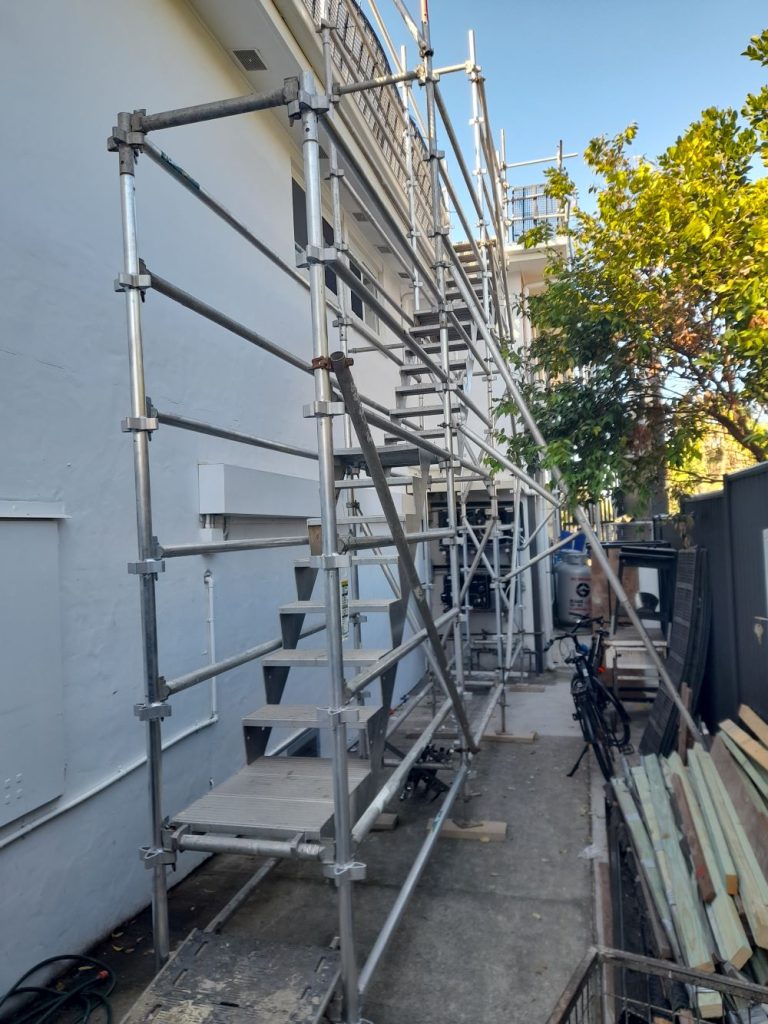
Consider Work Platforms or Extensions for Safer Access to Heights
An additional viable alternative is to employ a work platform or an extension. These solutions are specifically designed to provide a stable surface for working while offering safe access to higher levels. They represent a more secure option than attempting to balance a ladder precariously on scaffolding. Work platforms are robust and certified for use with scaffolding, ensuring your safety while facilitating the efficient and effective completion of tasks at elevated heights, thereby significantly reducing the risk of accidents and injuries.
Final Insights Regarding the Use of Ladders with Scaffolding
So, can you safely place a ladder on scaffolding?
The definitive answer is no! Employing a ladder on scaffolding can lead to structural instability, increased fall risk, and violations of essential safety regulations. The potential consequences simply do not justify the associated risks. Instead, utilise built-in scaffold access methods or opt for safer alternatives, such as work platforms. Always prioritise safety; the last thing you want is to jeopardise your well-being or that of others for the sake of convenience. Adhering to proper guidelines will ensure you remain safe and compliant on the job, preventing accidents and fostering a secure work environment that protects everyone involved.
The Article: Ladder Safety on Scaffolding: What You Need to Know first appeared on https://writebuff.com
The Article Ladder Safety Tips for Scaffolding You Must Know Was Found On https://limitsofstrategy.com
The Article Ladder Safety Tips You Need for Scaffolding Use found first on https://electroquench.com