Elevate Your Emotional Well-Being by Implementing Effective Mood Tracking Techniques in the UK
What Is Mood Tracking and Why Is It Essential for Boosting Mental Health?
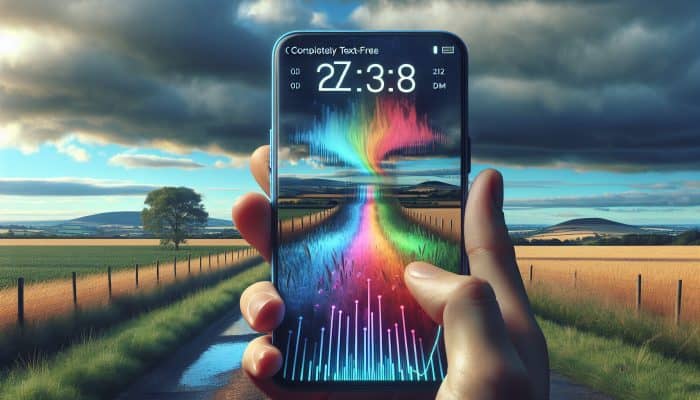
Mood Tracking With Technology refers to the structured observation and documentation of an individual’s emotional states over a specific time period, frequently facilitated by digital applications. This important practice empowers individuals to identify patterns in their moods, ultimately fostering self-awareness and improved mental health management. In the UK, mood tracking has gained significant popularity as an effective method for enhancing emotional well-being. Users can choose from various options for mood tracking, which include:
- Dedicated mobile applications tailored specifically for mood logging
- Diaries or journals that encourage manual entries and self-reflection
- Wearable devices that monitor physiological indicators related to mood
- Online platforms offering mood tracking functionalities
- Social media groups that provide community support and shared experiences
By consistently monitoring and documenting their moods, individuals can gain profound insights into their emotional journeys, potentially leading to substantial improvements in their overall quality of life and well-being.
The Rising Popularity of Digital Solutions for Mood Tracking in the UK
The digital age has revolutionised numerous aspects of daily life, with mood tracking serving as a prime example. Recently, awareness surrounding mental health issues has escalated in the UK, resulting in an increased demand for effective tools aimed at monitoring emotional well-being. The emergence of user-friendly applications has made mood tracking accessible to a broader audience. These applications not only serve as platforms for mood logging but also provide invaluable insights through data analysis and trend identification. A notable trend is the incorporation of mood-tracking features into other health applications, such as fitness trackers and sleep monitors, delivering a comprehensive overview of an individual’s overall health and well-being.
The growth of telehealth and online therapy services has further underscored the necessity for mood-tracking tools, as users seek to supplement professional guidance with personal insights. As mental health increasingly earns recognition as an essential component of overall health in the UK, the transition towards digital mood tracking is expected to continue, with ongoing advancements aimed at enhancing user experience and effectiveness.
The Remarkable Advantages of Mood Tracking for Residents in the UK
Engaging in mood tracking offers a multitude of benefits for UK residents, fundamentally improving mental health management and personal development. One of the most significant advantages is the increase in self-awareness. By identifying patterns and triggers associated with different emotional states, individuals can make informed decisions that positively impact their well-being. For example, someone who identifies a decline in their mood after specific interactions or during certain times of the day can develop strategies to mitigate these negative effects.
Additionally, mood tracking enhances communication with healthcare professionals. Equipped with thorough emotional records, individuals can provide their therapists with concrete data to inform treatment strategies. This collaborative approach often results in more tailored interventions and, ultimately, better mental health outcomes. Furthermore, adopting mood tracking as a daily habit allows residents to cultivate a sense of control and empowerment in their lives, significantly reducing feelings of helplessness frequently associated with mental health challenges.
Comprehensive Analysis of Leading Mood Tracking Applications for UK Users

Discover the Most Effective Mood Tracking Applications Available for Users in the UK
The UK market boasts a diverse assortment of mood-tracking applications customised to various preferences and needs. These apps are designed with an emphasis on user-friendliness and effectiveness, making them ideal for anyone looking to monitor their emotional health. Some standout mood tracking apps available in the UK include:
- Daylio: This micro-diary app allows users to log their moods and activities, providing visual insights into their emotional patterns.
- Moodfit: Offers comprehensive mood tracking alongside tools for mindfulness, goal-setting, and journaling.
- Woebot: An innovative chatbot that provides emotional support through conversation while allowing users to log their moods.
- Sanvello: Combines mood tracking with evidence-based coping strategies and community support.
- MoodTracker: A straightforward app focused on helping users log their moods and identify trends over time.
These applications not only streamline mood tracking but also offer a variety of features that actively enhance mental well-being, making them invaluable resources for users.
How Do Mood Tracking Applications Function?
Mood-tracking applications generally enable users to log their emotional states effortlessly. Users typically have the option to choose from a wide range of emotions, add contextual notes, and specify activities they were engaging in at the time of logging. This recording process is often quick and intuitive, seamlessly fitting into users’ daily routines. For example, many apps employ a user-friendly rating scale from “very happy” to “very sad,” allowing users to capture their emotional state in just seconds.
Within the UK context, these applications also provide additional functionalities, such as generating reports that analyse mood trends over specified periods. These insights empower users to identify correlations between their mood and external factors like weather changes, social interactions, and even dietary habits. Many apps incorporate daily reminders to encourage users to track their moods consistently, reinforcing the habit. Users benefit from tailored feedback and resources based on their mood patterns, creating a supportive and informative experience.
What Feedback Are Users Providing About Their Experiences with Mood Tracking Applications in the UK?

Gaining insights into how individuals in the UK utilise mood-tracking apps is crucial for understanding their effectiveness and practicality. Many users report feeling empowered by their ability to closely monitor their emotions. For example, one user shared how Daylio helped them pinpoint a concerning trend: their mood consistently dropped after lengthy workdays. Armed with this knowledge, they implemented changes, prioritising self-care on particularly stressful days.
However, experiences with these applications are not uniformly positive. Some users express concerns regarding the reliability of mood tracking apps and their potential to induce anxiety, particularly if one becomes overly fixated on daily mood fluctuations. A case study involving a group of app users emphasised the significance of a balanced approach: users who integrated mood tracking into a broader mental health care strategy achieved the most success. Overall, personal testimonies highlight the importance of context and individual circumstances when considering the use of mood tracking apps.
Professional Perspectives on the Role of Technology in Mood Tracking
What Insights Do UK Mental Health Professionals Offer Regarding Mood Tracking?
Mental health professionals in the UK generally view mood-tracking technology as a valuable tool in mental health care. Numerous experts assert that these tools can significantly enhance self-awareness and emotional regulation. Psychologists, for instance, suggest that tracking moods can assist clients in pinpointing emotional triggers, enabling more proactive management of mental health conditions.
Some practitioners, however, advise caution regarding the potential limitations of mood-tracking technology. They recommend that users remain vigilant about becoming overly reliant on digital tools and advocate for integrating mood tracking with traditional therapeutic methods. Real-world examples illustrate the nuanced perspectives of professionals; a clinician noted that while data from mood tracking apps can provide valuable insights, they should not replace clinical assessments or therapeutic discussions. This viewpoint underscores the importance of using mood tracking as a supplementary tool rather than a standalone solution.
How Can Advanced Technology Improve Mood Tracking?
Technology enhances mood tracking in various significant ways. Key features such as reminders, data analysis, and integration with other health applications enhance the user experience. For instance, many mood-tracking apps now offer push notifications to remind users to log their moods at strategic times, ensuring consistent tracking.
Additionally, advanced data analysis features enable users to visualise their mood trends over time, offering deeper insights into their emotional patterns. Integration with fitness and sleep applications further enriches the user experience, providing a holistic view of factors impacting mood. To maximise these benefits, users can take actionable steps, such as establishing daily reminders, exploring different tracking methods within the app, and engaging with community features if available, fostering a sense of connection and support.
What Potential Risks Are Associated with Digital Mood Tracking?
While digital mood tracking offers numerous advantages, it also presents inherent risks that users should contemplate. Privacy concerns take precedence; users may feel apprehensive about how their data is stored and utilised. Mental health experts recommend carefully reviewing app privacy policies and selecting platforms that implement robust data protection measures. Furthermore, constant mood monitoring can lead to heightened anxiety for some individuals, especially if they focus excessively on minute fluctuations in their emotional states.
Experts advocate for users to approach mood tracking with a balanced mindset. It is essential to remember that mood can naturally fluctuate, and tracking should serve as a source of insight rather than a cause of stress. Engaging in periodic breaks from tracking may also help alleviate anxiety. With any tool, a thoughtful approach ensures that the benefits of mood tracking outweigh potential drawbacks.
Integrating Mood Tracking into Everyday Life in the UK
How Can Busy Individuals Effortlessly Incorporate Mood Tracking into Their Daily Routines?
For many UK residents, incorporating mood tracking into a hectic daily schedule can appear overwhelming. However, with a few practical strategies, it can transform into a manageable aspect of life. One effective approach is to designate specific times for mood logging, such as during morning routines or before bedtime, to help users establish a consistent habit.
Another method involves utilising quick logging techniques, such as emoji-based apps or voice notes, which can expedite the recording process without feeling burdensome. Additionally, engaging in group mood tracking—whether with friends or within an online community—can boost motivation and accountability. Other practical tips include:
- Pairing mood tracking with another daily routine, like journaling or meditation.
- Setting reminders on mobile devices to prompt mood logging.
- Selecting apps that enable quick entries to minimise time commitment.
- Integrating mood tracking into existing health goals, such as fitness or sleep monitoring.
These strategies encourage users to view mood tracking as a beneficial self-care practice rather than an additional chore, ultimately fostering emotional well-being.
What Are the Optimal Times for Mood Tracking to Ensure Maximum Benefit?
Understanding when to log moods can significantly enhance the efficacy of this practice. For UK residents, optimal times often align with daily routines and patterns. Many experts suggest logging moods in the morning to set the emotional tone for the day. Morning entries allow individuals to reflect on their waking emotions and plan their day accordingly.
Logging before bedtime can also be advantageous, offering insights into how one’s mood has evolved throughout the day. This practice facilitates reflection and can inform strategies for enhancing mental health the following day. Furthermore, identifying specific events or situations that may trigger mood changes—such as interactions with colleagues or stressful commutes—can further refine the timing of mood tracking for optimal effectiveness.
How Can Users Utilise Mood Data to Encourage Positive Changes in Their Well-Being?
Residents of the UK can leverage the data accumulated from mood tracking to instigate positive changes in their lives. By analysing trends and identifying patterns, individuals can pinpoint situations, activities, or social interactions that contribute to their emotional well-being or detract from it. For example, someone may discover they feel uplifted after engaging in outdoor activities or spending time with specific friends.
Equipped with this knowledge, users can take proactive steps to enhance their well-being, such as scheduling regular outdoor excursions or nurturing relationships that promote positivity. Furthermore, sharing mood data with therapists or mental health professionals can lead to more personalised care strategies, amplifying the benefits of mood tracking. Ultimately, the key lies in translating insights into actionable steps that improve emotional health.
The Role of Wearable Technology in Optimising Mood Tracking in the UK
How Do Wearable Devices Streamline Mood Tracking?
Wearable technology in the UK has emerged as a valuable asset for tracking mood by monitoring physiological indicators associated with emotional states. Devices such as smartwatches and fitness trackers collect data on heart rate, sleep patterns, and physical activity—all of which correlate with mood fluctuations. For instance, an increase in heart rate may indicate stress or anxiety, while poor sleep quality can lead to feelings of irritability or sadness.
The technology behind these wearables often includes sophisticated algorithms that analyse the collected data to provide insights into mood trends over time. Some devices even feature built-in mood tracking applications that allow users to log emotional states alongside physiological data. This comprehensive approach offers a more nuanced understanding of how physical health and emotional well-being are interlinked, thereby enhancing the user experience.
What Are the Benefits of Using Wearable Devices for Mood Tracking?
The advantages of utilising wearables for mood tracking are manifold, particularly for UK users seeking continuous monitoring. One key benefit is the ability to gather data seamlessly without requiring additional effort from the user. This ease of use allows individuals to gain insights into their mood over extended periods, providing a more comprehensive perspective than sporadic manual tracking.
Moreover, wearables deliver real-time feedback, helping users respond to emotional changes as they occur. For example, if a user notices a spike in their heart rate during a stressful meeting, they might practise mindfulness or engage in deep breathing to alleviate anxiety. Additionally, integrating wearable devices with other health applications can create a holistic health profile, enabling users to correlate physical activity, sleep quality, and emotional states for richer insights.
What Limitations Should Users Be Aware of When Using Wearable Mood Tracking?
Despite their numerous advantages, wearable mood-tracking technologies have limitations that UK users should consider. One primary concern is the accuracy of the data collected by these devices. While advancements have improved reliability, factors such as device fit and sensor quality can affect data precision. Users may experience discrepancies between their perceived mood and the device’s reported mood, potentially leading to confusion or frustration.
Another consideration is user comfort. Some individuals may find wearing devices uncomfortable or intrusive, especially if they need to wear them continuously. Users should reflect on their personal preferences when deciding whether to incorporate wearables into their mood-tracking strategies. Ultimately, it is essential to approach wearable mood tracking with a critical eye, ensuring that the technology complements rather than complicates the tracking experience.
Examining the Evidence-Based Benefits of Mood Tracking Technology
What Research Insights Are Emerging from the UK on Mood Tracking?
Recent studies in the UK highlight the multitude of benefits offered by mood-tracking technology, particularly for emotional regulation and mental health outcomes. Research indicates that individuals who consistently track their moods experience heightened emotional awareness, enabling them to identify triggers and develop effective coping strategies. For example, a study among students revealed that those who engaged in regular mood tracking reported lower levels of stress and anxiety during exam periods.
Furthermore, studies have demonstrated that mood tracking can enhance communication between clients and mental health professionals. When clients provide data from tracking apps, therapists can tailor interventions more effectively, resulting in improved treatment outcomes. Overall, the research confirms that mood tracking is a valuable tool for individuals seeking to proactively manage their mental health in collaboration with professionals.
How Can Mood Tracking Positively Influence Mental Health Management?
UK research underscores the notion that mood tracking can significantly improve mental health management. By identifying emotional patterns and triggers, individuals can devise targeted strategies to mitigate negative feelings. For instance, someone who recognises that their mood dips following specific social interactions can take proactive measures to limit exposure to those situations or prepare mentally beforehand.
Moreover, mood tracking fosters accountability. Regularly logging emotional states encourages individuals to actively engage with their feelings and reflect on their experiences. This practice can cultivate a greater sense of control over one’s emotional landscape, aiding users in managing stress and anxiety more effectively. Overall, the research supports the idea that mood tracking is a powerful tool for enhancing mental health when utilised alongside other therapeutic approaches.
Are There Long-Term Benefits to Consistent Mood Tracking?
Longitudinal studies conducted in the UK suggest that ongoing mood tracking can yield sustained improvements in well-being. Participants who engaged in regular tracking reported not only enhanced emotional regulation but also more effective coping mechanisms for stress and anxiety. These benefits become evident as users develop a deeper understanding of their emotional patterns, paving the way for proactive management strategies that promote resilience.
Additionally, the habit of mood tracking can foster greater connectedness between individuals and their mental health. Users who have tracked their moods over extended periods often express heightened awareness of their emotional landscape, leading to long-lasting behavioural changes. By recognising what contributes positively or negatively to their moods, individuals can create supportive environments that enhance their overall quality of life.
Prioritising User Privacy and Data Security in Mood Tracking Applications in the UK
What Security Measures Are Implemented by UK Applications to Protect User Data?
Privacy and data security are paramount concerns for UK users of mood tracking applications. Most reputable applications employ robust data protection measures, including encryption and anonymisation techniques, to safeguard user information. Such measures ensure that personal data remains confidential and secure from unauthorised access. Additionally, many apps provide users with clear privacy policies that outline how their data is collected, stored, and utilised.
Some applications also offer features that allow users to control which data is shared, whether with third-party services or within the app itself. By prioritising transparency and user control, these apps foster trust and confidence, which are essential for encouraging user engagement with mood tracking.
What Are the Legal Obligations for Data Management in Mood Tracking Applications?
In the UK, data management for mood tracking applications is governed by stringent legal requirements, primarily under the General Data Protection Regulation (GDPR). These regulations require apps to obtain explicit user consent before collecting personal data. Moreover, users possess the right to access their data, request corrections, and even demand deletion if they choose to discontinue using the app.
Apps must also establish clear data retention policies that specify how long user data will be stored and under what conditions it may be deleted. Compliance with GDPR not only protects users but also enhances the credibility and trustworthiness of mood tracking applications in the UK market.
How Can Users Secure Their Data While Using Mood Tracking Applications?
UK users can take several practical steps to safeguard their data when using mood-tracking applications. First, users should thoroughly review the privacy policies of any app they consider, scrutinising details on data protection measures and user rights. Additionally, adjusting app settings to limit data sharing with third-party services can enhance privacy.
It is advisable to utilise apps that offer two-factor authentication or biometric login options, adding an extra layer of security. Regularly updating passwords and being cautious about sharing sensitive information can further protect user data. By remaining informed and proactive, users can effectively safeguard their emotional health data.
What Happens to User Data If an Application Is No Longer Operational?
When a mood-tracking application ceases operations, the fate of user data can vary significantly depending on the app’s data retention policies. Reputable applications typically provide clear guidelines regarding data retention and deletion, ensuring that users are informed about the fate of their data. Many apps automatically delete user data after a specified period of inactivity, while others may offer users the option to download or transfer their data before discontinuation.
In the event of an app shutdown, users should receive advance notice, allowing them to take necessary actions regarding their data. The importance of transparency in these processes cannot be overstated, as it directly affects user trust and confidence in mood-tracking technologies.
How Do Third-Party Services Impact Data Security in Mood Tracking Applications?
The integration of third-party services into mood-tracking applications can significantly affect user data security. While such integrations often enhance functionality, they can also introduce potential risks if not managed appropriately. Users should exercise caution when authorising third-party access to their data, as it may lead to unintentional exposure of sensitive information.
Moreover, users must verify the security practices of third-party services employed with mood-tracking applications. Ensuring that these services adhere to stringent data protection measures is essential for maintaining user privacy. Users should regularly review the permissions granted to third-party services and adjust them as necessary to protect their emotional health information.
The Future of Mood Tracking Technology in the UK
What Innovations Can We Anticipate in Mood Tracking Technology?
The future of mood-tracking technology in the UK holds exciting innovations, driven by advancements in artificial intelligence and data analytics. These technologies have the potential to improve the accuracy and effectiveness of mood-tracking applications, yielding more meaningful insights for users. For instance, AI algorithms may analyse large datasets to identify patterns that individual users might overlook, offering personalised recommendations to enhance mental well-being.
Furthermore, wearable devices are likely to evolve, incorporating more advanced sensors that can capture a broader range of physiological indicators related to mood. As integration between mental health applications and platforms becomes more sophisticated, users can expect seamless experiences that provide comprehensive insights into their emotional health. The potential incorporation of gamification in mood tracking—where users earn rewards for consistent tracking—could further encourage engagement and participation.
How Will These Innovations Enhance the User Experience?
As innovations in mood tracking technology emerge, users in the UK can anticipate a more personalised and interactive experience. Enhanced AI capabilities may allow applications to provide predictive insights, alerting users to potential mood shifts before they occur. This proactive approach empowers individuals to take preventive measures, ultimately nurturing better emotional health.
Moreover, integrating mood tracking with other health-related metrics—such as sleep quality and physical activity—can provide a holistic view of well-being. As technology continues to advance, users can expect greater accessibility to mental health resources and support, further reinforcing the importance of emotional well-being in overall health.
What Challenges Remain for Mood Tracking Technology?
Despite the promising future of mood tracking technology, several challenges persist. One significant hurdle is ensuring user adoption and engagement. As the market becomes saturated with applications, distinguishing themselves and demonstrating unique value will be crucial for developers. Additionally, educating users about the benefits and practical applications of mood tracking will play a vital role in overcoming scepticism.
Another challenge involves addressing privacy concerns. As technology evolves, maintaining user trust in data security will be paramount. Developers must prioritise transparency and robust security measures to ensure users feel comfortable engaging with mood-tracking technologies. By tackling these challenges, the mood-tracking landscape can better meet the needs of UK residents.
How Can the UK Lead in the Development of Mood Tracking Technology?
The UK has the potential to position itself as a leader in the development and application of mood tracking technology through strategic initiatives. Government support for mental health technology startups can foster innovation and provide essential funding for promising projects. Collaborations between technology companies and mental health professionals can facilitate the development of effective solutions that address real user needs.
Additionally, raising public awareness about the benefits of mood tracking can encourage wider adoption and engagement with these technologies. By promoting mental health as a critical aspect of overall well-being, the UK can set a precedent for integrating mood tracking into mainstream health practices. Ultimately, a collaborative approach that combines innovation, education, and support can position the UK as a frontrunner in mood tracking.
The Transformative Impact of Mood Tracking on Mental Health in the UK
Understanding the Current Landscape of Mood Tracking
The landscape of mood tracking technology in the UK is evolving rapidly, with increasing adoption and recognition of its potential benefits. As more individuals embrace digital tools for monitoring their emotional health, the understanding of mental well-being is becoming increasingly nuanced. The proliferation of apps and wearables has made mood tracking accessible, empowering users to take charge of their emotional landscapes.
The effectiveness of these technologies is evident through the positive outcomes reported by users, many of whom have achieved greater self-awareness and improved management of their mental health. As conversations surrounding mental health continue to gain momentum in the UK, mood tracking will likely remain a key component of this evolving landscape.
The Growth Potential of Mood Tracking Solutions
The potential for growth in the UK mood-tracking technology sector is substantial, driven by increased public awareness of mental health issues and demand for innovative solutions. The development of new applications and features can cater to a diverse array of user needs, ensuring that mood tracking remains relevant and effective.
As technology continues to advance, user demand will likely drive further innovations, creating opportunities for developers to craft tools that resonate with individuals from various backgrounds. By leveraging insights from user experiences, developers can refine their offerings and enhance user engagement, paving the way for a brighter future in mood tracking technologies.
Strategies for Promoting Broader Adoption of Mood Tracking
To encourage wider adoption of mood tracking technology among UK residents, several strategies can be employed. Public health campaigns highlighting the benefits of mood tracking can play a crucial role in raising awareness and reducing stigma. Collaborations with mental health organisations to promote these tools can also build credibility and trust.
Additionally, ensuring that applications are user-friendly and accessible will be essential for fostering engagement. Offering features that address specific demographics, such as young adults or working professionals, can further enhance appeal. By prioritising user experience and promoting the positive impact of mood tracking, the UK can pave the way for a healthier relationship with mental health.
Frequently Asked Questions (FAQs) About Mood Tracking
What is mood tracking?
Mood tracking involves systematically monitoring and recording emotional states over time, often using digital tools to identify patterns and enhance mental well-being.
How can I effectively track my mood?
To track your mood effectively, establish a routine for logging, use user-friendly applications, and reflect on patterns to inform your emotional management strategies.
Are there risks associated with mood tracking?
Yes, potential risks include privacy concerns, over-reliance on tracking, and increased anxiety from focusing too much on daily mood fluctuations.
What benefits does mood tracking offer?
Benefits include heightened self-awareness, improved communication with mental health professionals, and proactive management of emotional states.
Which applications are regarded as the best for mood tracking in the UK?
Top mood-tracking applications in the UK include Daylio, Moodfit, Woebot, Sanvello, and MoodTracker, each offering unique features and user experiences.
How does wearable technology facilitate mood tracking?
Wearables monitor physiological indicators like heart rate and sleep patterns, offering insights into emotional states and enabling ongoing tracking.
What should I consider when selecting a mood tracking app?
Consider data security, user interface, integration with other health applications, and the specific features that align with your needs.
In what ways can mood tracking enhance my mental health?
Mood tracking can improve mental health by helping identify triggers, fostering accountability, and encouraging proactive emotional management strategies.
Are mood tracking data secure?
Reputable mood tracking applications typically employ robust data protection measures, including encryption and anonymisation, to safeguard user information.
What happens to my data if an app I use is discontinued?
When an app is discontinued, user data is generally subject to the app’s data retention policies, with options for users to download or delete their information.
Connect with us on Facebook!
The Article Tracking Mood With Technology: A UK Guide Was First Published On https://acupuncture-frome.co.uk
The Article Tracking Mood With Technology: Your Essential UK Guide Was Found On https://limitsofstrategy.com
The Article Tracking Mood With Technology: A Key Guide for the UK found first on https://electroquench.com