Explore the Life-Changing Benefits of Art Therapy for Mental Health in the UK
What Essential Aspects Define Art Therapy?
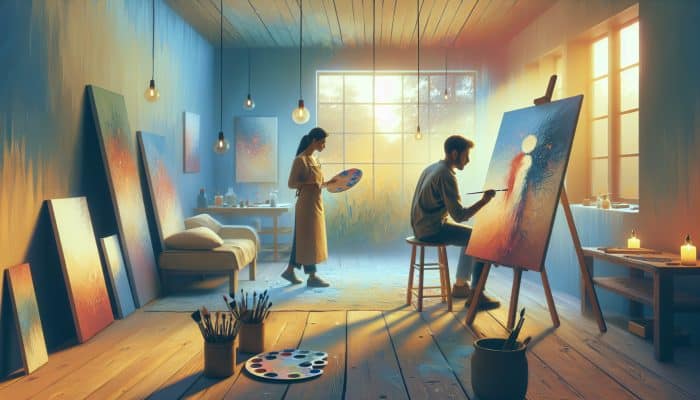
Art therapy represents an innovative approach to psychotherapy, leveraging the creative process of artistic expression to enhance mental health and overall well-being. Delivered by professional practitioners across the UK, this unique therapeutic modality weaves together creativity and emotional healing. Clients are encouraged to explore various artistic mediums—such as painting, drawing, and sculpting—to engage with their emotions in ways that traditional verbal communication often struggles to achieve. This expressive journey not only aids individuals in articulating their feelings but also fosters a deeper understanding of their life experiences, leading to significant relief from emotional distress.
Within the extensive array of mental health services available in the UK, art therapy is distinguished as a powerful intervention for addressing a wide range of emotional difficulties, including anxiety, depression, trauma, and stress. One of its most notable benefits is its accessibility; participants do not need to have prior artistic skills or talent. The focus is on the creative process rather than the final artistic product, allowing for genuine emotional expression and profound self-exploration.
The Historical Development of Art Therapy in the UK: A Comprehensive Overview
The roots of art therapy in the UK can be traced back to the mid-20th century, a period during which the discipline has undergone substantial advancements in both training and practical application. The therapeutic potential of artistic expression began to gain recognition in the 1940s and 1950s, primarily thanks to pioneering figures like Adrian Hill and Edward Adamson, who highlighted the healing power of creativity. By establishing structured frameworks for practice and advocating for the integration of art therapy into mental health services, these early leaders laid a strong foundation for future developments in the field.
A pivotal moment in the evolution of art therapy occurred with the formation of the British Association of Art Therapists (BAAT) in 1964. This organisation has been instrumental in standardising training and practice across the profession. Over the years, the BAAT has tirelessly promoted the significance of art therapy and maintained high standards of practice. Today, art therapy is recognised as an essential element of mental health care in the UK, marked by ongoing improvements in education and increasing acceptance within the healthcare system.
Who Benefits Most from Engaging in Art Therapy?
Art therapy is an incredibly versatile therapeutic approach that caters to individuals of all ages, including children, adults, and seniors. Its non-verbal nature is particularly beneficial for those who may struggle with traditional talk therapies or have experienced trauma. In educational settings, art therapy serves as a vital resource for children grappling with anxiety, bullying, or familial issues, providing them with a safe outlet for emotional expression.
Additionally, art therapy is widely employed in hospitals and community centres, addressing the needs of individuals facing various mental health obstacles, chronic illnesses, or those undergoing physical rehabilitation. This therapeutic approach enables clients to visually communicate their feelings and experiences, cultivating an environment conducive to healing. The adaptability of art therapy solidifies its status as an invaluable resource across multiple contexts.
What Qualifications Must Art Therapists Hold in the UK?
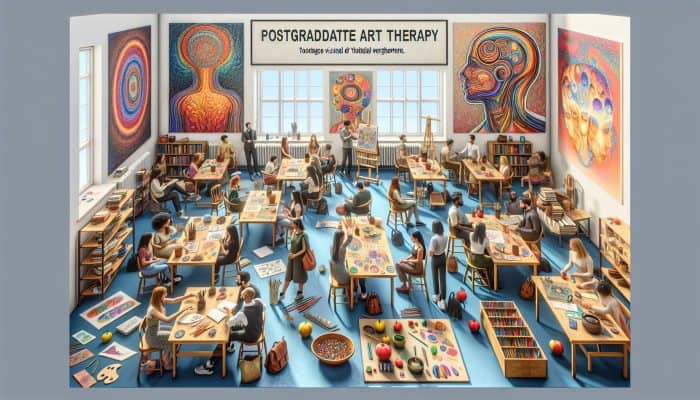
To pursue a career as an art therapist in the UK, individuals must follow a comprehensive training pathway that equips them with vital skills and knowledge. Aspiring art therapists typically need to obtain a postgraduate degree in art therapy, which encompasses both theoretical frameworks and practical experience. These programmes cover psychological theories, artistic methodologies, and critical ethical considerations relevant to therapeutic practice.
After obtaining the necessary qualifications, art therapists must register with the Health and Care Professions Council (HCPC) to ensure adherence to professional standards and guidelines. Continuous professional development is essential; art therapists are encouraged to engage in workshops, seminars, and ongoing education to stay informed about the latest research and practices in the field. This commitment to lifelong learning highlights the profession’s dedication to delivering exceptional therapeutic care.
Deepening Insights into Art Therapy’s Role in Emotional Expression
What Techniques Are Widely Used in Art Therapy Across the UK?
Art therapy employs a diverse range of techniques aimed at facilitating emotional expression through creative means. Commonly utilised methods include drawing, painting, sculpting, collage-making, and even digital art. Each technique offers unique opportunities for self-discovery and emotional release, enabling clients to interact with their feelings in tangible ways. For example, drawing or painting can empower individuals to articulate complex emotions that may otherwise remain unexpressed.
Art therapists in the UK regularly adapt their approaches to suit the specific needs and preferences of their clients. Through a collaborative process, clients may experiment with various materials, such as pastels and clay, which can elicit different emotional responses. This hands-on methodology not only supports emotional expression but also strengthens the therapeutic relationship between the therapist and the client. Techniques may encompass:
- Drawing and painting
- Sculpting with clay
- Collage work using mixed media
- Photography as a narrative medium
- Creative journaling for personal reflection
- Utilising art to explore dreams and memories
- Group art projects to foster community
- Digital art and virtual platforms for enhanced accessibility
The inherent flexibility of these techniques allows for rich, varied experiences during art therapy sessions, making the therapeutic journey both engaging and transformative for participants.
How is Art Therapy Incorporated into the UK Healthcare Framework?
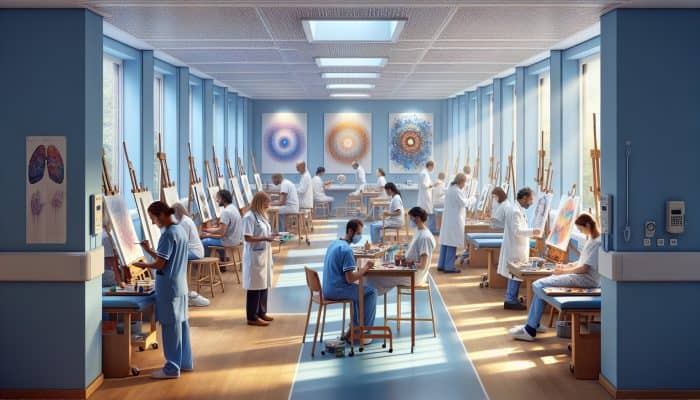
The incorporation of art therapy into healthcare settings in the UK requires a thoughtful approach that promotes collaboration between art therapists and healthcare professionals. Healthcare providers can facilitate this integration by recognising the significant value of art therapy in patient care, especially within mental health, rehabilitation, and palliative care contexts. Key actionable steps for effective integration include:
- Establishing multidisciplinary teams that consist of art therapists, psychologists, and medical practitioners.
- Securing funding through grants, NHS budgets, or private sponsorship to support art therapy initiatives.
- Conducting workshops and presentations to inform healthcare staff about the benefits of art therapy.
- Creating referral pathways for patients to access art therapy as a vital part of their treatment plans.
By fostering collaboration within the healthcare system, art therapy can be seamlessly integrated into comprehensive treatment strategies, ultimately enhancing patient well-being and supporting recovery. Promoting art therapy within healthcare not only encourages emotional expression but also enriches the therapeutic landscape, ensuring that patients receive holistic care that addresses their mental, emotional, and physical health needs.
What Credentials Should Art Therapists in the UK Have?
In the UK, the qualifications required for art therapists are carefully designed to uphold the profession’s integrity and effectiveness. Most art therapists hold a master’s degree in art therapy, which includes both theoretical knowledge and practical skills. This rigorous training ensures that practitioners are well-prepared to navigate their clients’ emotional complexities effectively.
Training programmes typically incorporate modules covering psychological theory, art therapy techniques, ethics, and supervised clinical practice. Trainees engage in reflective practices, gaining insights into their therapeutic approach while learning to navigate clients’ emotional landscapes. Beyond academic qualifications, art therapists must also register with the Health and Care Professions Council (HCPC) and adhere to strict professional standards. This registration necessitates a commitment to ongoing professional development, which is crucial in a field that constantly evolves and adapts.
This combination of extensive educational foundations and regulatory oversight empowers UK art therapists to provide high-quality care that effectively addresses their clients’ diverse needs.
Comprehending the Practice of Art Therapy in the UK
What Steps Are Involved in the Therapeutic Process of Art Therapy?
The therapeutic process in art therapy is both structured and flexible, designed to create a safe and supportive environment for clients to explore their emotions. Initially, clients are encouraged to partake in a variety of artistic activities without the pressure of attaining a ‘perfect’ result. This creative freedom allows them to express themselves authentically, uncovering thoughts and feelings that might be difficult to articulate verbally.
Following the creative process, an essential phase of reflection and dialogue takes place between the client and therapist. This discussion is crucial, as it enables clients to interpret their artwork and gain deeper insights into their emotional landscape. The therapist’s role is to facilitate this exploration, guiding clients to understand the connections between their creative expression and emotional experiences. Consequently, the therapeutic process transforms into a rewarding journey of self-discovery, with art serving as a powerful medium for emotional expression and healing.
Art therapy sessions can vary in duration and frequency, tailored to each client’s unique needs. This process encourages emotional exploration while fostering a sense of safety and trust, thereby establishing a foundation for profound therapeutic growth and healing.
How Does Art Therapy Empower Individuals to Express Their Emotions?
Art therapy is particularly effective in enabling individuals to articulate complex emotions that may be hard to convey through conventional language. Many individuals, especially those who have faced trauma or are struggling with intense feelings of anxiety or depression, find comfort in visual expression. This therapeutic approach provides a non-judgmental environment for individuals to creatively explore their emotions, assisting them in processing their experiences in a supportive context.
By engaging with a variety of artistic media, clients can visually articulate their feelings, thoughts, and experiences. This act of creation can lead to catharsis—a release of pent-up emotions—facilitating healing and reflection. Moreover, the process of creating art often reveals subconscious thoughts and feelings, allowing individuals to confront and better understand their emotional triggers. Through engagement with art, clients can bridge the gap between their internal experiences and external expression, nurturing clarity and emotional resilience.
Furthermore, art therapy is designed to accommodate individuals with varying levels of artistic ability, making it accessible to everyone. Whether through spontaneous doodling or more structured artistic techniques, the emphasis remains on the creative process rather than the final product, empowering clients to embrace their unique forms of expression and creativity.
What Is the Therapist’s Role in Art Therapy?
The therapist in art therapy plays a multifaceted role, serving not only as a guide in the creative process but also as a supportive presence for clients navigating their emotional landscapes. They create an environment where clients feel safe and validated, encouraging them to explore their thoughts and feelings without fear of judgement. This nurturing atmosphere is essential, as it fosters trust and openness—key components for effective therapy.
As clients immerse themselves in their art, therapists observe and engage, prompting reflection and discussion regarding the artwork. They assist clients in interpreting the significance of their creations, drawing connections to the emotions or experiences being examined. This process can unveil patterns in behaviour, emotional responses, and personal insights, contributing to the client’s understanding of themselves and their emotional journey.
Moreover, therapists are trained to identify when a client may require additional support or intervention, particularly if the artwork reveals deeper emotional issues. In such cases, they can adapt the therapeutic approach accordingly, ensuring that clients receive appropriate care. Thus, the therapist’s role is vital in facilitating emotional exploration and providing a nurturing space for healing through creativity and artistic expression.
How Is Art Therapy Integrated Within the UK Healthcare Framework?
Art therapy has been embraced within both NHS and private healthcare settings throughout the UK, where it is utilised to enhance patient well-being and support various treatment plans. The integration of art therapy into the healthcare system is approached with strategic intent, ensuring that it complements traditional medical practices.
Art therapy proves particularly beneficial in mental health care, rehabilitation, and palliative care settings, providing patients with an alternative method to cope with their circumstances. The integration of art therapy can begin with raising awareness among healthcare professionals about its advantages. This may involve training sessions, workshops, and sharing success stories from both practitioners and patients to highlight its transformative potential.
In practice, art therapy is frequently included in multidisciplinary treatment plans, where healthcare providers appreciate the importance of addressing emotional and psychological needs alongside physical health. Patients can be referred to art therapy as part of their overall care strategy, offering a holistic approach that recognises the interplay between mind and body. Funding for art therapy services can be sourced from various avenues, including NHS budgets and charitable organisations, ensuring that these essential services remain accessible to those in need.
By integrating art therapy into the healthcare landscape, the UK is progressing towards a more comprehensive patient care model that values emotional expression and creative healing alongside conventional medical interventions.
Assessing the Implementation of Art Therapy Across the UK
Integrating Art Therapy into Educational Institutions in the UK
In recent years, art therapy has gained traction within UK schools as an effective means of supporting students’ emotional and psychological development. Recognising that children often find it challenging to verbalise their feelings, educators and mental health professionals have increasingly turned to art therapy to address issues such as anxiety, trauma, and behavioural challenges.
Art therapy sessions in educational contexts provide students with a safe space to explore their emotions, allowing them to creatively express their feelings. This approach not only promotes emotional regulation but also fosters resilience, ultimately enhancing students’ overall well-being. The skills developed during art therapy sessions can translate into improved behaviour, heightened focus, and enhanced social interactions, cultivating a more positive and supportive school environment.
In practice, schools often collaborate with trained art therapists to implement tailored programmes. These initiatives may include individual sessions, group workshops, or classroom-based activities where students engage with art materials and explore themes such as friendship, loss, or identity. The adaptability of art therapy allows it to meet the unique needs of each student, making it an invaluable resource in educational contexts.
Highlighting the Significance of Art Therapy in UK Hospitals
Art therapy holds a crucial role in UK hospitals, where it supports patients grappling with illness, injury, or mental health challenges. The therapeutic benefits of engaging with art significantly enhance a patient’s overall well-being, helping them manage the emotional repercussions of their condition.
Within hospital settings, art therapy serves multiple functions. For patients undergoing treatment, creating art provides a welcome distraction from their circumstances, offering a sense of normalcy and control. Moreover, engaging in artistic activities can facilitate emotional processing related to their health, thereby enhancing their emotional resilience during difficult times.
Art therapy in hospitals typically involves individual sessions or group workshops led by trained art therapists who guide patients through the creative process. Patients are encouraged to utilise a variety of materials—from paints to clay—to express their feelings about their experiences. This creative outlet fosters a sense of achievement and self-worth, often leading to increased motivation to engage in their treatment plans. The integration of art therapy into hospital programmes underscores the importance of addressing not only physical health but also emotional well-being for comprehensive patient care.
Community-Focused Art Therapy Initiatives Across the UK
Community centres throughout the UK increasingly recognise the value of art therapy in supporting individuals and groups within their local populations. These programmes are designed to foster resilience, promote social connections, and enhance community well-being through artistic engagement. By participating in art therapy, individuals can explore their emotions, share experiences, and cultivate a sense of belonging within their communities.
Community-focused art therapy initiatives often cater to a range of groups, including children, adults, and seniors. Workshops may centre on specific themes such as grief, trauma recovery, or social inclusion, encouraging participants to creatively express their thoughts and feelings. The collaborative nature of these sessions fosters social connections, alleviating feelings of isolation and loneliness, which are prevalent in many communities.
In addition to facilitating emotional expression, community art therapy programmes often act as catalysts for personal development. Participants may discover hidden talents, acquire new skills, or even pursue further education in the arts. By investing in community-based art therapy, local organisations can create a supportive environment that promotes mental health, social engagement, and personal growth.
Evidence-Based Benefits of Art Therapy for Emotional Expression
What Do Recent Research Findings Indicate About the Efficacy of Art Therapy?
Research conducted in the UK has consistently demonstrated that art therapy can lead to significant improvements in emotional well-being. Numerous studies indicate its effectiveness in alleviating symptoms of anxiety, depression, and trauma. Participants often report heightened emotional resilience and enhanced coping strategies following their engagement in art therapy.
Meta-analyses and systematic reviews suggest that art therapy proves particularly advantageous for individuals dealing with trauma and PTSD. The creative process allows individuals to articulate complex emotions that may be difficult to express verbally, thereby fostering healing and recovery. Mental health professionals endorse this therapeutic approach, recognising its transformative potential across various clinical settings.
Furthermore, integrating art therapy into treatment plans has demonstrated enhancements in overall therapeutic outcomes. Patients who engage in art therapy alongside traditional therapies frequently experience more meaningful improvements in their emotional health, underscoring its importance as a complementary treatment modality.
How Does Art Therapy Impact Mental Health Outcomes?
Art therapy has been shown to exert a profound influence on mental health, particularly in reducing stress levels, enhancing mood, and fostering self-awareness. Through creative expression, individuals can explore their emotions and gain insights into their behaviours and thought patterns. This process can lead to improved emotional regulation and greater resilience when faced with life’s challenges.
Research indicates that art therapy is particularly effective for individuals struggling with conditions such as PTSD, depression, and anxiety disorders. The non-verbal nature of art therapy provides a unique opportunity for individuals to process their emotions without the limitations of language. Many clients discover that engaging with art allows them to confront their feelings in a safe and supportive environment, resulting in breakthroughs in their therapeutic journeys.
Additionally, art therapy has been associated with increased self-esteem and a stronger sense of identity. As individuals create and reflect on their artwork, they often experience a boost in confidence, recognising their ability to express themselves and communicate their emotions effectively. This newfound sense of self-worth can significantly enhance overall mental health and quality of life.
What Long-Lasting Benefits Can Participants Anticipate from Art Therapy?
The long-term advantages of participating in art therapy can be considerable, resulting in sustained improvements in mental health and emotional well-being. Regular engagement in art therapy can strengthen emotional resilience, equipping individuals with effective coping strategies to manage stress and adversity.
One of the primary long-term benefits of art therapy is the development of self-awareness. As clients engage in the creative process, they often uncover deeper insights into their motivations, fears, and desires. This increased self-awareness can lead to lasting changes in behaviour, relationships, and overall quality of life.
Moreover, individuals who consistently participate in art therapy frequently report enhanced emotional regulation skills. They learn to identify and articulate their feelings more effectively, leading to fewer instances of emotional dysregulation. Consequently, clients can navigate challenges more easily and confidently, fostering long-term improvements in their mental health and overall well-being.
Highlighting the Core Benefits of Art Therapy in the UK
Facilitating Emotional Regulation Through Creative Expression
Art therapy provides a distinctive pathway for individuals to effectively manage and express their emotions. By engaging in creative activities, clients can explore feelings that may be overwhelming or challenging to articulate verbally. This process encourages emotional regulation, allowing individuals to channel their emotions into artistic expression, ultimately leading to a more balanced emotional state.
For those experiencing emotional dysregulation, art therapy offers a safe outlet for expression. The act of creating art can serve as a form of self-soothing, helping individuals calm their minds and bodies during distressing moments. Furthermore, the non-judgmental environment fostered in art therapy cultivates a sense of safety, encouraging clients to delve into their feelings without fear of criticism or reprisal.
As individuals develop their artistic skills, they gain a sense of control over their emotions. This newfound ability to articulate feelings through art can translate into improved communication in various areas of life, fostering healthier relationships and more constructive coping mechanisms.
Enhancing Self-Esteem and Confidence Through Creative Endeavours
Participation in art therapy can significantly bolster self-esteem and confidence levels. Throughout the creative journey, clients produce tangible representations of their emotions, nurturing a sense of accomplishment and pride. This act of creation often elicits positive feedback from therapists, reinforcing the individual’s sense of worth and capability.
Art therapy also promotes self-expression, empowering individuals to embrace their unique perspectives and artistic styles. As clients refine their skills and witness their progress, they frequently experience heightened self-confidence, recognising their ability to creatively communicate their feelings and experiences. This increase in self-esteem can create a positive ripple effect, influencing various aspects of their lives, including personal relationships and professional aspirations.
Moreover, the collaborative nature of certain art therapy programmes fosters a sense of community and belonging, further enhancing self-esteem. Participants can share their work, support one another, and celebrate each other’s successes, reinforcing the idea that everyone possesses intrinsic value and something meaningful to contribute.
Encouraging Creativity and Problem-Solving Skills
Art therapy nurtures creativity while simultaneously enhancing problem-solving skills. The creative process encourages participants to think outside the box, explore new ideas, and experiment with various materials and techniques. This freedom to create fosters innovative thinking, which can translate into greater adaptability and resourcefulness in everyday life.
By engaging in art therapy, individuals learn to approach challenges with a creative mindset. This skill is particularly advantageous in both personal and professional contexts, where effective problem-solving abilities are essential. The capacity to view situations from multiple perspectives and consider alternative solutions can lead to more effective decision-making and improved outcomes.
Furthermore, the reflective aspect of art therapy encourages individuals to evaluate their creative choices and contemplate the implications behind their artistic decisions. This process promotes critical thinking and self-reflection, equipping clients with valuable skills that extend beyond the realm of art and into their daily lives.
Strategic Approaches for Maximising the Benefits of Art Therapy in Emotional Expression
What Techniques Can Art Therapists Use to Enhance Their Sessions?
Art therapists in the UK employ a wide array of techniques to optimise the effectiveness of their sessions and create a nurturing atmosphere for emotional expression. Some reliable strategies include:
- Establishing clear therapeutic goals at the onset of treatment.
- Utilising open-ended prompts to inspire creative exploration.
- Fostering a safe and non-judgmental environment for self-expression.
- Incorporating a variety of art materials to stimulate creativity.
- Encouraging reflection and discussion regarding the client’s artwork.
- Being attuned to the client’s emotional responses throughout the therapeutic process.
- Adapting techniques based on the individual needs and preferences of the client.
- Incorporating mindfulness practices within sessions to enhance focus and presence.
By implementing these techniques, art therapists can cultivate a dynamic and engaging therapeutic experience that encourages emotional exploration and growth. The adaptability of these strategies allows therapists to tailor their approach to each client, ensuring that the therapeutic process remains pertinent and beneficial.
How Can Clients Actively Participate in Art Therapy?
Clients can maximise the benefits of art therapy by actively engaging in their therapeutic journey. Here are some actionable steps for effective involvement:
- Setting personal goals for what they wish to achieve through art therapy.
- Remaining open to the creative process, allowing emotions to surface naturally.
- Reflecting on their artwork and discussing feelings with the therapist.
- Practising artistic activities outside of sessions to reinforce skills and insights.
- Embracing the idea of imperfection and focusing on the process rather than the outcome.
- Utilising art as a daily practice to enhance emotional regulation.
- Participating in group sessions to share experiences and learn from peers.
- Maintaining a commitment to the therapeutic process by attending sessions regularly.
By following these steps, clients can deepen their engagement in art therapy, facilitating meaningful emotional expression and personal growth throughout their journey.
What Best Practices Should Be Followed in Art Therapy Sessions?
Adhering to best practices in art therapy sessions is crucial for establishing a safe and effective therapeutic environment. Some key best practices include:
- Maintaining confidentiality to foster trust between the therapist and client.
- Ensuring a non-judgmental atmosphere where clients feel comfortable expressing themselves.
- Tailoring each session to meet the unique needs and preferences of the client.
- Utilising various materials and techniques to keep sessions engaging and dynamic.
- Encouraging clients to reflect on their experiences and emotions throughout the creative process.
- Providing constructive feedback while focusing on the client’s self-expression and creativity.
- Being attuned to the client’s emotional state and adjusting the pace and content of sessions as necessary.
- Promoting a collaborative approach that involves clients in the therapeutic process.
By adhering to these best practices, art therapists can cultivate an environment that supports emotional exploration and healing, empowering clients to embark on transformative journeys through creativity.
How Does Art Therapy Facilitate Emotional Healing?
Art therapy serves as a powerful medium for emotional healing, enabling individuals to process their feelings and experiences through creative expression. The therapeutic relationship established between the client and therapist provides a safe space for exploration, allowing clients to confront emotions that may have been suppressed or overlooked.
Through the act of creating art, clients can externalise their internal struggles, making it easier to reflect on and comprehend their emotions. This process often leads to catharsis—a release of pent-up feelings—and can facilitate profound insights into the client’s emotional landscape. For many, art becomes a language of its own, transcending words and allowing individuals to articulate their experiences and emotions in ways they may not have previously imagined.
Additionally, art therapy encourages self-reflection, enabling clients to gain awareness of their emotional triggers and patterns. By exploring these insights with guidance from the therapist, individuals can work towards healing and growth, ultimately fostering greater emotional resilience and overall well-being.
What Role Does Art Therapy Play in Emotional Regulation?
Art therapy plays a significant role in helping clients manage and regulate their emotions by providing a safe outlet for expression. For individuals experiencing emotional dysregulation, the creative process offers a structured method to explore feelings that may feel overwhelming or challenging to articulate verbally.
Engaging with art allows clients to channel their emotions into a tangible form, helping to alleviate anxiety and promote a sense of calm. This act of creation can serve as a coping mechanism, guiding individuals to navigate challenging emotions constructively. Furthermore, the process of making art promotes mindfulness, allowing clients to concentrate on the present moment and their experiences without judgement.
As individuals learn to express their emotions through art, they often develop greater self-awareness and insight into their feelings. This newfound understanding can lead to improved emotional regulation, empowering clients to respond to emotional triggers with increased resilience and adaptability. By nurturing these skills, art therapy not only aids in immediate emotional expression but also equips individuals with the necessary tools for long-term emotional well-being.
Case Studies Showcasing the Effectiveness of Art Therapy in the UK
Highlighting Transformative Success Stories from Art Therapy Programs in the UK
Throughout the UK, numerous art therapy programmes have achieved remarkable success in transforming individuals’ lives. One notable example involves a community art therapy initiative designed to support adults facing mental health challenges. Participants engaged in weekly sessions where they created art, shared their experiences, and reflected on their feelings. Over several months, many reported significant improvements in their emotional well-being, with noticeable reductions in symptoms of anxiety and depression.
Another inspiring success story stems from a school-based art therapy programme that assists children experiencing trauma or behavioural issues. Through creative activities, students were able to express their feelings in a safe environment, leading to improved emotional regulation and enhanced classroom behaviour. Teachers observed a marked decrease in disruptive behaviour incidents, contributing to a more positive learning atmosphere.
These success stories exemplify how art therapy can instigate lasting positive change, empowering individuals to overcome challenges and achieve emotional healing. As awareness of art therapy continues to expand, more programmes are being developed to facilitate similar transformations across the UK.
How Has Art Therapy Benefited Children in the UK?
Art therapy has played a crucial role in supporting children in the UK who face a range of emotional difficulties. A striking case involved a group of children who had experienced significant trauma due to family upheaval. Through a tailored art therapy programme, these children were provided with a safe space to express their feelings. As they engaged in creative activities, therapists observed notable improvements in their emotional expression and self-esteem.
Another example originates from a school where art therapy was implemented to help students cope with anxiety and bullying. The art therapist employed various techniques, such as drawing and group projects, to foster communication and build trust among peers. Over time, students expressed feeling more confident and equipped to handle social challenges, resulting in improved relationships and academic performance.
These case studies illustrate the profound impact that art therapy can have on children, enabling them to process their emotions, build resilience, and develop essential life skills. As more schools and community organisations acknowledge the benefits of art therapy, its reach is likely to continue expanding, providing crucial support to children throughout the UK.
What Role Does Art Therapy Play in Mental Health Recovery in the UK?
Art therapy has emerged as a cornerstone of mental health recovery programmes across the UK, providing vital support for individuals on their healing journeys. One notable case highlighted a mental health organisation that integrated art therapy into its recovery services for adults dealing with severe anxiety and depression. Participants engaged in creative activities that facilitated emotional expression and exploration of their experiences. Over time, many individuals reported a significant reduction in symptoms and an increased sense of empowerment.
Another compelling example comes from a rehabilitation centre where art therapy was employed to assist individuals recovering from addiction. Through creative expression, clients were able to articulate their struggles and reflect on their journeys. The art therapist guided them through the process, fostering self-awareness and promoting healthier coping mechanisms. Consequently, many participants experienced enhanced social skills, improved emotional regulation, and a renewed sense of hope for their futures.
These case studies underscore the critical role that art therapy plays in mental health recovery throughout the UK, emphasising its effectiveness in promoting healing and resilience for individuals confronting substantial emotional challenges.
The Future of Art Therapy in the UK
What Trends Are Shaping the Future of Art Therapy in the UK?
The landscape of art therapy in the UK is evolving, shaped by several key trends that are defining the profession’s future. One significant trend is the increasing integration of art therapy into primary healthcare settings. As awareness of mental health’s importance continues to grow, healthcare providers are recognising the value of creative therapies as complementary treatments for various conditions.
Additionally, there is a heightened focus on preventive mental health strategies, with art therapy being introduced in schools and community settings to support emotional well-being at an early stage. This proactive approach aims to equip individuals with the tools necessary to navigate life’s challenges before they escalate into more significant mental health issues.
Another noteworthy trend is the utilisation of digital art tools and online platforms for therapy sessions. The COVID-19 pandemic accelerated the adoption of teletherapy, allowing art therapists to reach clients who may have previously faced barriers to access. This shift has opened new avenues for creative expression, enabling individuals to engage in art therapy from the comfort of their homes.
These trends signal a promising future for art therapy in the UK, with potential for expanded access, increased recognition, and a more integrated approach to mental health care.
How Is Technology Influencing Art Therapy Practices?
Technology is increasingly impacting the field of art therapy, reshaping how therapists and clients connect and engage in the therapeutic process. The emergence of digital platforms has made art therapy more accessible, allowing practitioners to conduct sessions virtually. This development has proven especially beneficial for clients who may struggle to access traditional therapy due to geographic or mobility constraints.
Moreover, the use of digital art tools has expanded the creative possibilities within therapy sessions. Clients can explore various media, from digital drawing applications to online collage-making tools, offering diverse avenues for self-expression. This integration of technology facilitates a broader range of artistic exploration, catering to different preferences and interests.
Additionally, numerous online resources and communities have emerged, providing support and inspiration for individuals engaging in art therapy. From instructional videos to virtual workshops, technology has created a wealth of information that clients can utilise to enhance their creative journeys. As the field continues to evolve, the synergy between technology and art therapy will likely expand, offering innovative solutions for emotional expression and healing.
What Opportunities Exist for Advancing Art Therapy in the UK?
The future of art therapy in the UK presents numerous opportunities for growth and expansion. One significant opportunity lies in developing art therapy services within schools and educational institutions, where the demand for mental health support is increasingly recognised. By integrating art therapy into school curricula, educators can provide essential resources for students facing emotional challenges, fostering resilience and well-being from an early age.
Additionally, there is an opportunity to raise public awareness about the benefits of art therapy, particularly through community outreach programmes. By engaging with local organisations, art therapists can advocate for the importance of creative expression as a vital component of mental health care. This increased visibility can lead to greater funding and resources for art therapy initiatives.
Another promising avenue involves exploring collaborative partnerships between art therapists and other healthcare professionals. By working together to develop comprehensive treatment plans, art therapists can contribute to a holistic approach to mental health care, ensuring that emotional well-being is prioritised alongside physical health.
As the field continues to evolve, art therapy in the UK is well-positioned to embrace these opportunities, paving the way for innovative practices and enhanced support for individuals seeking emotional healing through creativity.
Frequently Asked Questions Regarding Art Therapy
What is the definition of art therapy?
Art therapy is a form of psychotherapy that utilises creative processes to help individuals express their emotions and improve their mental health. It is facilitated by trained professionals who guide clients through various artistic activities.
Who stands to benefit from art therapy?
Art therapy is beneficial for individuals of all ages, including children, adults, and seniors. It is particularly effective for those facing emotional challenges, trauma, or mental health issues.
How does art therapy differ from other therapeutic approaches?
Art therapy emphasises creative expression as a means of exploring emotions, whereas traditional therapies often rely on verbal communication. This non-verbal approach can be especially advantageous for those who find it difficult to articulate their feelings.
What qualifications should art therapists in the UK possess?
In the UK, art therapists typically hold a master’s degree in art therapy and are registered with the Health and Care Professions Council (HCPC). Ongoing professional development is also a requirement.
How does the process of art therapy work?
Art therapy involves creating art in a secure environment, followed by reflection and discussion with the therapist. This process allows clients to explore their emotions and gain insights into their experiences.
What techniques are commonly used in art therapy?
Popular techniques in art therapy include drawing, painting, sculpting, and collage-making. These methods facilitate emotional expression and enable clients to engage creatively with their feelings.
How is art therapy integrated into healthcare systems?
Art therapy is integrated into healthcare through multidisciplinary teams where art therapists collaborate with medical professionals. It is utilised in mental health, rehabilitation, and palliative care settings to support patient well-being.
What long-term benefits can be expected from art therapy?
Long-term benefits of art therapy include enhanced emotional resilience, increased self-awareness, and the development of effective coping skills. Regular participation can lead to lasting positive changes in mental health.
How can clients engage effectively with art therapy?
Clients can engage effectively by setting personal goals, remaining open to the creative process, and reflecting on their artwork. Consistent participation enhances the therapeutic experience and outcomes.
What role does art therapy play in emotional regulation?
Art therapy assists clients in managing and regulating their emotions by providing a safe outlet for expression and facilitating the exploration of emotional triggers. This process fosters emotional resilience and overall well-being.
Connect with us on Facebook!
The Article Art Therapy for Emotional Expression: A UK Guide Was First Published On https://acupuncture-frome.co.uk
The Article Art Therapy for Emotional Expression in the UK Was Found On https://limitsofstrategy.com
The Article Art Therapy for Emotional Expression in the UK: Unlocking Healing found first on https://electroquench.com