Deepen Your Knowledge of Diabetes Blood Testing
What Is Involved in a Diabetes Blood Test?
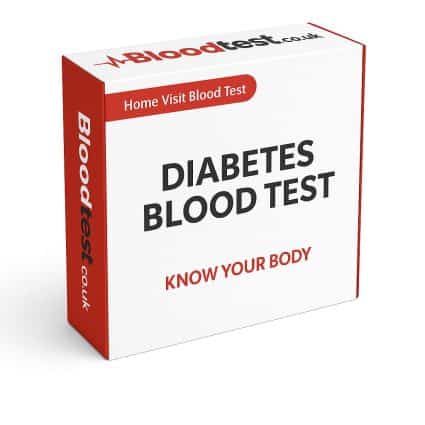
Private Diabetes Blood Test in Peterborough: A diabetes blood test serves as a crucial diagnostic instrument that evaluates your blood sugar levels, which is essential for diagnosing or monitoring diabetes. This test plays a vital role in condition management, offering critical insights into the efficiency of your body’s regulation of blood glucose levels. Elevated blood sugar levels can result in serious health complications if left unmanaged, thus making these tests indispensable for early detection and ongoing health management.

Regular monitoring of blood sugar levels allows healthcare professionals to evaluate the effectiveness of treatment plans and make necessary modifications. These tests are also essential for identifying prediabetes, a condition characterised by elevated blood glucose levels that do not yet meet the criteria for diabetes.
Recognising the importance of these tests is crucial, especially in areas like Peterborough, where local healthcare services provide timely diagnosis and management. Typically, these tests occur in various settings, including general practitioner (GP) offices and specialised diabetes clinics, ensuring accessibility for all patients.
What Different Types of Diabetes Blood Tests Are Available?
There are many blood tests available for diabetes, each focusing on specific aspects of diabetes management. The most commonly conducted tests include:
- Fasting Blood Sugar Test: This test measures blood sugar levels after an overnight fast and is critical for diagnosing both diabetes and prediabetes.
- HbA1c Test: This test reflects average blood glucose levels over the past two to three months, making it vital for assessing long-term glucose control.
- Oral Glucose Tolerance Test (OGTT): This procedure includes fasting overnight, consuming a sugary solution, and monitoring blood glucose levels at intervals to evaluate the body’s glucose processing.
- Random Blood Sugar Test: This test measures blood sugar at any time, regardless of food intake, providing a quick overview of your glucose status.
Each of these tests is crucial for diagnosing diabetes, tracking its progression, and assessing the effectiveness of treatment strategies. Your healthcare provider will determine the most suitable test based on your health history and individual risk factors.
How Often Should You Get Tested for Diabetes?
The frequency of blood tests for diabetes varies significantly based on individual health circumstances. If you are at risk of diabetes or have received a diagnosis, your healthcare provider may recommend more frequent testing to closely monitor your condition. For those actively managing diabetes, consistent testing is essential to ensure ongoing monitoring of blood sugar levels.
Typically, individuals diagnosed with diabetes should have their HbA1c levels assessed every three to six months. Additionally, fasting blood sugar tests may be advised at various intervals based on clinical judgment. Routine testing is crucial for making necessary adjustments to treatment plans and ensuring optimal health outcomes. Your healthcare provider will tailor your testing schedule to meet your specific needs, considering factors such as age, overall health, and diabetes management objectives.
Real-Life Experiences with Diabetes Blood Testing in Peterborough
What Feedback Do Local Residents Provide About Testing Services?
Residents of Peterborough have shared valuable insights regarding diabetes blood tests, frequently praising the convenience and accessibility provided by local healthcare services. Many commend the efficiency and professionalism of healthcare providers in the region, which has significantly contributed to early diagnosis and proactive diabetes management.
Testing facilities in the area include:
- Peterborough City Hospital
- Central Health Clinic
- East Midlands Diabetes Centre
- Your local GP surgery
Patients report that scheduling appointments is straightforward, with many opting for online booking systems that streamline the process. Furthermore, the availability of diabetes educators in these facilities empowers individuals to take charge of their health, nurturing a supportive community dedicated to effective diabetes management.
Such testimonials underscore the significance of local healthcare resources and their considerable impact on the lives of those living with diabetes. This community-driven approach not only facilitates efficient testing but also fosters a culture of awareness and education surrounding diabetes care.
What Are the Major Advantages of Regular Diabetes Testing?
Regular testing is indispensable for the effective management of diabetes. Consistent monitoring of blood sugar levels enables individuals to prevent complications associated with poorly controlled diabetes, which may include cardiovascular diseases, nerve damage, and kidney issues.
Moreover, regular testing allows for timely modifications to treatment plans, ensuring that medication dosages or lifestyle adjustments correlate with current health needs. Early identification of abnormal blood sugar levels facilitates proactive interventions, significantly lowering the risk of severe health problems.
Establishing a testing routine promotes personal accountability and motivates individuals to maintain healthy lifestyle choices. It empowers patients with the essential knowledge needed to make informed decisions about their health, ultimately enhancing their quality of life.
In summary, the benefits of regular blood testing go beyond mere monitoring; they are integral to a comprehensive approach to diabetes management.
What Steps Should You Take to Prepare for a Diabetes Blood Test?
Preparation for a blood test for diabetes is critical as it significantly influences the accuracy of the results. Understanding the necessary steps to take before your test can greatly help ensure that you receive reliable data to inform your diabetes management. Here are some actionable pre-test preparation guidelines:
- Fast as instructed: For fasting blood tests, refrain from consuming anything other than water for at least 8 hours before the test.
- Consult your doctor: Discuss your current medications and any recent health changes with your healthcare provider.
- Avoid intense physical activity: Engaging in vigorous exercise right before the test can temporarily affect blood sugar levels.
- Stay hydrated: Drink plenty of water before your test, as this can improve blood flow during sample collection.
By following these recommendations, you can help ensure that your blood test results accurately reflect your health status, enabling your healthcare provider to make well-informed decisions regarding your diabetes management. Taking an active role in the preparation process is essential for optimising your testing outcomes.
How Can You Interpret Your Diabetes Test Results Effectively?
Understanding your diabetes blood test results is crucial for managing your condition effectively. Different values indicate various health statuses, and comprehending their implications can assist you in taking appropriate actions. Key result thresholds include:
- Normal Fasting Blood Sugar: Less than 5.6 mmol/L
- Prediabetes: Between 5.6 and 6.9 mmol/L
- Diabetes: 7.0 mmol/L or higher, which may require confirmation with two separate tests
- Normal HbA1c: Below 42 mmol/mol (6.0%)
- Prediabetes HbA1c: 42 to 47 mmol/mol (6.0% to 6.4%)
- Diabetes HbA1c: 48 mmol/mol (6.5%) or higher
Effectively interpreting these results is vital for managing diabetes. If your results indicate elevated blood sugar levels or a high HbA1c, consult your doctor promptly for guidance on creating or adjusting your treatment plan. Understanding these readings empowers you to engage in proactive health management, allowing for lifestyle changes that can lead to improved overall health outcomes.
Where Can You Find Support and Resources for Diabetes in Peterborough?
In Peterborough, a broad array of support groups, educational resources, and healthcare professionals are dedicated to assisting residents in effectively managing diabetes. Identifying the right support can significantly enhance your journey in diabetes management. Key support locations and resources include:
- Diabetes UK Peterborough Group
- Local NHS diabetes clinics
- Peterborough Diabetes Support Centre
- Educational workshops at community health centres
These organisations frequently host events, support meetings, and educational sessions aimed at equipping individuals with the knowledge and skills necessary for effective diabetes management. Additionally, local healthcare professionals are available for consultations, providing personalised care tailored to individual needs. Engaging with these resources fosters a supportive environment and deepens your understanding of diabetes, resulting in improved health outcomes.
Where to Access Diabetes Blood Testing Services in Peterborough?
What NHS Services Are Available for Diabetes Testing?
NHS services in Peterborough offer comprehensive diabetes testing and management, ensuring that residents can access essential healthcare services. These services are specifically designed to facilitate timely and effective testing, with facilities equipped to perform a diverse range of diabetes-related assessments.
Local NHS testing locations include Peterborough City Hospital and various GP surgeries, where trained healthcare professionals conduct blood tests and provide follow-up consultations. Patients can expect a thorough approach, often including discussions on lifestyle factors and treatment options following their tests.
Accessing these services is generally straightforward, with many facilities allowing for online booking. The NHS’s commitment to rigorous diabetes management ensures that residents can obtain necessary tests without significant delays, promoting early detection and continuous care.
Which Private Clinics Offer Diabetes Blood Tests?
For individuals seeking quicker or more personalised diabetes testing services, several private clinics in Peterborough provide an alternative to NHS services. These clinics typically offer a range of testing options, including rapid result turnaround and tailored consultations with diabetes specialists.
Private services often appeal to those who prefer a more flexible approach, as many clinics provide easy online booking and extended hours. Facilities such as the East Midlands Diabetes Centre are renowned for their dedicated staff and comprehensive diabetes management strategies, delivering a high level of customer service.
While private testing incurs a fee, many patients find the investment worthwhile for the convenience and personalised care it provides. Being aware of the options available in Peterborough can help individuals make informed decisions that align with their health needs and preferences.
How Can You Book a Diabetes Blood Test in Peterborough?
Arranging a diabetes blood test in Peterborough can be accomplished through multiple channels, offering residents various options. Patients can schedule appointments online, via phone, or in person at healthcare facilities.
For NHS services, individuals can visit the official NHS website to book an appointment with their GP or locate the nearest testing facility. Many GP surgeries also feature online portals that enable patients to book appointments directly.
In private clinics, the majority have user-friendly websites where prospective patients can select their desired tests and conveniently schedule appointments. Clear instructions regarding what to expect during the visit, along with any necessary pre-test preparations, are typically provided at the time of booking. This flexibility in booking processes ensures that Peterborough residents can conveniently access the testing services they require to manage their diabetes effectively.
Expert Insights on Diabetes Blood Testing in Peterborough
How to Interpret Your Test Results Effectively?
Understanding your diabetes blood test results is fundamental for effective management. Experts in Peterborough advise patients to adopt a proactive approach when interpreting their results, recognising that these figures provide insights into their health status.
For instance, elevated blood sugar levels may indicate inadequately controlled diabetes, while well-managed HbA1c levels can signify effective adherence to treatment. It is crucial to communicate openly with healthcare providers regarding what these figures mean in the context of your overall health and lifestyle.
Seeking support from diabetes educators in Peterborough can also provide additional clarity. These professionals can assist in interpreting test results and developing actionable strategies to enhance blood sugar control or modify medication as necessary. Understanding the implications of your test results enables informed decision-making and the formulation of tailored management plans that reflect your unique health journey.
What Actions Should You Take After Receiving Your Results?
Upon receiving your blood test results for diabetes, it is essential to discuss them with your healthcare provider to determine your next steps in managing your condition. Depending on the outcomes, adjustments to your treatment plan may be necessary, including changes to medication, diet, or exercise routines.
If your results indicate elevated blood sugar levels, your healthcare provider may recommend further testing or alternative management strategies to help you regain control. Conversely, if your results fall within the normal range, this presents an opportunity to reinforce successful habits and maintain regular monitoring.
Documenting your results and any recommendations from your healthcare provider can facilitate ongoing dialogue at future appointments. Taking an active role in this process empowers you to take ownership of your diabetes management and make informed decisions that lead to better health outcomes.
How to Successfully Manage Diabetes Following Your Test?
Successful diabetes management after testing involves implementing lifestyle changes, adjusting medication, and ensuring regular follow-ups with healthcare professionals. After reviewing your blood test results, it is essential to consider expert recommendations to optimise your health.
If your results indicate a need for lifestyle adjustments, focus on adopting a balanced diet rich in whole foods while minimising sugar intake. Incorporating regular physical activity can also improve blood sugar control and enhance overall wellbeing.
For individuals on medication, adhering to your healthcare provider’s instructions regarding dosage and timing is crucial. Regular follow-ups are vital, allowing healthcare professionals to monitor your progress and make necessary adjustments. Building a support network within the community, such as participating in local diabetes support groups, can provide additional motivation and accountability.
Ultimately, managing diabetes is a continuous journey, and implementing these strategies enables you to remain proactive in maintaining your health.
Understanding the Costs and Accessibility of Diabetes Blood Testing in Peterborough
Are Diabetes Blood Tests Available Free of Charge Through the NHS?
Blood tests for diabetes are generally provided free of charge through the NHS when prescribed by a healthcare professional. As long as the test is deemed necessary for diagnosis or management, residents can access these services at no cost. This accessibility is crucial for promoting early detection and ongoing management of diabetes within the community.
To access these services, patients usually need to consult their GP, who can arrange the required tests. It is important to note that while the tests themselves are free, any follow-up consultations or treatments may incur charges, depending on the specific services rendered.
NHS services are dedicated to ensuring that all residents receive the necessary care, making it essential for individuals to utilise the available resources.
What Are the Costs for Private Diabetes Blood Tests?
Private diabetes blood tests in Peterborough can vary in cost, depending on the clinic and the specific test being conducted. Generally, prices for private tests range from £50 to £200, influenced by factors such as the complexity of the test and any additional services offered during the consultation.
Many private clinics provide package deals that include comprehensive assessments and follow-up consultations, making them an appealing option for those seeking personalised care. When considering private testing, it is advisable to compare prices and services among clinics to ensure you select the best option for your needs.
Being aware of the potential costs associated with private testing can assist individuals in making informed decisions regarding their diabetes management strategy.
How Accessible Are Diabetes Testing Services in Peterborough?
The availability of diabetes testing services in Peterborough varies, but significant efforts are being made to ensure that everyone can conveniently and affordably access testing. NHS facilities are strategically located throughout the city, with numerous GP practices and clinics offering testing services, thereby simplifying access for residents in need of necessary care.
Moreover, private clinics have emerged to complement NHS services, providing additional options for those who may require quicker or more tailored testing. The rise of telehealth services has also improved accessibility, allowing individuals to consult with healthcare professionals remotely, thereby reducing barriers to care.
Despite existing challenges, such as wait times in NHS settings, the commitment to enhancing accessibility to diabetes testing remains strong. Local health authorities consistently strive to upgrade services, ensuring that Peterborough residents receive the care they need in a timely and supportive manner.
Community Support and Resources for Diabetes Management in Peterborough
What Local Diabetes Support Groups Are Available?
Peterborough is home to several support groups for individuals living with diabetes, fostering a sense of community and shared experiences. These groups serve as platforms for members to exchange advice, share personal stories, and offer encouragement, cultivating a supportive network.
Participants often find that connecting with others who understand their challenges alleviates feelings of isolation. These support groups usually meet regularly and provide workshops, guest speakers, and discussions on various topics related to diabetes management and care. Exploring local support options can greatly enhance an individual’s approach to managing their condition.
Joining a support group can also equip newcomers with valuable resources, including information on local healthcare services and educational materials that empower individuals to take control of their health.
What Educational Workshops Focus on Diabetes Management?
Educational workshops in Peterborough offer invaluable insights into managing diabetes, covering essential topics such as nutrition, exercise, and medication adherence. These workshops frequently feature expert speakers, including endocrinologists and dietitians, who share their knowledge on effective strategies for managing diabetes.
Participants can learn about the latest research, practical skills, and lifestyle changes that can improve their overall health. Workshops also foster an interactive atmosphere, allowing attendees to ask questions and engage with professionals on a personal level.
By attending these sessions, individuals not only gain knowledge but also build a sense of community with others facing similar challenges. Local health authorities and diabetes organisations often promote these workshops, ensuring that residents can access vital educational resources that support lifelong learning in diabetes management.
What Educational Resources Are Available for Diabetes Education in Peterborough?
A wealth of resources in Peterborough, including libraries and online platforms, offer educational materials on diabetes management and prevention. Local libraries frequently house books and pamphlets on diabetes, providing accessible information to help readers understand and manage the condition.
In addition to physical resources, various online platforms feature webinars, articles, and forums dedicated to diabetes education. Websites such as Diabetes UK offer a comprehensive array of information on managing diabetes, including nutritional advice, exercise tips, and mental health support.
Moreover, engaging with healthcare providers allows individuals to receive tailored educational materials aligned with their specific needs and treatment plans. This abundance of resources ensures that Peterborough residents have access to comprehensive information, empowering them to take control of their diabetes management.
How Can You Consult Diabetes Specialists in Peterborough?
Residents of Peterborough can consult with diabetes specialists at local clinics and hospitals for personalised care and treatment plans. These specialists often include endocrinologists, diabetes educators, and dietitians who collaborate to provide comprehensive management strategies tailored to individual needs.
Accessing a diabetes specialist is essential for individuals requiring advanced care or those who struggle to manage their diabetes effectively. Regular consultations with these professionals facilitate in-depth discussions regarding treatment options, lifestyle modifications, and ongoing health status monitoring.
The collaborative approach taken by diabetes specialists in Peterborough aims to empower individuals to take an active role in managing their condition. By fostering strong doctor-patient relationships and offering evidence-based recommendations, these specialists assist residents in achieving optimal health outcomes.
Commonly Asked Questions About Diabetes Blood Testing
What Is a Diabetes Blood Test?
A blood test for diabetes assesses blood sugar levels to diagnose or monitor the condition. It plays a pivotal role in effective diabetes management.
How Often Should I Get a Blood Test for Diabetes?
The frequency of testing varies based on your health status. If diagnosed with diabetes, it is often recommended every three to six months.
Where Can I Access a Blood Test for Diabetes in Peterborough?
You can obtain a test at NHS facilities, such as hospitals and GP surgeries, or choose private clinics that offer expedited services.
Are Diabetes Blood Tests Free on the NHS?
Yes, diabetes blood tests are typically free on the NHS if prescribed by a healthcare professional.
What Is an HbA1c Test?
An HbA1c test measures average blood glucose levels over the past two to three months, which is essential for monitoring diabetes management.
What Should I Do After Receiving My Test Results?
Discuss your results with your healthcare provider to plan your next steps in effectively managing your diabetes.
What Do High Blood Sugar Levels Indicate?
High blood sugar levels may signify poorly controlled diabetes, necessitating immediate consultation with your healthcare provider.
How Can I Prepare for a Blood Test for Diabetes?
Preparation may involve fasting, avoiding intense exercise, and consulting your doctor about any current medications before the test.
What Are Diabetes Support Groups?
Diabetes support groups are community gatherings where individuals share their experiences and receive encouragement on managing diabetes.
Are There Educational Resources Available for Diabetes Management?
Yes, Peterborough offers a range of educational resources, including workshops, online platforms, and local library materials to support effective diabetes management.

Connect with Us on Facebook!

This Article Was First Found On https://bloodtest.co.uk
The Article Diabetes Blood Test Guide for Peterborough Residents Was Found On https://limitsofstrategy.com
The Article Diabetes Blood Test Insights for Peterborough Locals was first found on https://electroquench.com