As experienced optometrists, we often receive questions about whether nutritional supplements can genuinely improve eye health or alleviate chronic symptoms. For various eye-related conditions, proper nutrition plays a crucial supportive role. One area with substantial research backing is dry eye disease, where nutrition and targeted supplementation can provide significant benefits.

Numerous clinical studies consistently indicate that a wholesome diet, combined with specific supplements, can enhance tear quality, reduce inflammation, and promote lasting comfort in the eyes. This compelling evidence highlights the importance of incorporating supplements into a comprehensive strategy for effectively addressing dry eye symptoms.
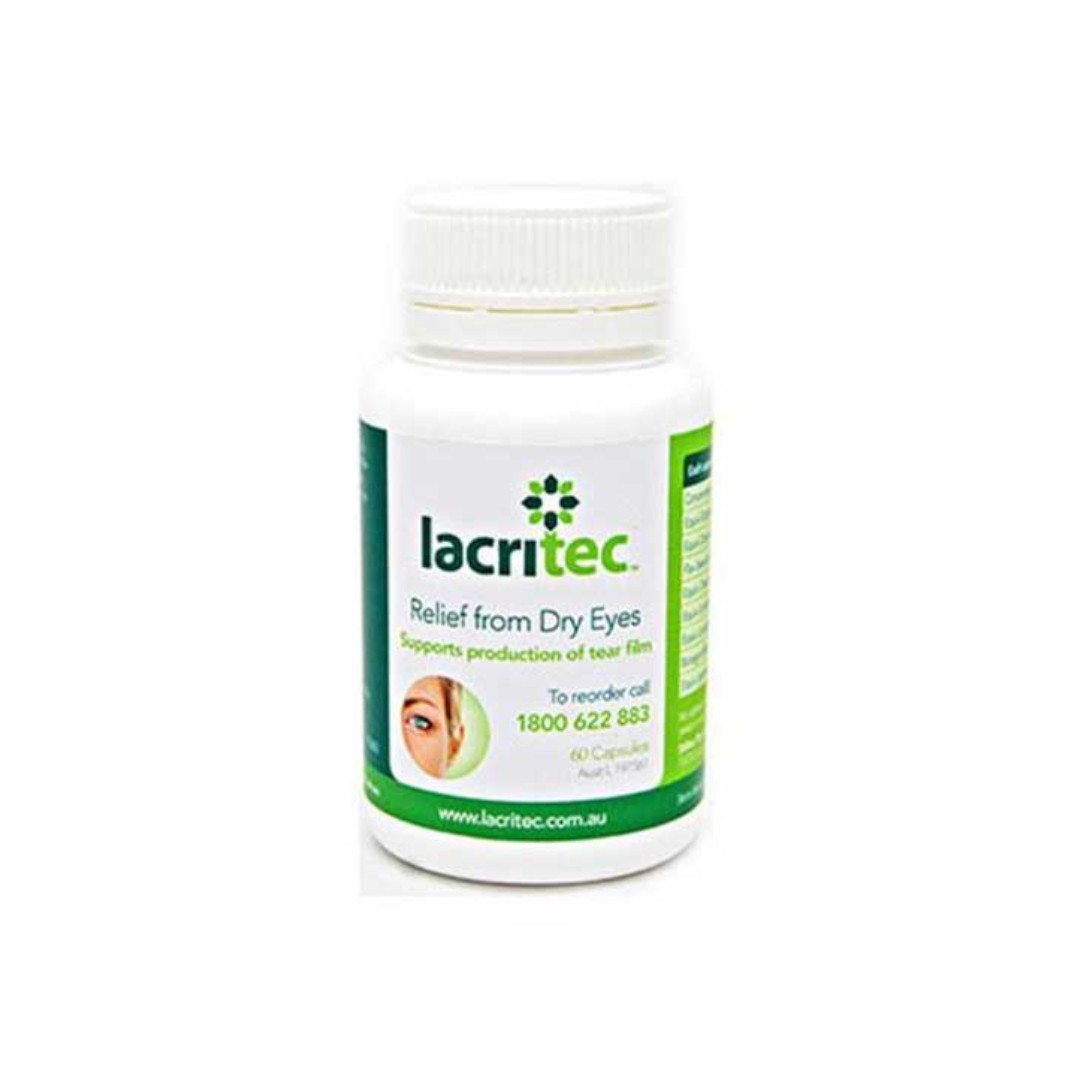
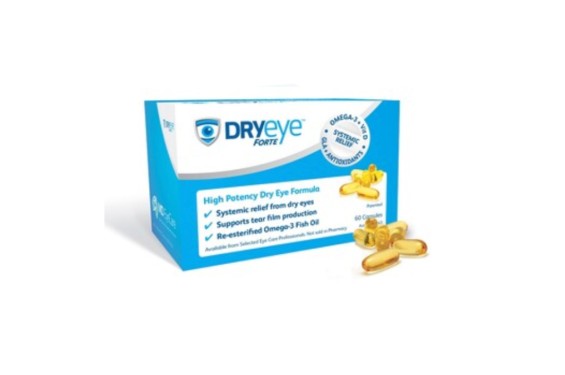
Two commonly utilised supplements in this regard are Lacritec and DRYeye Forte. Both products aim to relieve dry eye symptoms; however, they differ significantly in their formulations, strength, and the effectiveness of their ingredients within the body.
This comparative analysis clarifies these distinctions, empowering you to make an informed decision regarding your approach to managing dry eye symptoms.
Detailed Ingredient Analysis for Lacritec and DRYeye Forte
Essential Ingredients in DRYeye Forte
- 667 mg re-esterified omega-3 triglycerides per capsule
- 240 mg EPA
- 160 mg DHA
- 455 mg borage oil providing 100 mg GLA
- Vitamin D3 200 IU
- Natural vitamin E 40 IU
Noteworthy Ingredients in Lacritec
- 332 mg omega-3 triglycerides per capsule
- 134 mg EPA
- 66.8 mg DHA
- 334 mg flaxseed oil
- Provides 192 mg ALA
- 434 mg borage oil delivering 95.5 mg GLA
- No vitamin D3
- No vitamin E
Recognising the Significance of Different Omega-3 Fatty Acids
While both supplements contain omega-3 fatty acids, it is crucial to understand that not all omega-3s operate similarly within the body.
Lacritec includes flaxseed oil, which provides ALA. Although ALA is recognised as an omega-3 fatty acid, the human body only converts a small percentage of ALA into the more essential forms needed to alleviate dry eye symptoms, particularly EPA and DHA. Research suggests that the conversion rates of ALA to EPA range between 8–12 percent, with most ALA being utilised as an energy source rather than for eye health.
In contrast, DRYeye Forte supplies EPA and DHA directly, using higher concentrations in a re-esterified format. This advanced manufacturing method improves both absorption and bioavailability, ensuring that a greater proportion of the active ingredients successfully reaches the tissues where they are most needed.
When assessing the effective levels of EPA and DHA:
- Three capsules of DRYeye Forte deliver a significantly greater amount of EPA and DHA compared to three capsules of Lacritec.
- To achieve the EPA and DHA content found in three capsules of DRYeye Forte, one would need to take around six Lacritec capsules.
Both supplements recommend starting with three capsules daily during the treatment phase, making this difference clinically relevant for users seeking effective relief.
Evaluating the Quality and Sourcing of Fish Oil in Supplements
Both Lacritec and DRYeye Forte are manufactured in Australia and utilise premium fish oils derived from small, cold-water fish such as sardines and anchovies sourced from Peru. Smaller fish generally accumulate fewer toxins, making them a safer choice for supplementation. Both oils undergo stringent purification and deodorisation processes to eliminate impurities and minimise any unpleasant fishy aftertaste.
DRYeye Forte incorporates re-esterified triglyceride fish oil, which has shown superior absorption when compared to traditional ethyl ester forms. This innovation not only enhances consistency but also reduces gastrointestinal discomfort for many users, making it a preferred choice.
Investigating the Effects of Vitamin D and Vitamin E on Eye Health Improvement
A major distinction between the two supplements is that DRYeye Forte contains both vitamin D3 and natural vitamin E in its formulation, which can significantly enhance eye health.
Examining the Positive Effects of Vitamin D3 on Eye Health
Research reveals a strong correlation between low vitamin D levels and dry eye symptoms. Studies indicate that vitamin D may:
- Reduce ocular inflammation
- Improve tear stability
- Assist in the healing of the ocular surface
- Alleviate light sensitivity and overall ocular discomfort
The Multiple Advantages of Vitamin E
Vitamin E plays a vital dual role. It not only provides antioxidant and anti-inflammatory benefits but also protects omega-3 fatty acids from oxidative damage. Long-term fish oil supplementation may increase the body’s need for vitamin E, making its inclusion essential for maintaining balance and optimising omega-3 metabolism.
In contrast, Lacritec does not contain either vitamin D3 or vitamin E, which could limit its overall effectiveness in promoting eye health.
Evaluating the Safety and Tolerability of Omega-3 Supplements
Both supplements are generally well tolerated when taken according to the recommended dosage.
Possible side effects from either product may include mild gastrointestinal disturbances such as reflux, bloating, or loose stools. These effects typically depend on the dosage and can vary among individuals.
Individuals taking anticoagulant medications or those with bleeding disorders should consult a healthcare professional prior to beginning either supplement.
Due to the presence of vitamin D3 in DRYeye Forte, those with hypercalcemia, kidney disease, or conditions influenced by vitamin D should seek medical advice before use. In such cases, Lacritec may be a more suitable choice because it does not contain vitamin D.
As with any supplements, it is advisable to consult a healthcare provider if you are pregnant, breastfeeding, or managing chronic health conditions.
Choosing the Most Appropriate Supplement for Your Dry Eye Management
For the majority of individuals experiencing moderate to severe dry eye disease, DRYeye Forte offers more comprehensive and targeted support. This can be attributed to:
- Higher concentrations of effective EPA and DHA
- Improved absorption through re-esterified fish oil
- Inclusion of vitamin D3 and vitamin E, which help control inflammation and support tear production
Lacritec may still be suitable for those with very mild symptoms or for individuals who cannot tolerate vitamin D supplementation.

Essential Insights and Recommendations for Effective Dry Eye Management
Both supplements can positively influence the management of dry eye symptoms; however, they are not interchangeable.
DRYeye Forte offers higher therapeutic doses of the most effective omega-3 fatty acids, along with additional nutrients that assist in managing inflammation, improving tear quality, and supporting the health of the ocular surface. Many patients find they experience more effective symptom relief with fewer capsules required daily.
Ultimately, the most suitable supplement is one that seamlessly integrates into a personalised dry eye treatment strategy. If you are unsure which product best suits your needs, we recommend consulting your optometrist or healthcare provider for tailored advice.
Lacritec vs DRYeye Forte Frequently Asked Questions
Which supplement provides better dry eye relief: Lacritec or DRYeye Forte?
For the vast majority of individuals experiencing moderate to severe dry eye symptoms, DRYeye Forte stands out as the more effective choice. It contains elevated levels of EPA and DHA, the active omega-3s known to reduce inflammation and improve tear quality, along with vitamin D3 and vitamin E for additional support. Lacritec may still offer advantages in milder cases or when vitamin D supplementation is not recommended.
What are the key differences between Lacritec and DRYeye Forte?
The principal distinction lies in their formulations and potency. DRYeye Forte features highly bioavailable re-esterified fish oils that provide clinically relevant doses of EPA and DHA, supplemented by vitamin D3 and natural vitamin E. On the other hand, Lacritec utilises flaxseed oil, which supplies ALA — an omega-3 source that is less effective and has limited conversion into EPA and DHA.
How many Lacritec capsules are needed to match the EPA/DHA dosage found in DRYeye Forte?
To achieve equivalent levels of EPA and DHA contained in three capsules of DRYeye Forte, one would need to consume approximately six Lacritec capsules. This requirement arises from Lacritec’s lower omega-3 concentration and its reliance on ALA, which only partially converts into the more bioactive forms necessary for the body.
Is it safe to use DRYeye Forte if I have kidney issues or elevated calcium levels?
If you have kidney disease or hypercalcemia, it is essential to consult your healthcare provider before starting DRYeye Forte. The inclusion of vitamin D3 may not be suitable for individuals with these conditions. In such cases, Lacritec, which does not contain vitamin D, may be the more appropriate alternative.
Will I need to take dry eye supplements indefinitely?
Not necessarily. Many individuals begin treatment with a higher dosage (three capsules daily) for 6–8 weeks before reassessing their condition with their optometrist. Some may transition to a maintenance dosage or discontinue use entirely if their symptoms improve. However, ongoing supplementation may be beneficial for chronic or seasonal dry eye, particularly if there are underlying issues such as inflammation or oil gland dysfunction.
Lacritec vs DRYeye Forte: Which Supplement Is the Better Choice for Dry Eye Relief?
The Article: Lacritec vs DRYeye Forte: Which Supplement Is the Better Choice for Dry Eye Relief? first appeared on https://writebuff.com
The Article Lacritec vs DRYeye Forte: Best Dry Eye Relief Supplement? Was Found On https://limitsofstrategy.com
The Article Dry Eye Relief Supplement: Lacritec vs DRYeye Forte found first on https://electroquench.com