Unlock the Incredible Advantages of Slow Cooking to Enhance Your Busy Lifestyle
Why Is Slow Cooking the Ideal Solution for Your Hectic Schedule?

Slow cooking stands out as a transformative culinary method that seamlessly integrates into fast-paced lifestyles. The set-and-forget</b feature of slow cookers allows you to prepare nourishing meals without constant supervision, making them exceptionally suitable for individuals juggling work, family obligations, and social activities. By the time you arrive home, a delicious meal awaits you, having been slow-cooked to perfection and thoroughly infused with rich, enticing flavours. The benefits of slow cooking are multifaceted:
- Convenience: Prepare all ingredients in advance and let the slow cooker take care of the heavy lifting.
- Enhanced Flavours: Experience the harmonious blend of ingredients, amplifying their natural tastes.
- Healthier Meals: Customise every aspect of your meal, from ingredients to cooking techniques, ensuring nutritious dishes.
- Cost-Effective: Make use of budget-friendly cuts of meat that become tender and flavourful through slow cooking.
- Time-Saving: Cook in larger quantities and enjoy leftovers that can last several days.
- Easy Cleanup: Most models feature removable liners, making post-cooking cleanup a breeze.
This cooking method excels particularly with less expensive, tougher cuts of meat. When exposed to low, gentle heat, these meats metamorphose into incredibly tender and flavour-packed meals. Envision stews, curries, and casseroles thriving under this technique, allowing spices and seasonings to permeate the ingredients deeply, resulting in an exquisite dining experience.
In What Ways Does Slow Cooking Amplify the Flavours in Your Meals?
One of the standout benefits of slow cooking lies in its capacity to elevate the natural flavours of diverse ingredients. As food simmers gently over prolonged periods, the flavours meld together, producing a depth and complexity that is often unreachable with faster cooking techniques. This method is especially beneficial for tougher cuts of meat, which become beautifully tender when cooked at low temperatures for several hours.
For instance, a beef stew that simmers for eight hours combines its components into a hearty, comforting dish, where proteins, vegetables, and herbs meld together harmoniously. Likewise, soups reap tremendous advantages from slow cooking; beans and lentils soften beautifully and absorb surrounding flavours, culminating in rich, satisfying meals.
Additionally, vegetables thrive in this cooking environment. Root vegetables such as carrots, potatoes, and onions undergo slight caramelisation, releasing their natural sugars, while herbs lose their raw taste, resulting in a more balanced flavour profile. Consequently, even the simplest recipes can yield gourmet outcomes when crafted slowly, significantly enriching your culinary experience.
What Time-Saving Tips Can Streamline Your Slow Cooker Preparation?
Maximising the potential of your slow cooker significantly hinges on astute preparation. One of the most effective time-saving strategies is to prepare your ingredients the night before, allowing you to effortlessly transfer everything into the slow cooker come morning. Tasks such as chopping vegetables, measuring spices, and marinating meats overnight can dramatically enhance flavour.
Using pre-chopped or frozen ingredients can also save a considerable amount of time. Many grocery stores offer frozen vegetable mixes designed specifically for soups and stews, providing a nutritious shortcut without sacrificing quality. Moreover, planning your meals for the week ahead not only simplifies your grocery shopping but also streamlines meal prep, ensuring you have all necessary items on hand when it’s cooking time.
By applying these time-saving techniques, you can enjoy the convenience of slow cooking while effectively managing your demanding lifestyle.
Top-Recommended Slow Cooker Recipes Perfect for Your Busy Days
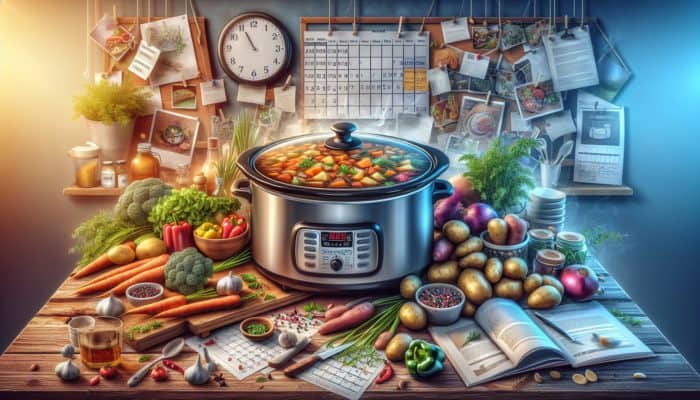
Which Slow Cooker Dishes Are Most Popular Among Home Cooks?
When discussing popular slow cooker recipes, several dishes stand out for their simplicity and robust flavour. Notable favourites include pulled pork, beef stew, and chicken curry, all of which are cherished by home cooks for their effortless preparation and satisfying results.
To prepare pulled pork, you only need a handful of basic ingredients: a pork shoulder, your favourite barbecue sauce, and some spices. Place the pork in the slow cooker, add the sauce, and cook it on low for 8 hours. The result is tender meat that shreds easily, perfect for sandwiches or tacos.
Another beloved classic is beef stew, which benefits immensely from slow cooking. Start by browning the meat, then add vegetables such as carrots and potatoes, along with beef stock and herbs. Let it simmer for at least 6-8 hours, resulting in a hearty meal that’s ideal for any day of the week.
Similarly, chicken curry is incredibly simple to prepare. Combine diced chicken thighs with coconut milk, curry paste, and a variety of fresh vegetables in your slow cooker. Cook on low for 6 hours and serve it over rice or with naan for a comforting dinner.
These recipes demonstrate how easy it is to prepare fulfilling meals that require minimal hands-on effort, making them perfect for busy households.
What Techniques Can You Use to Adapt Recipes for the Slow Cooker?
Transforming traditional recipes for the slow cooker is an invaluable skill for busy cooks. Many dishes, from soups to casseroles, can be successfully modified for slow cooking by adjusting cooking times and the amounts of liquid required.
For example, if you’re adapting a recipe that typically needs 30 minutes of stovetop cooking, it may require 3-4 hours on high or 6-8 hours on low in a slow cooker. It’s vital to ensure that you have adequate liquid for the cooking process; slow cookers excel at retaining moisture, which often means you require less liquid than traditional stovetop cooking recommends.
When modifying casseroles, strategically layer your ingredients. Position denser items like potatoes or carrots at the bottom, where they receive more heat, and lighter ingredients such as leafy greens on top. This technique guarantees even cooking and prevents some ingredients from becoming mushy while others remain undercooked.
Utilising dried beans is another excellent method to adapt recipes for the slow cooker, but remember they need to be soaked beforehand for even cooking. By adhering to these guidelines, you can successfully modify your favourite recipes to enjoy the benefits of slow cooking without sacrificing taste or quality.
How Can You Include Nutritious Ingredients in Your Slow Cooker Meals?

Incorporating wholesome ingredients into your slow cooker meals is both straightforward and rewarding. Lean meats, a variety of vegetables, and whole grains can take centre stage in your dishes, making it easier for you to maintain a balanced diet. Slow cooking is an excellent method for managing the amount of salt, sugar, and fat in your meals, catering to health-conscious cooks.
Opt for lean cuts of meat such as chicken breast or turkey, or plant-based alternatives like chickpeas and lentils. These options provide essential protein without excessive saturated fats. A classic example is a vegetable and lentil stew, brimming with a medley of vegetables and seasoned with herbs and spices, making it perfect for a nourishing meal.
Moreover, the slow cooker is fantastic for preparing whole grain dishes such as quinoa or brown rice, infused with broth or spices for added flavour. This not only elevates your meal but also enhances fibre and essential nutrients.
Examples of healthy slow cooker recipes include a chicken and vegetable stir-fry that uses minimal oil and fresh produce, or a quinoa and black bean chili that is hearty and rich in protein. By focusing on wholesome ingredients, slow cooking can provide a flavourful pathway to healthier eating without compromising taste.
What Time-Saving Tips Can Enhance Your Slow Cooker Meal Prep?
Maximising efficiency in slow cooker meal preparation can significantly reduce your overall cooking time. One key tip is to prep ingredients the night before, enabling you to simply place everything in the cooker in the morning. Using slow cooker liners can also save you time on cleanup, making meal preparation even more efficient.
Another effective time-saving strategy is batch cooking. By preparing larger quantities of meals and dividing them into portions for freezing, you can have home-cooked meals ready at a moment’s notice, requiring only reheating or finishing in the slow cooker. Dishes like soups, stews, and curries freeze particularly well and provide comforting meals for busy days.
Incorporating pre-cooked or frozen ingredients can also save considerable time. For example, you can add frozen vegetables directly to the slow cooker without thawing first. Additionally, strategic layering of ingredients enhances cooking efficiency; placing denser vegetables at the bottom and more delicate ones on top ensures even cooking.
These practical tips can help streamline your slow cooking process, making it a preferred choice for quick weeknight dinners.
How to Choose the Right Slow Cooker for Your Cooking Needs?
What Key Features Should You Consider When Choosing a Slow Cooker?
When selecting a slow cooker, focus on several essential features that can significantly enhance your cooking experience. Size is a critical consideration; for families, a larger 5-7 litre model is ideal, while smaller units between 1-3 litres are better suited for singles or couples.
Programmability is another vital feature – look for models that allow you to set cooking times and switch to a ‘warm’ setting once the cooking is complete. This ensures that your meal won’t overcook if you are delayed.
Ease of cleaning is also crucial. Many slow cookers come with removable stoneware pots that are dishwasher-safe. Additionally, consider the shape of the cooker; oval models can accommodate larger cuts of meat, while round ones work effectively for soups and stews.
By concentrating on these essential features, you can select a slow cooker that best suits your culinary needs, making meal preparation both enjoyable and efficient.
How Do Different Types of Slow Cookers Compare?
The market offers a variety of slow cookers, each with unique advantages tailored to different cooking styles. Basic models are perfect for those who prefer simplicity and straightforward functionality; these typically feature manual controls and require minimal user input.
Programmable slow cookers add a layer of sophistication, allowing you to set specific cooking times and temperatures. Some models even feature options that enable you to adjust the cooking method, transitioning from slow cooking to browning.
Multi-function cookers, such as those that combine slow cooking with pressure cooking or sautéing capabilities, provide excellent versatility in the kitchen. While these may come at a higher price point, they offer a range of cooking options that can simplify meal preparation.
Understanding the features and benefits of each type can assist you in selecting a slow cooker that aligns with your culinary preferences, ensuring you make the most of this invaluable kitchen appliance.
What Essential Practices Should You Follow to Maintain Your Slow Cooker?
Proper maintenance of your slow cooker can significantly extend its lifespan and enhance its performance. Regular cleaning is crucial; always unplug your cooker before cleaning and avoid abrasive cleaners that can scratch its surface. Instead, use warm, soapy water along with a soft cloth or sponge to wipe down both the outer casing and the lid.
It’s also important to store the slow cooker correctly. Avoid placing heavy items on top and keep it in a dry area to prevent moisture accumulation. Regularly inspect the stoneware for cracks and ensure the heating element remains clean to maintain efficiency.
Following the manufacturer’s guidelines is the best way to ensure that your slow cooker continues to perform optimally. By taking these steps, you will not only prolong the life of your appliance but also ensure consistently delicious meals every time you cook.
How to Determine the Ideal Size Slow Cooker for Your Household?
Determining the right size slow cooker for your household is vital for ensuring ample capacity for your meals. For individuals or couples, a 1-3 litre cooker is generally sufficient, allowing for personal servings and small batch cooking.
For families or those who frequently host gatherings, consider a 5-7 litre cooker, which is perfect for preparing larger quantities and makes catering to multiple people easier without the need for constant cooking. If you often cook for additional guests or larger family dinners, opting for a larger model is advisable.
Additionally, consider your available storage space; ensure that the cooker you choose will fit comfortably in your kitchen. The right size slow cooker not only optimises your cooking experience but also minimises waste while maximising efficiency.
What Financial Considerations Should You Keep in Mind When Purchasing a Slow Cooker?
When contemplating a slow cooker purchase, establishing a clear budget is essential. Prices can vary significantly, ranging from budget-friendly models to high-end versions with numerous features. Basic models typically suffice for simple meal preparation and are generally more affordable.
However, if you desire advanced features, such as programmable settings or multi-function capabilities, be prepared to invest more. Setting a budget beforehand helps narrow down your options and prevents overspending.
Consider potential long-term savings as well; investing in a higher quality slow cooker may reduce the need for replacements and repairs over time, ultimately proving to be a more cost-effective choice. By balancing your needs with your budget, you can find an appliance that enhances your cooking experience without breaking the bank.
What Quick and Easy Slow Cooker Recipes Can You Try Today?
Simple and Delicious Slow Cooker Chicken Recipes
Chicken is an incredibly versatile ingredient that excels in slow cooker recipes. Its ability to absorb flavours makes it perfect for a variety of dishes, from comforting stews to zesty curries. Simple recipes include whole chicken, shredded chicken for tacos, or even tangy lemon herb chicken.
For a whole chicken, season it generously with your favourite herbs and spices, and place it in the slow cooker with some broth or lemon slices. Cook on low for 6-8 hours, and you’ll end up with juicy, tender chicken that can be served with sides or used in salads.
Shredded chicken for tacos is another crowd-pleaser. Simply add chicken breasts to the slow cooker with salsa, and cook on low for 6 hours. Once finished, shred the chicken and serve it in taco shells with your favourite toppings.
Another easy recipe is lemon garlic chicken, where chicken thighs are seasoned with garlic and fresh lemon juice and then slow-cooked until tender. Key ingredients essential for these dishes include:
- Chicken (whole or cuts)
- Broth (chicken or vegetable)
- Seasonings (herbs, spices)
- Optional vegetables (onions, garlic)
These recipes showcase the ease of slow cooking and the delicious results it produces.
Effortless Slow Cooker Soups and Stews to Comfort You
Soups and stews are perhaps the most fitting dishes for the slow cooker, as they thrive on prolonged cooking times. The rich flavours that develop over hours of simmering make them ideal for busy days when you crave something warm and comforting.
Consider a hearty vegetable and lentil soup, which can be prepared by chopping vegetables and adding them to the slow cooker with lentils and broth. Set it on low for 6-8 hours, and you’ll have a nutritious, flavour-packed meal awaiting your return home.
Another classic is beef and barley stew. After browning the meat, toss it into the slow cooker with barley, carrots, and stock, along with your favourite seasonings. Allow it to cook for 8 hours, resulting in a thick, rich stew that’s perfect for chilly evenings.
For these recipes, focus on ingredients like beans, lentils, and seasonal vegetables, which not only add substance but also boost nutritional value. The slow cooker can transform simple ingredients into satisfying meals that require minimal effort on your part.
Quick and Flavorful Vegetarian Slow Cooker Options
Vegetarian slow cooker recipes can be just as delightful and easy to prepare. Dishes like lentil soup, vegetable curry, and bean chili are not only nutritious but also bursting with flavours. These options are perfect for those looking to reduce their meat consumption while still enjoying hearty meals.
A vegetable curry can be made by combining assorted vegetables, coconut milk, and curry paste in the slow cooker. Cook on low for 6 hours and serve it over rice for a fulfilling meal.
Another straightforward vegetarian recipe is bean chili, where various beans, tomatoes, and spices come together for a comforting dish. Cook on low for 8 hours, and the result is a thick, flavourful chili perfect for cooler days.
To create these dishes, consider essential ingredients like:
- Assorted beans (black beans, kidney beans)
- Vegetables (carrots, bell peppers, zucchini)
- Whole grains (quinoa, rice)
- Coconut milk or vegetable broth
Vegetarian slow cooker meals can be just as satisfying and flavourful as their meat-based counterparts, catering to various dietary preferences while never compromising on taste.
Proven Strategies for Crafting the Best Slow Cooker Recipes on Bustling Days
How Can You Effectively Plan Your Slow Cooker Meals?
Effective meal planning is crucial to fully leverage the advantages of slow cooking. Start by selecting recipes that can be prepared ahead of time, allowing for seamless transitions from prep to cooking. Tailor your meal plan to accommodate your schedule, focusing on dishes that align with your needs for the upcoming week.
Consider creating a weekly menu that encompasses a mix of proteins, vegetables, and grains, ensuring a broad range of nutrients. This method simplifies shopping and alleviates decision fatigue during busy meal times.
To streamline your cooking, ensure you have all necessary ingredients on hand for the cooking day. This means checking your pantry and refrigerator for staples and planning grocery trips in advance. Additionally, consider batch cooking on weekends; preparing larger portions can save time during the week and provide quick meal options.
By implementing these planning strategies, you can significantly reduce stress and enjoy the convenience of slow-cooked meals that seamlessly fit into your busy lifestyle.
How Can You Maximise the Use of Leftovers in Your Slow Cooking?
Utilising leftovers can be a game-changer for slow cooking, allowing you to transform yesterday’s meals into exciting new dishes. For example, leftover roast chicken can easily be converted into a chicken and rice soup. Simply add broth, fresh vegetables, and spices to the slow cooker along with the leftover chicken, and let it cook on low for a few hours for a comforting meal.
Another approach is incorporating leftover vegetables into a vegetable stew. Combine these with broth and lentils or beans, allowing the flavours to meld during cooking. This not only reduces food waste but also provides you with quick, nutritious meals.
By creatively repurposing leftovers, you can save time and effort, making your slow cooker an even more valuable kitchen asset. The versatility of slow cooking enables you to create delightful meals while minimising waste.
What Time-Saving Techniques Can Enhance Your Slow Cooking Experience?
Several time-saving techniques can enhance your slow cooking experience. One effective method is layering ingredients; placing denser vegetables at the bottom ensures they cook evenly while preventing delicate ingredients from becoming overdone.
Using pre-cooked or frozen items can drastically cut down preparation time. For instance, if you’re adding frozen vegetables or pre-cooked meats to your slow cooker, you can often skip the thawing step entirely.
Another efficient technique involves setting the slow cooker to start later in the day. Many modern slow cookers feature delayed start functions, enabling you to prepare everything in the morning and let it cook while you go about your day.
By incorporating these techniques, you can streamline your slow cooking process, allowing you to enjoy homemade meals without the hassle of extensive preparation time.
Essential Safety Practices and Techniques for Slow Cooking
How Can You Ensure Food Safety When Using Your Slow Cooker?
Ensuring food safety while using your slow cooker is crucial to prevent foodborne illnesses. Always start with clean ingredients and ensure that your slow cooker is thoroughly cleaned before each use. Use a food thermometer to check that your meals reach a safe internal temperature; meats should typically achieve at least 75°C (165°F) to be deemed safe for consumption.
Avoid leaving cooked food at room temperature for extended periods; it’s essential to refrigerate leftovers promptly. When reheating, ensure that food reaches an appropriate temperature to eliminate any potential bacteria.
Implementing these best practices not only safeguards your health but also enhances your overall slow cooking experience. By adhering to recommended food safety guidelines, you can relish delicious meals with confidence.
What Best Practices Should You Follow When Using a Slow Cooker?
To achieve the best outcomes from your slow cooker, adhere to several essential practices. Always use the appropriate amount of liquid; while slow cookers retain moisture well, insufficient liquid can lead to dry dishes. Most recipes require a minimum of 1 cup of liquid to ensure proper cooking.
Avoid overfilling the cooker, as this can lead to spillage and uneven cooking. It’s generally advisable to fill the slow cooker to no more than two-thirds full. Additionally, resist the urge to lift the lid frequently; doing so can cause heat loss, extending cooking times and affecting the final result.
By following these best practices, you can significantly enhance your slow cooking results, ensuring that meals are evenly cooked and bursting with flavour.
How Can You Troubleshoot Common Slow Cooker Issues?
Understanding how to troubleshoot common slow cooker problems can greatly improve your cooking experience. Uneven cooking often stems from improper ingredient placement; ensure that denser items are at the bottom and that the cooker is not overcrowded.
If your meals appear burnt around the edges, consider adjusting the cooking time or temperature. Since slow cookers can vary in efficiency, being familiar with your model’s characteristics can help you make necessary adjustments.
Overly watery dishes can be remedied by removing the lid during the last hour of cooking to allow moisture to evaporate. Understanding these common issues and their solutions can lead to improved results and a more enjoyable cooking process.
How to Choose the Perfect Slow Cooker for Your Requirements?
Selecting the right slow cooker involves careful consideration of size, features, and usability. Assess your cooking needs; a larger cooker is ideal for families or batch cooking, while a smaller model is sufficient for individuals or couples.
Look for features such as programmable settings and ease of cleaning. Models with removable stoneware pots are particularly convenient, as they allow for dishwasher cleaning. Additionally, check for warranties and customer reviews to ensure you select a reliable option.
By thoughtfully choosing a slow cooker that aligns with your cooking style and needs, you can enhance your culinary adventures and simplify your busy life.
What Maintenance and Cleaning Tips Will Keep Your Slow Cooker in Excellent Condition?
Proper maintenance and cleaning of your slow cooker are essential for ensuring its longevity and performance. Always unplug your slow cooker before cleaning and use gentle methods to avoid scratching the surfaces.
Regularly inspect the stoneware for cracks or chips, and avoid using it on high heat settings if it’s not designed for such. By adhering to the manufacturer’s cleaning instructions and employing best practices, you can keep your slow cooker in optimal condition for years to come.
By following these maintenance tips, you’ll ensure that your slow cooker continues to deliver scrumptious meals, making it a staple in your kitchen for busy days.
Frequently Asked Questions About Slow Cooking
Can I use frozen meat in a slow cooker?
While it’s generally best to thaw meat before cooking, you can use frozen meat in specific situations. Just ensure it reaches a safe internal temperature throughout the cooking process.
How long can I leave food in a slow cooker on warm?
Food can typically be kept on the warm setting for about 4 hours without compromising safety, but it’s best to serve or refrigerate leftovers as soon as possible.
Can I cook pasta in a slow cooker?
Yes, you can cook pasta in a slow cooker, but it requires careful timing. Add pasta during the last hour of cooking to prevent it from becoming mushy.
Is it safe to leave the slow cooker unattended?
Yes, slow cookers are designed for unattended cooking, making them perfect for busy schedules. Ensure it’s placed on a stable surface away from flammable materials.
What types of recipes work best in a slow cooker?
Recipes that benefit from long cooking times, such as stews, soups, and casseroles, work best in slow cookers. These dishes often improve in flavour with extended cooking.
Can I adjust cooking times for slow cooker recipes?
Yes, you can adjust cooking times. Generally, cooking on low for a longer period yields better results than cooking on high for a short time.
What’s the best way to clean my slow cooker?
Clean your slow cooker with warm, soapy water and a soft sponge. Avoid abrasive materials that can scratch the surface.
Can I make desserts in my slow cooker?
Absolutely! Slow cookers can be used to create various desserts, such as puddings, cakes, and cobblers, yielding delicious results.
What should I do if my slow cooker is not heating properly?
If your slow cooker is not heating properly, check the electrical outlet and settings. If issues persist, consult the manufacturer’s guidelines for troubleshooting.
How do I know if my meal is done in the slow cooker?
Use a food thermometer to ensure meats reach a safe internal temperature, while vegetables should be tender. Following recipe timings can also guide you on doneness.
Join our community on Facebook!
The post Best Slow Cooker Recipes for Busy Days: Quick and Easy Meals appeared first on https://cookinggods.com
The Article Slow Cooker Recipes: Quick and Easy Meals for Busy Days Was Found On https://limitsofstrategy.com
The Article Slow Cooker Recipes for Effortless Meals on Busy Days first appeared on https://electroquench.com