Explore the Essential Role of Vitamin D Blood Testing for Your Health
Discover How Vitamin D Testing Can Enhance Your Well-being
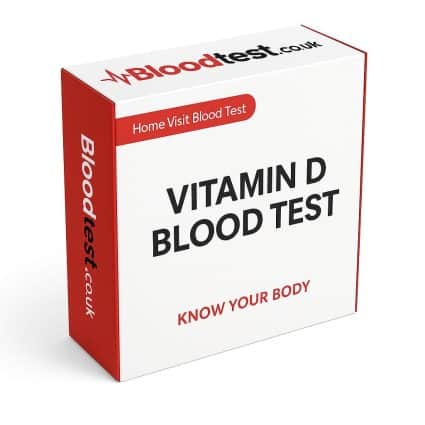
Private Vitamin D Blood Test in Mansfield: This critical test acts as a key diagnostic instrument that measures the levels of <a href="https://electroquench.com/vitamin-d-blood-test-essential-guide-for-scarborough-residents/">vitamin D</a> present in your bloodstream. By evaluating these levels, healthcare professionals can gain valuable insights into your overall health and pinpoint any potential deficiencies. Vitamin D is integral to numerous bodily functions, including calcium absorption and the maintenance of bone health. Additionally, it plays a crucial role in fortifying a strong immune system and is linked to enhanced mental well-being.

By assessing your vitamin D levels, healthcare practitioners can identify and address a variety of health concerns arising from deficiencies, such as osteoporosis, rickets, and certain autoimmune disorders. Regular testing becomes essential for sustaining optimal vitamin D levels that align with your lifestyle and health requirements.
For individuals across the UK, especially in regions with limited sunlight during winter, a vitamin D blood test acts as a proactive approach to health management. This is particularly important for those at risk of deficiency, including older adults, pregnant women, and individuals with darker skin tones. Gaining an understanding of your vitamin D levels through testing is a critical step towards protecting your health and improving your overall quality of life.
What Is the Process for Undergoing a Vitamin D Blood Test?
The vitamin D blood test involves the collection of a small blood sample, typically taken from a vein in your arm. A qualified healthcare professional usually carries out this straightforward procedure within a clinical environment. After the sample is collected, it is sent to a laboratory for assessment, where your vitamin D levels are measured in nanomoles per litre (nmol/L). This efficient process ensures minimal interruption to your daily routine.
During the procedure, patients often receive clear instructions, which may include specific preparations to follow beforehand. Although the test is minimally invasive, some individuals might experience slight discomfort from the needle. Overall, the vitamin D blood test serves as an invaluable tool for evaluating your health status and enabling timely interventions should your levels be found to be inadequate.
Who Should Seriously Consider Vitamin D Testing?
People at risk of vitamin D deficiency should strongly consider undergoing testing. This group typically includes individuals with limited sunlight exposure, such as office workers or those living in northern regions of the UK, particularly during the winter months. Other demographics who may benefit from testing include those with darker skin tones, as higher melanin levels can hinder the skin’s ability to produce vitamin D from sunlight. Additionally, certain medical conditions, including obesity, specific gastrointestinal disorders, and kidney diseases, may also necessitate testing.
Discussing your risk factors with your doctor can help determine if a vitamin D blood test is necessary for you. Regular testing is crucial for anyone exhibiting symptoms of deficiency, such as fatigue, muscle weakness, or ongoing bone pain. Early detection of deficiencies allows for timely interventions, including dietary changes or vitamin D supplementation, ultimately improving overall health and helping to prevent long-term complications.
Insights from Experts on the Importance of Vitamin D Blood Testing in Mansfield
Recognising the Health Benefits of Regular Vitamin D Testing
Engaging in routine vitamin D testing provides significant advantages for monitoring your levels and adjusting your intake as necessary, which is vital for achieving optimal health. Understanding your vitamin D status empowers you to create personalised health strategies and encourages proactive health management. Here are several key benefits associated with regular vitamin D testing:
- Early detection of deficiencies allows for prompt intervention.
- Monitoring the effectiveness of supplementation and adjusting dosages accordingly.
- Empowering individuals with knowledge about their health status.
- Enhancing bone health and reducing the risk of osteoporosis.
- Strengthening the immune system’s response to infections.
- Providing insights into overall mental health and mood regulation.
- Encouraging lifestyle modifications, such as increased sun exposure or dietary changes.
- Facilitating informed discussions with healthcare professionals.
Regular testing holds particular significance for residents of Mansfield, where seasonal variations in sunlight can greatly affect vitamin D synthesis. Staying informed about your levels enables you to take proactive measures to optimise your health through appropriate dietary choices and lifestyle adjustments.
What Insights Can You Gain from Your Vitamin D Test Results?
Vitamin D test results are reported in nanomoles per litre (nmol/L), offering crucial insights into your vitamin D status. Typical levels generally fall within the range of 50-125 nmol/L. Understanding your position within this spectrum can inform your supplementation and lifestyle choices. If your levels are below 50 nmol/L, you may be categorised as deficient and may need supplementation.
Comprehending the implications of your results is vital. For example, levels that are below the recommended range could elevate your risk of various health issues, including weakened bones and increased susceptibility to infections. Conversely, excessively high levels can present risks, highlighting the need for a balanced approach to vitamin D intake. Your healthcare provider can assist in clarifying your results and developing a customised health plan that aligns with your unique needs.
How Can You Accurately Understand Your Vitamin D Test Results?
Interpreting your vitamin D test results requires understanding the reference ranges and their health implications. A result within the normal range does not guarantee optimal health; individual factors must be taken into account. Your healthcare provider can guide you in interpreting the numbers and comparing them with your overall health profile, age, lifestyle, and any underlying medical conditions you may have.
For individuals whose results indicate a deficiency, engaging in a detailed conversation with your provider can lead to actionable steps, including dietary changes or tailored supplementation. This personalised approach ensures that you receive the most relevant advice, increasing your chances of attaining and maintaining optimal vitamin D levels.
Where Can You Access Vitamin D Testing Services in Mansfield?
A variety of clinics and laboratories throughout Mansfield offer vitamin D blood tests, making it easier for residents to access this essential health service. When selecting a facility, it is crucial to choose a reputable clinic staffed by qualified professionals to guarantee accurate results and reliable advice. Local GP surgeries frequently provide testing services or can refer you to trusted laboratories.
Moreover, some private healthcare facilities in Mansfield may offer expedited testing services, which can be particularly advantageous for those seeking quicker result turnaround times. It is prudent to verify the accreditation and patient feedback to ensure you make an informed choice regarding where to undergo your testing.
Crucial Steps to Prepare for Your Vitamin D Blood Test
Key Pre-Test Guidelines You Must Follow
Before your vitamin D blood test, adhering to specific preparation guidelines may be necessary to ensure accurate results. Based on your healthcare provider’s recommendations, you might need to fast for a particular duration or refrain from specific medications that could interfere with the test outcomes. For instance, some vitamin D supplements may need to be temporarily halted prior to testing.
Your healthcare provider will provide comprehensive instructions tailored to your circumstances. Following these guidelines is critical, as any deviations could jeopardise the accuracy of your results, potentially leading to misinterpretations and inappropriate health recommendations. Clear communication with your healthcare provider regarding any medications or supplements you are currently taking is essential for receiving the most precise guidance.
What Should You Expect During the Testing Procedure?
During the vitamin D blood test, a healthcare professional will collect a small amount of blood from your arm, typically from a vein located in the crease of your elbow. The procedure is quick, often taking just a few minutes, and usually involves minimal discomfort. Many patients describe the sensation as akin to a light pinch.
Once the blood sample is collected, it is carefully labelled and dispatched to a laboratory for analysis. Your healthcare provider will guide you throughout the procedure, ensuring you know what to anticipate. While you await your results, you can return to your regular activities, but it is wise to monitor for any unusual symptoms and report them to your healthcare provider.
Post-Test Care: Important Considerations for Your Recovery
After your vitamin D blood test, you can typically resume your normal activities immediately. However, it is prudent to pay attention to your body and care for the puncture site. Applying gentle pressure to the area can help prevent excessive bruising. Your healthcare provider will inform you when to expect your results and discuss any necessary follow-up actions.
Understanding your results is crucial, as they can significantly influence your health decisions moving forward. If your levels indicate a deficiency, your provider may suggest lifestyle modifications or supplementation to help you reach optimal levels. Remaining proactive about your health ensures you stay well-informed regarding your vitamin D status and its implications for your overall well-being.
What Do Your Results Indicate? Understanding Their Implications
Your healthcare provider will thoroughly explain your vitamin D levels and their implications for your health. They will place your results in context, indicating whether they fall within the normal range or suggest a deficiency or excess. Based on your findings, your provider may recommend specific supplements, dietary changes, or increased sun exposure to help achieve optimal vitamin D levels.
Moreover, discussing how your lifestyle factors may influence your vitamin D status is vital. For those who spend most of their time indoors or have limited outdoor activity, your provider may offer strategies for integrating more vitamin D-rich foods into your diet or increasing safe sun exposure. Ultimately, understanding your results empowers you to take informed steps towards improving your health and overall well-being.
The Compelling Benefits of Vitamin D Blood Testing
Strengthening Bone Health Through Regular Testing
Vitamin D is essential for promoting calcium absorption and ensuring optimal bone health. Routine testing can help prevent conditions such as osteoporosis and rickets by ensuring your vitamin D levels remain within the ideal range. Sufficient vitamin D is crucial for maintaining bone density and strength, thereby minimising the risk of fractures, particularly among older adults. Here are some significant benefits associated with preserving bone health:
- Enhances calcium absorption, vital for effective bone formation.
- Reduces the risk of osteoporosis in older adults, promoting longevity.
- Prevents rickets in children and supports healthy bone development.
- Minimises the risk of fractures and falls, especially in the elderly.
- Supports overall musculoskeletal health and functionality.
- May alleviate symptoms associated with specific bone-related diseases.
- Encourages a balanced diet that includes vitamin D-rich foods.
- Facilitates the early detection of potential bone health issues.
In the UK, where sunlight exposure can be limited, particularly during winter months, regular testing is especially beneficial for those at risk of deficiency. By maintaining optimal vitamin D levels, you can significantly enhance your bone health and overall quality of life.
Boosting Immune Function: The Indispensable Role of Vitamin D
Maintaining adequate vitamin D levels is vital for supporting a healthy immune system, which is essential for defending against infections and diseases. Research indicates that vitamin D modulates the immune response, assisting the body in combating harmful pathogens. Regular testing can help ensure you maintain optimal vitamin D levels, especially during winter when respiratory infections are more prevalent.
Vitamin D testing also aids in the early identification of individuals at risk for deficiency, allowing healthcare providers to recommend appropriate interventions. Keeping vitamin D levels adequate can enhance immune function and reduce the frequency of common infections, which is pivotal in promoting overall health and wellness.
What Are the Common Symptoms Indicating Vitamin D Deficiency?
Signs of vitamin D deficiency can often be subtle but may manifest as bone pain, muscle weakness, and persistent fatigue. Some individuals may also experience mood fluctuations or depressive symptoms, given the role of vitamin D in mental health. If you are experiencing these symptoms, it may be wise to consider undergoing a vitamin D blood test to assess your levels.
Moreover, frequent infections, prolonged illnesses, or slow recovery from injuries can also signify a deficiency. Being proactive about your health and recognising these signs can lead to timely testing and intervention, ultimately enhancing your quality of life.
Finding Vitamin D Blood Testing Services in Mansfield
Investigating Local Clinics and Health Facilities
Numerous clinics and hospitals in Mansfield provide vitamin D blood testing. It is advisable to consult your GP or a local health centre to identify a convenient location. Many GP surgeries offer this service, ensuring residents have easy access to essential health assessments. Some local hospitals may also feature comprehensive testing facilities.
When selecting a testing location, consider factors such as accessibility, waiting times, and the facility’s reputation. It is crucial to choose a reputable clinic or laboratory that adheres to high standards of patient care to guarantee accurate results and dependable guidance. Engaging with local healthcare providers can facilitate a more tailored approach to your health and wellness.
Utilising Private Testing Services for Enhanced Convenience
For those seeking expedited service, private testing companies in Mansfield offer quick, confidential vitamin D blood tests. These services typically provide online booking and swift delivery of results, making the process convenient and efficient. Private testing can be especially beneficial for individuals who prefer to avoid the lengthy wait times associated with NHS services or who require rapid results for personal health management.
When considering private testing, ensure that the facility is accredited and employs qualified staff. Reading patient reviews can also offer insights into the quality of service provided. By exploring private options, you can take control of your health and receive timely feedback regarding your vitamin D status.
Understanding the Costs Associated with Vitamin D Testing
The cost of a vitamin D blood test in Mansfield can fluctuate significantly based on whether you utilise NHS services or opt for private providers. NHS tests may be offered at no charge, particularly for individuals deemed at risk of deficiency. Conversely, private testing services typically charge between £30 and £100, depending on the facility and the test’s level of detail.
It is advisable to directly contact your provider or the testing facility to obtain pricing information. Understanding the costs involved can assist you in making informed decisions about your vitamin D testing options and budgeting accordingly.
Research-Backed Benefits of Vitamin D Blood Testing in Mansfield
Investigating the Connection Between Vitamin D and Mental Health
Studies indicate that maintaining optimal vitamin D levels can positively affect mood and mental health. Adequate vitamin D is linked to a reduced risk of depression and other mood disorders. Regular testing can help you effectively manage your levels, fostering better mental well-being.
For many individuals, especially those living in areas with limited sunlight exposure, monitoring vitamin D levels is crucial for effectively managing mental health. By ensuring your levels remain within the optimal range, you are taking proactive steps towards enhancing your mood and overall quality of life.
Can Vitamin D Testing Aid in Preventing Chronic Diseases?
Some research suggests that maintaining sufficient vitamin D levels may lower the risk of chronic diseases, including heart disease and diabetes. Regular testing can help you stay vigilant about your health, enabling timely interventions if your levels are suboptimal. Monitoring your vitamin D status is particularly vital for individuals with pre-existing health conditions or risk factors for chronic diseases.
By identifying deficiencies early, healthcare providers can recommend lifestyle changes or supplementation to mitigate potential health risks. Staying informed about your vitamin D status is essential for overall health, particularly in the context of chronic disease prevention.
What Are the Latest Advancements in Vitamin D Research?
Recent studies continue to uncover the extensive benefits of vitamin D, spanning its impact on bone health to its influence on immune function and mental well-being. Remaining informed about these findings underscores the importance of regular vitamin D blood testing. By staying abreast of the latest insights, individuals can make informed decisions regarding their health and wellness.
Healthcare providers increasingly recognise the significance of vitamin D in comprehensive health management. As research evolves, it will be essential for individuals to engage with their healthcare providers to ensure their vitamin D levels are monitored and effectively managed.
Frequently Asked Questions About Vitamin D Testing
What does a vitamin D blood test involve?
A vitamin D blood test measures the quantity of vitamin D in your blood, assisting in evaluating your health status and identifying potential deficiencies.
Why is testing important?
Testing is vital for detecting vitamin D deficiency, which can significantly affect bone health, immune function, and overall well-being.
How often should I have vitamin D testing?
The frequency of testing depends on individual risk factors; however, annual testing is often recommended, particularly for those at risk of deficiency.
What do the test results signify?
Results are measured in nmol/L, with normal levels typically ranging from 50-125 nmol/L. Levels outside this range may indicate deficiency or excess.
Can I prepare for the vitamin D test?
Preparation may involve fasting or pausing certain medications. Always follow your healthcare provider’s specific instructions to ensure accurate results.
Where can I access testing services in Mansfield?
Several clinics and hospitals in Mansfield offer vitamin D testing. You may also explore private testing services for quicker results.
What is the cost associated with the vitamin D test?
Costs can vary; NHS tests may be free for at-risk individuals, while private tests can range from £30 to £100.
What signs may indicate vitamin D deficiency?
Symptoms may include fatigue, bone pain, muscle weakness, and mood changes. Testing is advisable if you experience these signs.
How does vitamin D impact my overall health?
Vitamin D is crucial for bone health, immune function, and mood regulation. Maintaining optimal levels is essential for overall health.
What steps should I take if my levels are low?
If your levels are low, consult your healthcare provider for recommendations regarding supplementation or lifestyle changes to enhance your vitamin D status.

Connect with us on Facebook!

This Article Was First Found On https://bloodtest.co.uk
The Article Vitamin D Blood Test: Your Essential Guide in Mansfield Was Found On https://limitsofstrategy.com
The Article Vitamin D Blood Test: Essential Insights for Mansfield Residents found first on https://electroquench.com