Key Insights on Cholesterol Blood Tests in Mansfield
What is the significance of a cholesterol blood test?
Private Cholesterol Blood Test in Mansfield: A cholesterol blood test is an essential medical assessment that measures cholesterol and triglyceride levels in the bloodstream. This important evaluation provides valuable insights into a person’s cardiovascular health and assists healthcare professionals in identifying potential risks related to heart disease, a leading health concern in the UK. By understanding cholesterol levels comprehensively, medical practitioners can recommend vital lifestyle modifications or effective therapeutic strategies to mitigate these health risks. Residents of Mansfield can conveniently access this crucial test through NHS services, allowing for consistent monitoring of their heart health.
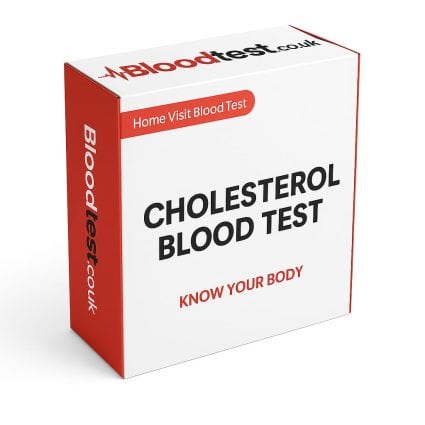

The cholesterol blood test involves several critical steps to ensure precise results. Initially, a healthcare professional will perform a venipuncture, skillfully drawing blood from a vein, typically in the arm. The blood sample is then sent to a laboratory where qualified technicians analyse various cholesterol types, including low-density lipoprotein (LDL) and high-density lipoprotein (HDL). the healthcare provider will discuss the results with the patient, crafting a customised health plan based on their findings. Key components of the cholesterol blood test encompass:
- Preparation guidelines, including fasting protocols.
- Details of the blood collection process.
- Laboratory analysis employing cutting-edge technology.
- Consultation for comprehensive result interpretation.
What types of cholesterol tests are available?
In Mansfield, residents can access a diverse range of cholesterol tests, with the most prevalent being the lipid profile. This all-encompassing test evaluates several cholesterol components, including total cholesterol, LDL cholesterol, HDL cholesterol, and triglycerides. Understanding the balance among these types is vital for assessing cardiovascular health.
Local clinics and NHS facilities typically provide the following cholesterol tests:
- Lipid profile tests that deliver a comprehensive overview of cholesterol levels.
- Direct LDL tests specifically measuring low-density lipoprotein.
- HDL tests to ascertain high-density lipoprotein levels.
- Non-fasting cholesterol tests for added convenience, although fasting generally yields more accurate results.
These tests are meticulously designed to effectively evaluate cardiovascular risk and guide residents towards necessary lifestyle adjustments or medical interventions that can significantly enhance heart health.
How frequently should individuals undergo cholesterol testing?
Regular cholesterol screening is crucial for adults, particularly those over the age of 40, in accordance with UK health guidelines. It is generally recommended that individuals in this age bracket have cholesterol tests performed at least every five years. those with a family history of heart disease or known risk factors may need more frequent assessments. Early detection is vital for effective management and prevention of heart-related complications.
Health authorities in the UK emphasise the importance of consistently monitoring cholesterol levels as part of routine health evaluations. By remaining aware of their cholesterol status, individuals can proactively adopt measures to maintain their heart health. This may involve dietary changes, increased physical activity, or medical interventions based on test outcomes. Regular testing not only aids in tracking cholesterol levels but also empowers healthcare providers to deliver personalised recommendations and support to optimise heart health.
Where can Mansfield residents obtain a cholesterol blood test?
Mansfield residents have multiple avenues for accessing cholesterol blood tests. These vital services are readily available at local GP surgeries, NHS clinics, and community health centres. for those needing urgent services, mobile health vans may be dispatched to the area, facilitating convenient access to testing without requiring extensive travel.
To arrange an appointment, residents can either visit the NHS website or contact their GP directly. Ensuring easy access to cholesterol testing significantly bolsters public health initiatives aimed at early detection and management of cardiovascular risk. Local health services are committed to promoting heart health, and these accessible testing options play a crucial role in achieving that goal.
In-Depth Analysis of Cholesterol Blood Tests in Mansfield
What factors can impact the accuracy of cholesterol tests?
Several elements can affect the reliability of cholesterol blood tests, making it essential to comprehend these variables to obtain trustworthy results. One crucial consideration is the fasting requirement prior to testing. For optimal results, patients are typically advised to fast for 10-12 hours, abstaining from all food and beverages other than water. This fasting period ensures that the measured cholesterol levels accurately reflect the body’s baseline state, free from the immediate effects of recent dietary intake.
The handling and processing of the blood sample is critical for maintaining its integrity. Blood samples must be managed promptly by qualified professionals to prevent degradation that could lead to inaccurate results. Patients should also inform healthcare providers about any medications they are currently taking, as certain drugs may influence cholesterol levels. Other significant factors impacting test accuracy include:
- Timing of the test relative to meals.
- Hydration levels prior to testing.
- Physical activity levels leading up to the test.
- Overall health status, including any recent illnesses or stress.
Being aware of these factors can greatly enhance the reliability of cholesterol testing, allowing healthcare professionals to make informed decisions based on the results.
How should test results be interpreted with specialists?
Interpreting cholesterol test results is a fundamental aspect of managing cardiovascular health. In the UK, healthcare professionals typically take a holistic approach when analysing these results, considering not only lipid levels but also a patient’s comprehensive health history, risk factors, and lifestyle choices. For instance, while elevated LDL levels are generally concerning, a doctor will evaluate them alongside HDL levels and other associated cardiovascular risk factors, such as blood pressure, age, and family medical history.
Upon receiving test results, patients should schedule a follow-up consultation with their healthcare provider. During this appointment, doctors will explain the implications of the results and offer personalised advice based on the individual’s health profile. This may include recommending dietary adjustments, exercise programmes, or even pharmacological treatments if necessary. The collaboration between patients and their healthcare providers is essential for achieving optimal health outcomes. Important considerations during interpretation include:
- Understanding the balance between LDL and HDL levels.
- Recognising the significance of total cholesterol in the context of overall health.
- Evaluating changes over time rather than relying solely on a single test.
- Incorporating patient lifestyle and medical histories into the evaluation.
What ensures the reliability of cholesterol tests?
The reliability of cholesterol blood tests in the UK is supported by several factors that ensure precise and consistent results. UK laboratories employ advanced technologies and methodologies for cholesterol analysis, which undergo rigorous quality control measures, ensuring that each sample is tested under optimal conditions. This commitment to quality is reinforced by the UK’s robust healthcare framework, which regularly reviews and updates testing protocols to align with the latest medical guidelines.
The standardisation of testing procedures across NHS facilities enhances reliability. All laboratory personnel receive extensive training and adhere to strict guidelines to minimise variability in test outcomes. Residents in Mansfield can trust that the cholesterol blood tests conducted at local facilities reflect the highest standards of accuracy and precision. Additional factors that enhance the reliability of these tests include:
- Regular calibration and maintenance of testing equipment.
- Participation in national proficiency testing programmes.
- Adherence to established clinical guidelines.
- Continuous professional development for laboratory staff.
What steps are involved in conducting a cholesterol blood test?
Step-by-step overview of the cholesterol blood test procedure
The procedure for a cholesterol blood test is straightforward and is typically conducted in a clinical setting, ensuring minimal discomfort for the patient. Initially, a healthcare professional will greet the patient, explain the procedure thoroughly, and address any queries to ease any anxiety. After this, the patient will be comfortably seated, and the healthcare provider will identify a suitable vein, usually in the arm, to draw blood.
Once a suitable site is located, the healthcare professional will clean the area thoroughly with an antiseptic wipe before inserting a needle to collect a blood sample. This sample is subsequently placed in a sterile vial and labelled for accurate identification. Following the blood draw, the site may be covered with a bandage to prevent any bleeding. The sample is then sent to a laboratory for analysis, where a series of tests is conducted to measure various lipid levels. The key steps involved in the procedure include:
- Patient consultation and education about the test.
- Venipuncture for blood collection.
- Sample handling and labelling for analysis.
- Post-procedure care to ensure patient comfort.
Overall, the simplicity and efficiency of this procedure encourage regular testing and early detection of cholesterol-related health issues.
What equipment and techniques are used in cholesterol testing?
A variety of specialised equipment and techniques are utilised during cholesterol blood tests in the UK to ensure accuracy and efficiency. Automated analysers play a critical role in the laboratory phase of testing. These advanced machines can process multiple samples simultaneously, significantly reducing wait times for results and enhancing throughput in busy health facilities.
Healthcare professionals are trained in various venipuncture techniques to minimise discomfort during blood collection. The use of butterfly needles, for instance, is common in paediatric settings or for patients with smaller veins, allowing for a gentler approach. The following equipment and techniques are typically employed during cholesterol blood tests:
- Automated analysers for lipid profile testing.
- Standardised venipuncture kits for blood collection.
- Cooling systems for sample preservation during transport.
- Electronic health record systems for tracking and reporting results.
These advancements not only enhance the patient experience but also ensure timely, reliable results, underscoring the importance of regular cholesterol testing.
What advantages do local facilities offer for cholesterol testing?
Accessing cholesterol blood tests at local facilities in Mansfield presents numerous benefits for residents. Primarily, convenience is a significant factor. With many patients preferring to receive medical services close to home, local clinics and NHS facilities provide accessible options without the burden of long travel.
Local healthcare providers often possess a deep understanding of the community’s specific health challenges and needs. They can offer tailored advice and support based on local health trends and demographic factors. Patients also benefit from continuity of care; by choosing local facilities, they can establish a rapport with healthcare professionals who are familiar with their health history and personal circumstances. Key advantages of utilising local facilities include:
- Reduced travel time and associated costs.
- Convenient appointment scheduling options.
- Personalised care tailored to community health needs.
- Increased likelihood of follow-up support and continuity in health management.
Overall, opting for local facilities for cholesterol testing enhances the patient experience while promoting better health outcomes in the community.
How should one adequately prepare for the cholesterol test?
Preparing for a cholesterol blood test is essential to ensure accurate results. In the UK, patients are typically advised to fast for 10-12 hours before the test, which involves abstaining from all food and drinks other than water. This fasting period helps eliminate variations in cholesterol levels caused by recent food consumption, leading to more reliable results.
To fasting, patients should avoid alcohol and strenuous exercise for at least 24 hours prior to testing, as these factors can also influence lipid levels. it is advisable to consult a GP regarding any medications being taken, as certain drugs may need to be paused before the test to avoid skewed results. Effective preparation for the test involves considering the following:
- Fasting for 10-12 hours before the test.
- Avoiding alcohol and vigorous physical activity beforehand.
- Consulting a healthcare professional about medications.
- Staying well-hydrated with water before the test.
Proper preparation not only ensures accurate cholesterol measurements but also enables healthcare providers to offer personalised recommendations based on the results.
How should the cholesterol test results be interpreted?
Interpreting the results of a cholesterol blood test is crucial for effectively managing cardiovascular health. In the UK, healthcare professionals evaluate cholesterol readings by comparing LDL, HDL, and total cholesterol levels against established national guidelines. For example, a desirable total cholesterol level is typically below 5 mmol/L, while LDL levels should ideally be below 3 mmol/L, and higher HDL levels are generally considered protective against heart disease.
Once results are obtained, doctors will discuss their implications with patients, linking them to personal health histories and potential risk factors. This discussion is vital for understanding the broader context of the results and for determining necessary lifestyle changes or medical interventions. Recommendations may include dietary adjustments, increased physical activity, or medication to help maintain optimal cholesterol levels. Important aspects of result interpretation include:
- Assessing LDL, HDL, and total cholesterol levels.
- Understanding the implications of each component for heart health.
- Recognising the role of personal health history in risk assessment.
- Developing a tailored plan for lifestyle or medical interventions.
By collaborating closely with healthcare professionals, patients can better navigate their cholesterol results, leading to improved long-term health outcomes.
Evidence-Based Advantages of Cholesterol Blood Tests in Mansfield
What does UK research indicate about cholesterol testing effectiveness?
Research conducted in the UK has consistently underscored the effectiveness of cholesterol tests in mitigating the risk of heart disease. Numerous studies have highlighted the importance of early intervention in managing cholesterol levels, demonstrating that timely testing can lead to significant improvements in long-term health outcomes. For instance, longitudinal studies indicate that individuals who regularly monitor their cholesterol levels tend to adopt healthier lifestyles and are more proactive in managing their cardiovascular health.
Data from British trials suggest that healthcare interventions based on cholesterol testing—such as dietary modifications, physical activity recommendations, and pharmacological treatments—have contributed to a decline in cardiovascular incidents among those at risk. Such evidence reinforces the critical role of cholesterol blood tests in a proactive health management strategy. Key findings from UK studies include:
- Significant reduction in heart disease risk through regular testing.
- Improved lifestyle choices among individuals aware of their cholesterol levels.
- Positive outcomes correlated with early intervention strategies.
- Enhanced public health awareness regarding cardiovascular risks.
Through these findings, healthcare providers are better equipped to advocate for routine cholesterol testing as part of comprehensive health assessments.
How can test results lead to improved health outcomes?
Identifying elevated cholesterol levels through blood tests often empowers patients to make informed decisions about their health, resulting in enhanced outcomes. Upon receiving their results, patients frequently feel motivated to adopt UK-recommended dietary practices focused on reducing saturated fats, increasing omega-3 fatty acids, and incorporating more fruits and vegetables into their diets. These modifications can aid in lowering cholesterol levels and diminishing the risk of heart attacks and strokes.
Healthcare providers often recommend regular physical activity as part of a comprehensive approach to managing cholesterol. Studies indicate that consistent exercise can significantly reduce LDL levels and increase HDL cholesterol, thereby contributing to overall cardiovascular health. The benefits of acting on test results can be summarised as follows:
- Enhanced awareness of personal health risks.
- Increased motivation to adopt healthier lifestyles.
- Better management of cholesterol levels through diet and exercise.
- Lower risk of cardiovascular events, such as heart attacks and strokes.
Ultimately, the proactive measures taken following cholesterol testing are instrumental in supporting long-term health and wellbeing.
What are the long-term benefits of regular cholesterol testing?
Ongoing monitoring through cholesterol blood tests is essential for sustained health management in the UK. Regular testing allows individuals to keep their cholesterol levels under control and detect any concerning trends over time. This continual oversight is vital for creating a long-term strategy tailored to maintaining optimal cholesterol levels and overall cardiovascular wellbeing.
Consistent monitoring enables healthcare professionals to adjust recommendations as health circumstances change. For instance, if a patient’s cholesterol levels begin to rise, healthcare providers can intervene early with dietary modifications, exercise plans, or medications to prevent further complications. The long-term benefits of cholesterol testing can be summarised as follows:
- Proactive management of cholesterol levels over time.
- Timely interventions to prevent heart-related illnesses.
- Improved patient engagement and understanding of health goals.
- Enhanced overall wellbeing through sustained health monitoring.
These long-term benefits demonstrate the value of regular cholesterol blood tests in supporting a healthier population.
What preparation tips should be followed for the cholesterol blood test?
How can one physically prepare for the cholesterol test?
Proper preparation is vital for ensuring accurate results when undergoing a cholesterol blood test. Patients in the UK are generally advised to fast for 10-12 hours before the test. This fasting period allows the body to reach a baseline state, thereby providing a clearer picture of cholesterol levels. During this time, only water is permitted, which helps prevent any dietary influences from skewing the results.
To fasting, individuals should avoid alcohol and strenuous exercise for at least 24 hours before the test. These activities can temporarily affect lipid levels, potentially leading to inaccurate readings. It is also recommended to consult with a healthcare provider regarding any medications being taken, as some may need to be paused before testing. Key preparation tips include:
- Fasting for 10-12 hours before the test.
- Avoiding alcohol and vigorous exercise in the days leading up to the test.
- Consulting a healthcare professional regarding medications.
- Staying hydrated with water before the test.
Adhering to these preparation guidelines will promote accurate cholesterol measurements, paving the way for effective health management.
What potential side effects should be considered when undergoing the test?
While a cholesterol blood test is generally safe and minimally invasive, there are some potential side effects that patients should be aware of. The most common side effect is mild discomfort or bruising at the blood draw site. This is usually short-lived and resolves on its own shortly after the procedure.
To mitigate any discomfort, healthcare providers encourage patients to inform them of any medications or medical conditions that may affect their blood clotting or overall health. For example, individuals on anticoagulant medications may require special precautions during blood draws. It is important for patients to feel comfortable discussing any concerns with their healthcare professionals to ensure a smooth testing experience. Additional points to consider regarding potential side effects include:
- Mild bruising or discomfort at the puncture site.
- Risk of fainting in rare cases, particularly in anxious individuals.
- Possible minor infection at the puncture site, although this is uncommon.
- Need for additional support for individuals with bleeding disorders.
By being informed about these potential effects, patients can approach their cholesterol tests with greater confidence.
Where can residents find local support for cholesterol testing?
In Mansfield, numerous NHS resources and clinics provide support to individuals undergoing cholesterol testing. From initial consultations to post-test follow-ups, residents have access to a range of services designed to ensure they feel informed and supported throughout the testing process. Local GP surgeries often serve as the first point of contact, where patients can discuss their concerns and learn about the testing procedure.
Community health centres also offer educational sessions about cholesterol and heart health, assisting individuals in understanding the significance of regular monitoring. support groups may be available for those looking to connect with others who share similar health concerns. Residents can find support through:
- Local GP surgeries offering consultations and testing.
- NHS clinics providing educational resources on cholesterol management.
- Support groups focusing on heart health and lifestyle changes.
- Online platforms with information and community forums.
These resources play a vital role in promoting health literacy and empowering individuals in their health journeys.
What items should be brought on the day of the cholesterol test?
Preparing for a cholesterol blood test goes beyond fasting; there are several key items that patients should bring on the day of the test to ensure a smooth experience. In the UK, it is advisable to carry a valid form of identification, such as a passport or driving licence, to verify identity upon arrival at the clinic.
Patients should bring a list of any medications they are currently taking, as this information can be vital for healthcare providers when interpreting test results. Previous test results may also assist in establishing health trends and making informed decisions about future interventions. Other recommended items to consider include:
- Valid identification for verification purposes.
- A list of current medications and dosages.
- Any previous cholesterol test results for reference.
- Comfortable clothing for the blood draw.
By being well-prepared, patients can help facilitate a more efficient testing process and reduce any potential anxiety associated with the procedure.
How to Access Cholesterol Blood Tests in Mansfield
What booking options are available through UK services for cholesterol testing?
Mansfield residents have various options for booking their cholesterol blood tests through UK services. The most common method involves scheduling an appointment via local GP surgeries, where patients can book appointments either by phone or through online portals. Many practices have embraced digital solutions, allowing for convenient appointment scheduling and reminders.
Some NHS clinics may offer walk-in services for cholesterol testing, providing flexibility for individuals who cannot schedule an appointment in advance. This accessibility is crucial for ensuring that residents can monitor their cardiovascular health without unnecessary delays. Booking options include:
- Online appointment scheduling through local GP surgery websites.
- Telephone booking directly with healthcare facilities.
- Walk-in services at select NHS clinics.
- Mobile health units providing on-the-spot testing.
These booking options enhance the convenience and accessibility of cholesterol testing within the community, enabling timely health assessments.
What cost and insurance considerations should be understood regarding cholesterol testing?
In the UK, cholesterol blood tests are often available free of charge or subsidised through the NHS, making them accessible to many residents. For those who prefer or require quicker results, private testing options are available. Private facilities may provide a faster turnaround for results and more flexible scheduling, albeit at a cost.
Patients should check with their healthcare providers about any costs associated with private testing, as prices can vary by service. Insurance considerations may also play a role; patients with private health insurance may find that certain cholesterol tests are covered under their plans. Key points regarding cost and insurance include:
- Cholesterol tests are often free through NHS services.
- Private options are available for expedited testing.
- Costs may vary between private facilities.
- Insurance coverage may apply to certain cholesterol tests.
By understanding the financial aspects of cholesterol testing, patients can make informed decisions about their health management options.
What does follow-up care involve after receiving cholesterol test results?
Post-test consultations are a critical component of cholesterol blood tests, ensuring that patients receive the necessary support and guidance following their results. After the test, healthcare professionals in Mansfield will typically schedule a follow-up appointment to discuss the findings in detail. During this consultation, doctors will explain the implications of the results, helping patients understand their cholesterol levels and any potential health risks.
Healthcare providers will collaboratively develop a plan for ongoing management that may include lifestyle modifications, dietary changes, or pharmacological interventions, if necessary. This collaborative approach empowers patients to take charge of their health and make informed decisions regarding their cardiovascular wellbeing. Key aspects of follow-up care include:
- Detailed discussion of test results and their implications.
- Personalised recommendations for lifestyle changes.
- Setting goals for cholesterol management.
- Opportunities for additional testing if required.
Through comprehensive follow-up care, patients are better equipped to maintain optimal health and reduce their cardiovascular risk.
What preparation guidelines should be followed for the cholesterol blood test?
In Mansfield, preparation for a cholesterol blood test typically involves specific guidelines to ensure accurate measurement of cholesterol levels. As mentioned earlier, patients are generally advised to fast for 10-12 hours before the test. This fasting period is critical, as it helps eliminate the effects of recent food intake on lipid levels, leading to more reliable results.
Local healthcare providers often offer personalised advice regarding preparation, encouraging patients to avoid alcohol and vigorous exercise in the days leading up to the test. individuals are advised to bring a list of current medications and any relevant medical history to their appointment, as this information can assist healthcare professionals in interpreting results accurately. Essential preparation steps include:
- Fasting for 10-12 hours before the test.
- Avoiding alcohol and vigorous physical activity beforehand.
- Consulting with a healthcare provider about medications.
- Bringing relevant medical history and medication lists to the appointment.
Following these guidelines will contribute to accurate cholesterol measurements, ultimately supporting better health management in the community.
Frequently Asked Questions about Cholesterol Blood Tests
What is the purpose of a cholesterol blood test?
A cholesterol blood test measures the levels of cholesterol and triglycerides in your blood, helping identify risks for heart disease and guiding necessary lifestyle adjustments.
How frequently should I have a cholesterol test?
Adults over 40 in the UK should undergo testing at least every five years, but individuals with risk factors may require more frequent testing.
Where can I get a cholesterol blood test in Mansfield?
You can obtain a cholesterol blood test at local GP surgeries, NHS clinics, and community health centres in Mansfield, or through mobile health vans operating in the area.
What preparations are required for the test?
Patients should fast for 10-12 hours before the test, avoid alcohol and vigorous exercise, and consult their GP about any medications they are currently taking.
What are the common side effects of the test?
Common side effects include mild bruising or discomfort at the blood draw site, but serious side effects are rare.
How are cholesterol test results interpreted?
Results are interpreted by healthcare professionals who assess LDL, HDL, and total cholesterol levels against national guidelines and personal health histories.
Are cholesterol tests free on the NHS?
Yes, cholesterol blood tests are typically free or subsidised through the NHS for eligible patients.
What should I bring on the day of the test?
Bring a valid ID, a list of medications, previous test results, and wear comfortable clothing for the blood draw.
How long does it take to receive results?
Results usually take a few days to be processed, although private testing options may offer quicker results.
What should I do if my cholesterol levels are high?
If your cholesterol levels are elevated, your healthcare provider will recommend lifestyle changes or treatments to help manage your levels effectively.
Join us on Facebook for the latest updates!
This Article Was First Found On https://bloodtest.co.uk
The Article Cholesterol Blood Test: Your Essential Guide in Mansfield found first on https://electroquench.com