Essential Factors for Choosing the Ideal Pet Bed
How Can You Assess Your Pet’s Size and Weight for Maximum Comfort?

Accurately measuring your pet’s size and weight is vital for selecting a bed that provides sufficient space and support for a restful slumber. This consideration is especially critical for larger breeds that require proper support to relieve pressure on their joints and spine. A well-fitted bed can significantly enhance your pet’s sleep quality and overall health, leading to increased energy and vitality during the day.
To ascertain the correct size, measure your pet while they are lying down, noting the distance from the tip of their nose to the end of their tail. consider their weight, as heavier pets typically need firmer support to prevent sinking too deeply into the mattress. Each breed has unique characteristics that influence their sleeping habits and comfort requirements, so understanding these factors will enable you to make a more informed choice.
Choosing a bed that caters to your pet’s specific needs can improve their mobility and alleviate discomfort. Beds that are either too small or excessively soft can worsen existing joint problems, whereas the correct size and support can greatly enhance your pet’s quality of life. Investing in an appropriate bed ensures your cherished companion enjoys restorative sleep and tranquil nights.
Which Materials Offer the Best Cushioning for Your Pet’s Comfort?
Selecting high-density foams is crucial, as they effectively distribute weight and minimise strain on sensitive areas while maintaining their shape through regular use. Memory foam stands out for its ability to mould to your pet’s body, delivering tailored support that alleviates pressure points and enhances overall resting comfort.
Other materials, like gel-infused foam, offer cooling properties, which are particularly advantageous for pets prone to overheating. This feature is essential in warmer climates, where managing temperature significantly affects your pet’s comfort and sleep quality. breathable fabrics that wick moisture away contribute to a healthier sleeping environment, ensuring your pet remains comfortable and dry.
To foam types, assessing the overall construction of the bed is paramount. A combination of materials can greatly enhance both comfort and durability, ensuring that the bed remains supportive over time. By investing in high-quality materials, you can avoid sagging and preserve the bed’s effectiveness, providing long-lasting support for your pet’s joints and overall health.
Why Is Understanding Warranty Terms Crucial for Your Peace of Mind?
Thoroughly examining warranty terms is essential to ensure coverage against sagging or seam failures that could compromise support during the initial years. A robust warranty not only reflects the manufacturer’s confidence in their product but also offers reassurance to pet owners, confirming that they are making a valuable investment in their pet’s comfort and health.
Look for warranties that encompass a variety of issues, including defects in materials and workmanship. Some manufacturers offer extended warranties for added protection, which is particularly beneficial for orthopedic beds expected to endure substantial wear and tear over time. Choosing a bed with a comprehensive warranty enhances your confidence in its durability and performance.
Understanding the specifics of the warranty can also aid in your purchasing decision. Longer warranty periods often signify higher quality standards and superior craftsmanship, encouraging you to opt for a bed that will reliably support your pet’s joints and overall well-being throughout their lifetime.
How Can You Analyse Customer Reviews for Informed Decisions?

Exploring online reviews and ratings from fellow pet owners offers invaluable insights into real-world performance regarding comfort, durability, and any potential issues that may not be immediately apparent from product descriptions. Feedback from other pet owners can be instrumental in identifying which beds truly deliver on their promises and meet the needs of various pets.
Pay attention to recurring themes in customer reviews, such as comments on bed firmness, ease of cleaning, and overall pet satisfaction. Positive reviews can highlight a product’s effectiveness, while negative feedback may uncover potential drawbacks that could influence your decision. By gathering diverse perspectives, you can make a more informed choice that aligns with your pet’s preferences.
It’s also vital to consider the context of the reviews. A bed suitable for a small dog might not be appropriate for a larger breed. Focusing on detailed feedback and user experiences helps ensure you select a bed that accommodates your pet’s unique requirements, ultimately leading to enhanced comfort and satisfaction.
What Factors Should You Assess Regarding Cleaning Requirements for Hygiene Maintenance?
Choosing beds with machine-washable components simplifies regular cleaning, preventing the accumulation of bacteria and allergens. This consideration is especially crucial for pets with allergies or skin sensitivities, as a clean sleeping environment can significantly impact their health and well-being.
Look for beds that feature removable and washable covers, as these facilitate much easier cleaning. Opt for materials that resist stains and odours, enhancing the bed’s longevity and keeping it fresh for your pet. A well-maintained bed contributes to a healthier living space for both pets and their owners.
Regular cleaning not only fosters a healthier environment but also extends the bed’s lifespan. Ensuring that the materials are robust enough to withstand frequent washing will help maintain their integrity and supportive qualities over time, allowing your pet to enjoy the comfort they deserve.
Professional Insights on Orthopedic Beds for Enhanced Joint Support
How Can You Assess Foam Density for Optimal Support?
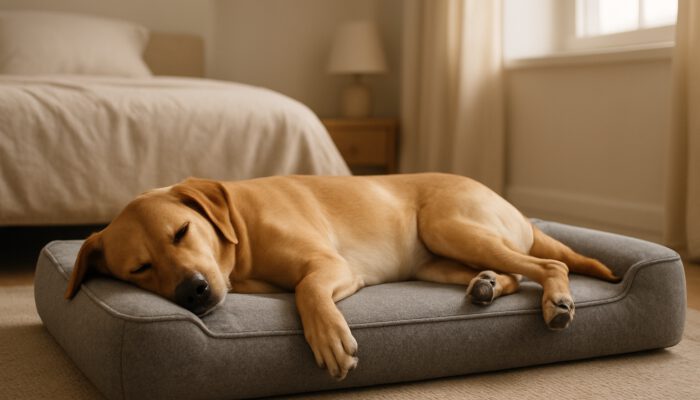
Providing expert analysis on density ratings enables pet owners to identify options that balance softness with necessary resistance to maintain joint alignment during sleep. Typically, high-density foam offers superior support, allowing pets to rest comfortably without sinking excessively into the bed, which can lead to discomfort and misalignment.
When evaluating foam density, take into account your pet’s weight and specific joint concerns. For instance, heavier pets may require denser foam to prevent bottoming out, while lighter pets might prefer a softer surface for improved comfort and support. Testing the foam’s resilience by pressing down can offer insights into its support capabilities and aid in making an informed choice.
Seeking advice from veterinarians or pet specialists can provide additional recommendations on selecting the right foam density for your pet’s needs. This expert guidance is crucial in ensuring that the bed meets your pet’s unique requirements, promoting better joint health and overall well-being throughout their life.
What Are Real-Life Examples of Pet Recovery with Orthopedic Beds?
Sharing actionable strategies for monitoring initial adjustment periods can help pet owners appreciate the benefits of supportive bedding solutions. Numerous pets experience improved mobility after consistently using orthopedic beds, as illustrated by various case studies documented by pet owners who have witnessed remarkable transformations in their pets.
One notable case involved a senior Labrador Retriever struggling with joint pain. After transitioning to a high-density foam orthopedic bed, the owner reported significant improvements in the dog’s mobility and overall comfort within just a few weeks. Such real-life testimonials underscore the positive outcomes that can stem from investing in high-quality bedding designed for optimal support.
Encouraging pet owners to observe their pets during the adjustment phase can be beneficial. Monitoring changes in movement, sleeping patterns, and overall behaviour provides valuable insights into the effectiveness of the new bed and helps identify any necessary adjustments to enhance comfort and support.
How to Select the Right Cover Fabric for Comfort and Durability?
An expert review of breathable textiles can assist in preventing overheating while ensuring durability against claws and the daily wear and tear of active pets. Fabrics such as cotton, polyester blends, and microfibers are commonly recommended for their comfort, softness, and ease of maintenance, making them ideal choices for pet beds.
Choosing a fabric that is both resilient and soft enhances the sleeping experience for pets. Consider water-resistant options that protect the foam from accidents and spills, particularly for older pets who may have bladder control issues. This added feature can significantly prolong the bed’s lifespan.
The right cover material can also aid in regulating temperature, ensuring that pets remain comfortable throughout the night. Breathable fabrics allow for adequate air circulation, reducing the risk of overheating, especially in warmer climates or during the summer months when heat retention can be a genuine concern for pets.
How to Optimise Mattress Thickness for Joint Support?
Delivering detailed expert insights into selecting the appropriate mattress thickness for orthopedic beds considers various pet weights and breeds to maximise joint support. Generally, thicker mattresses provide superior support, particularly for larger or heavier pets that require additional cushioning to maintain comfort and alignment.
For pets weighing under 30 pounds, a thickness of 3 to 4 inches may suffice, while larger breeds might benefit from beds ranging from 5 to 7 inches thick. This extra thickness helps prevent sinking and encourages healthy sleeping postures, which are essential for promoting optimal joint health and overall well-being.
Consulting veterinarians can yield tailored recommendations based on your pet’s specific needs. Understanding how thickness correlates with weight and breed characteristics can assist pet owners in selecting the ideal bed that provides the necessary support and comfort for their furry companions.
Critical Features to Consider When Choosing a Pet Bed
Elevated Designs for Improved Accessibility
Raised edges facilitate entry and exit for older pets facing mobility challenges while keeping the sleeping surface clean from dirt and debris. These innovative designs assist pets with arthritis or other joint issues in navigating their sleeping area more easily, thereby reducing the risk of injury and enhancing their overall comfort.
Seek beds featuring a low-profile design that allows pets to step in effortlessly. Elevated beds also promote better airflow, helping pets stay cooler and more comfortable during sleep. This aspect is especially beneficial in warmer climates where heat retention can be a genuine concern for both pets and their owners.
Elevated designs also maintain the cleanliness of the bed by preventing dirt and debris from accumulating on the sleeping surface. This is particularly important for active pets that may bring outdoor elements inside, ensuring a healthier resting environment and contributing to your pet’s overall well-being.
Easy-to-Clean Removable Covers for Enhanced Hygiene
Washable outer layers simplify maintenance routines and help manage odours from regular pet use over time. Removable covers allow pet owners to maintain hygiene without the need for deep cleaning the entire bed, making it easier to keep the sleeping area fresh and inviting for your pet.
When selecting a bed, ensure it features covers that are machine washable and durable enough to withstand frequent cleaning. Fabrics that resist stains and odours will help maintain the bed’s appearance while preventing unpleasant smells from developing.
Regular cleaning not only improves your pet’s comfort but also contributes to their overall health. A clean sleeping environment can help mitigate allergies and skin irritations, ensuring that pets reap the full benefits of their orthopedic bed and enjoy a restful night’s sleep.
Non-Slip Base Design for Enhanced Stability
Gripping bottoms prevent sliding on smooth floors during position changes, ensuring consistent support throughout the night. A non-slip base is particularly crucial for older pets who may experience balance and coordination challenges, providing them with the stability they need to feel secure in their sleeping environment.
When selecting a bed, look for features such as rubberised grips or textured surfaces that enhance stability. This is especially important in homes with hardwood or tile floors, where beds can easily slide out of position, posing a risk of injury to your pet.
A secure, non-slip base not only enhances safety but also contributes to the pet’s comfort. Knowing that their bed will remain in place allows pets to settle in without anxiety, promoting better sleep quality and overall wellness while they rest.
Orthopedic Foam for Superior Support
High-density memory foam contours precisely to the pet’s body, offering exceptional joint relief and significantly reducing pressure points. This type of foam is engineered to evenly distribute weight, which is crucial for preventing discomfort in sensitive areas such as hips and elbows, especially for older pets.
When selecting orthopedic beds, consider those that incorporate a combination of support layers. A top layer of memory foam above a firmer base can provide the ideal balance between softness and support, catering to the unique needs of various breeds and sizes, thus enhancing overall comfort.
Investing in high-quality orthopedic foam can vastly improve your pet’s sleeping experience. By minimising pressure points and promoting proper spinal alignment, these beds contribute to better overall health and mobility for pets, especially as they age and require additional support.
Effective Strategies for Ensuring the Long-Term Durability of Your Pet’s Bed
Regular Bed Rotation for Uniform Wear
Periodic rotation of the bed helps distribute wear evenly across all sections, preserving its structure and preventing localized compression in high-use areas. This straightforward yet effective practice can extend the bed’s lifespan, ensuring ongoing support for your pet and saving you from frequent replacements.
Establish a routine for rotating the bed, such as every few months, to maintain its shape and effectiveness. This practice is particularly vital for beds used by heavier pets, as concentrated wear can lead to sagging and diminished support in critical areas, compromising your pet’s comfort.
To rotation, routinely inspect the bed for signs of wear and tear. Addressing any issues promptly can prevent further damage and ensure that the bed remains a dependable source of comfort for your pet, contributing to their overall health and well-being.
How Can You Protect the Bed from Direct Sunlight to Maintain Quality?
Shielding the bed from UV rays helps preserve fabric colour and foam resilience, preventing premature degradation of supportive elements. Position the bed in shaded areas or consider using protective covers to mitigate the effects of sunlight exposure, ensuring the bed stays in optimal condition for your furry friend.
Utilising window treatments or placing the bed away from direct sunlight is vital for prolonging its lifespan. This is especially relevant for beds with fabric covers that may fade or deteriorate under constant sunlight, compromising both their appearance and functionality.
Maintaining the bed’s appearance and functionality not only enhances its aesthetic appeal but also ensures it continues to provide the necessary support for your pet’s joints. Regularly inspecting for signs of wear can help identify areas needing attention before they develop into significant issues that affect your pet’s comfort.
Implementing Professional Cleaning Techniques for Longevity
Following manufacturer guidelines for deep cleaning helps avoid damage to internal layers that could compromise the bed’s effectiveness in providing consistent joint support. Regular maintenance is essential for preserving the bed’s integrity and ensuring a healthy sleeping environment for your pet, contributing to their overall health.
Consider using pet-safe cleaning products that are gentle on both fabrics and foams. Professional cleaning services might also be an option for deep cleaning, especially for beds with complex structures requiring specialised care to maintain their quality and performance.
Regularly cleaning the bed enhances its appearance and contributes to your pet’s health. A clean sleeping surface can help prevent allergies and skin irritations, ensuring that your pet enjoys a comfortable and supportive resting area that promotes restorative sleep.
Incorporating the Bed into Your Pet’s Daily Routine for Enhanced Comfort
Gradual Introduction Techniques for Comfort
Slowly introducing your pet to the new bed fosters positive associations, encouraging consistent use for improved sleep quality. Start by placing the bed in a familiar area, allowing your pet to explore it at their own pace. This gradual approach helps minimise anxiety and promotes comfort.
Encourage your pet to use the bed by introducing familiar blankets or toys, creating a cosy and inviting atmosphere that makes the bed feel like a safe haven. Gradually increasing the time they spend on the bed can help them adjust without feeling overwhelmed by the change in their sleeping arrangements.
Monitoring your pet’s comfort during this transition is essential. If they appear hesitant, reinforce positive experiences by rewarding them with treats or praise when they use the bed, fostering a sense of security and comfort that enhances their overall experience.
How Can You Observe Comfort Indicators for Necessary Adjustments?
Be attentive to changes in sleeping postures to ensure the bed meets your pet’s needs. Adjust accessories if any signs of discomfort arise during the initial weeks. Indicators of discomfort may include restlessness, frequent position changes, or reluctance to use the bed altogether.
If you notice these signs, consider changing the bed’s location or adding supportive accessories like orthopedic pillows or blankets to enhance comfort. Ensuring that the bed remains a pleasant and comfortable space is crucial for your pet’s overall well-being, promoting restful nights and happy days.
Regularly checking on your pet’s comfort can help address any issues before they escalate. Being attentive to their needs ensures that the new bed continues to offer the necessary joint support and comfort, contributing to their overall health and happiness.
How to Combine Supportive Bedding with Exercise Plans for Optimal Health?
Pairing an orthopedic bed with light activity routines maximises joint health benefits through complementary approaches to daily wellness. Regular, low-impact exercise can help strengthen muscles and improve joint flexibility, enhancing the effectiveness of the supportive bed and promoting a healthier lifestyle.
Incorporate short walks or gentle play sessions into your pet’s daily routine to boost circulation and overall health, ensuring they remain active and comfortable. This balanced approach helps maintain their physical well-being while allowing them to enjoy the comfort of their new bed.
Balancing rest and activity is crucial for joint health. By combining a supportive bed with an appropriate exercise plan, you can help your pet achieve optimal comfort and mobility, ultimately enhancing their quality of life and happiness.
How Can You Establish Consistent Bedtime Routines for Enhanced Sleep Quality?
Creating a nightly routine that includes settling your pet into the new bed reinforces its role in their daily schedule. Establishing a calming pre-bedtime ritual signals to your pet that it’s time to rest, promoting better sleep patterns and assisting them in adjusting to their new sleeping arrangement.
Incorporate activities like gentle petting, soft music, or dimming the lights to create a relaxing atmosphere that encourages your pet to settle down peacefully. Consistency in these rituals can alleviate anxiety, making it easier for your pet to embrace their new bed as a safe and inviting space for rest.
Over time, a consistent routine can lead to improved sleep quality and overall well-being. By fostering a sense of security and comfort, you can help your pet feel at ease in their new orthopedic bed, ensuring they receive the restorative sleep they need for optimal health.
Frequently Asked Questions About Orthopedic Beds for Pets
What Are Orthopedic Beds for Pets?
Orthopedic beds for pets are specifically designed to provide essential support for joints and bones, typically made from high-density foam or memory foam. These specialised beds relieve pressure points, making them particularly beneficial for older or arthritic pets who require extra support during sleep.
How Can I Determine if My Pet Needs an Orthopedic Bed?
Signs that your pet may benefit from an orthopedic bed include difficulty getting up, reluctance to move, or visible discomfort while lying down. If your pet exhibits these behaviours, it may be time to consider investing in a supportive bed that caters to their unique needs.
What Materials Are Ideal for Orthopedic Pet Beds?
High-density memory foam is frequently recommended for orthopedic beds due to its excellent support and pressure relief. Breathable and durable fabrics contribute to a comfortable sleeping environment, ensuring your pet enjoys a cosy and healthy resting space.
What Is the Best Way to Clean an Orthopedic Pet Bed?
Most orthopedic pet beds come with removable, machine-washable covers. Regularly washing these covers and adhering to the manufacturer’s cleaning instructions can help maintain hygiene and extend the bed’s lifespan, ensuring it remains a comfortable haven for your pet.
Are Orthopedic Beds Suitable for All Types of Pets?
While orthopedic beds are particularly beneficial for older or arthritic pets, they can also be suitable for younger animals with specific joint issues. It’s essential to select the right size and level of support based on your pet’s individual needs and characteristics.
What Is the Expected Lifespan of an Orthopedic Bed?
The longevity of an orthopedic bed depends on materials and usage, but high-quality beds can last several years with proper care. Regular maintenance and cleaning are crucial for extending their durability and ensuring they continue to provide the necessary support for your pet’s joints.
Can I Use an Orthopedic Bed for Multiple Pets?
Yes, orthopedic beds can accommodate multiple pets. Just ensure that the bed is large enough to provide adequate space for each pet. Monitor their comfort and make adjustments as necessary to ensure everyone enjoys a restful sleep.
How Do I Choose the Right Size Orthopedic Bed for My Pet?
Measure your pet while they are lying down to determine their length and consider their weight. Choose a bed that allows sufficient space for them to stretch out comfortably without feeling confined, ensuring they have the room they need for restful sleep.
What Are the Advantages of Orthopedic Beds?
Orthopedic beds offer numerous benefits, including enhanced joint support, pressure relief, improved comfort, and better sleep quality. They can also alleviate pain and discomfort associated with arthritis or other joint issues, contributing to your pet’s overall health and happiness.
What Is the Best Way to Introduce My Pet to a New Orthopedic Bed?
Introduce the bed gradually by placing it in a familiar area and encouraging your pet to explore. Use familiar blankets or toys to create a cosy environment, and reinforce positive experiences with treats or praise when they use the bed.
Stay Updated with Our Latest News on Facebook!
The Article Orthopedic Beds For Pet Joint Support: Benefits For Pets First Published On https://elgatoencasa.com
The Article Orthopedic Beds for Pets: Enhancing Joint Support Benefits Was Found On https://limitsofstrategy.com
The Article Orthopedic Beds for Pets: Boosting Joint Support Benefits found first on https://electroquench.com