Essential Equipment for Successful Home Pressure Canning
Which Pressure Canners Are Best for Home Canning?
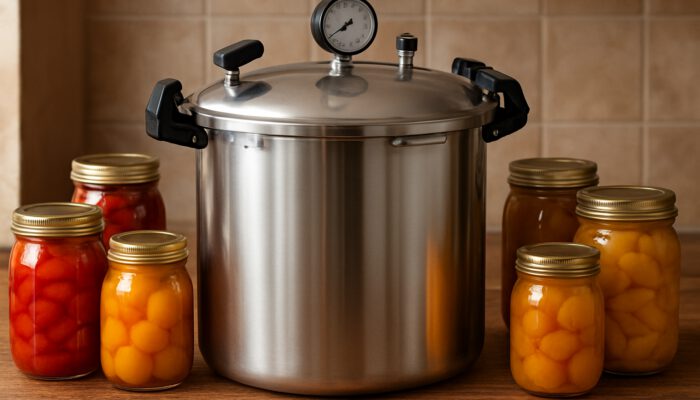
Choosing the right pressure canner is vital for effective home canning. Look for canners made from durable materials like stainless steel, featuring a dependable locking mechanism. It is crucial to select models that have a pressure gauge for precise pressure monitoring during the canning process. Here are some widely recommended options among home canners:
- Presto 23-Quart Pressure Canner: A flexible choice, suitable for both canning and cooking.
- All American 921: Renowned for its robust construction and lack of gaskets, ensuring longevity.
- Mirro 92180: Lightweight and easy to use, making it ideal for beginners.
- Bayou Classic 1064: With an ample capacity, this canner is perfect for processing substantial harvests.
When selecting a pressure canner, ensure it meets safety standards and comes with a comprehensive instruction manual to guide you throughout your canning experience.
How Can You Effectively Set Up Your Canning Workspace?
A successful canning operation starts with an organised workspace. Clear your countertops and thoroughly sanitise the surface to eliminate any debris or contaminants. Collect all necessary tools, including your canner, jars, lids, and utensils, in one designated area for easy access. Consider creating a checklist to ensure you do not forget essential items, such as checking jars for cracks or ensuring that the canner functions correctly. Proper preparation significantly reduces risks associated with canning, such as contamination and equipment failure, resulting in a smoother canning experience.
What Maintenance Practices Ensure Longevity of Your Canning Equipment?
Regular maintenance of your pressure canning equipment is essential for safety and extending its lifespan. After each use, clean the canner meticulously to remove any food residues that might cause damage or contamination. Check sealing rings and pressure gauges for signs of wear, replacing them as needed. Store your equipment in a cool, dry environment to prevent rust and degradation over time. Regular inspections for minor repairs are crucial to maintain optimal performance, ensuring consistent and successful results in your future canning projects.
Which Jars and Lids Are Best for Home Canning?
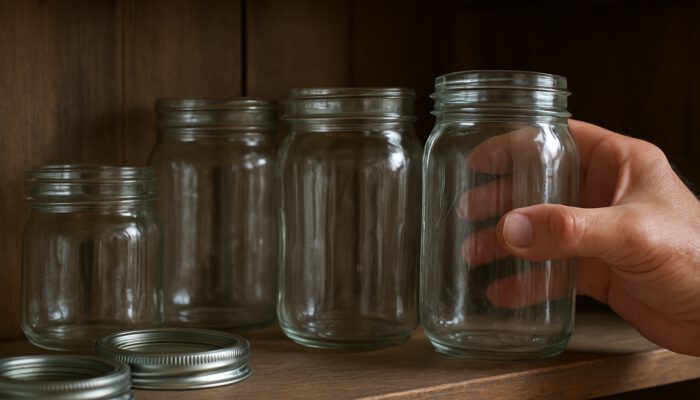
Selecting the appropriate jars and lids is fundamental for successful pressure canning. Always choose glass jars designed specifically for canning, as they can withstand the high pressures and temperatures involved in the process. Opt for sizes that suit your preservation needs, typically ranging from half-pint to quart sizes. Before use, inspect each jar for cracks or dents that could compromise the integrity of the seal. Ensure that the lids you select are new and specifically for home canning, as they are critical for effective sealing. Store jars upright in a dry area, shielded from direct sunlight, to maintain their safety and integrity.
Key Steps for a Successful Canning Procedure
What Is Involved in the Pressure Canning Process?
The pressure canning method uses high temperatures and pressure to eliminate harmful bacteria, yeasts, and moulds from food. The process begins when the canner is heated, increasing internal pressure and elevating the boiling point of water. This allows food to be processed at temperatures exceeding 100°C (212°F), ensuring safe preservation. For novices, it is essential to follow specific canning recipes that detail the appropriate processing times and pressure levels for various food types. Adhering to these guidelines is crucial for achieving safe and stable canned products.
How Should You Properly Fill Your Jars with Ingredients?
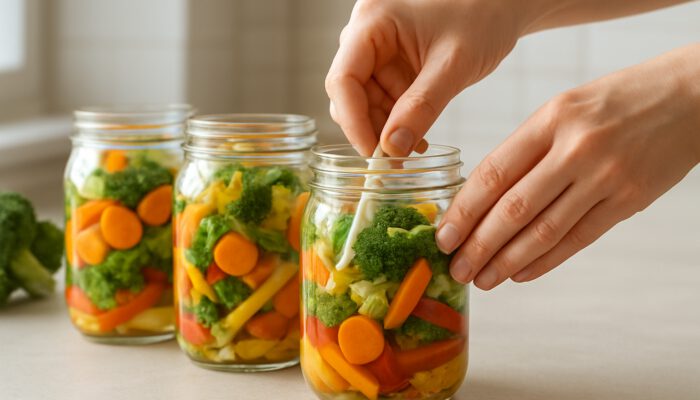
Accurate jar filling is critical for successful canning. Start by preparing your ingredients, ensuring they are clean and cut into appropriate sizes. Pack the jars firmly without overfilling, as air pockets can jeopardise the preservation process. A frequent mistake is leaving too much headspace, which may lead to spoilage or improper sealing. As a rule of thumb, leave approximately 1 inch of headspace for most foods. Use a bubble remover tool to eliminate any air pockets before sealing. This attention to detail can significantly enhance the quality and safety of your preserved foods.
What Is the Correct Method for Sealing and Processing Your Jars?
To achieve a proper seal on jars, place the lids evenly on top and tighten them securely, but avoid over-tightening, as this may hinder the sealing process. Processing times can vary based on the type of food and jar size, making careful monitoring essential. Use the pressure gauge on your canner to maintain the desired pressure throughout the processing duration. Frequently check the gauge, especially during the initial heating phase, to ensure optimal results and prevent spoilage.
What Safety Measures Are Essential During Canning?
How Can You Identify Risks During the Canning Process?
Recognising potential hazards in the canning process is vital for ensuring food safety. Common risks include the growth of bacteria such as Clostridium botulinum, which thrives in low-oxygen environments. To mitigate these risks, maintain proper acidity levels in foods, use a pressure canner, and strictly follow recommended processing times. For instance, testing the pH levels in foods like tomatoes before canning can help ensure their safety for preservation. This proactive approach significantly boosts your confidence in achieving successful canning outcomes.
What Is the Best Method for Storing Canned Goods Safely?
Properly storing canned goods is essential for ensuring long-term safety. Clearly label each jar with its contents and the date of canning, using a waterproof marker for durability. Store jars in a cool, dark location, ideally at a temperature below 21°C (70°F), to prevent spoilage. Avoid placing jars directly on concrete floors, as this can lead to thermal shock. Regularly inspect stored jars for signs of spoilage, such as bulging lids or off-odours, and promptly discard any jars exhibiting these signs to ensure your safety.
What Steps Should You Take to Confirm Seal Integrity After Processing?
After processing, testing the integrity of seals on your jars is essential. Allow jars to cool for 12 to 24 hours before conducting tests. Press down on the centre of the lid; if it pops back up, the jar has not sealed properly. Any unsealed jars should be refrigerated and consumed within a few days. Inspect jars for signs of leakage or spoilage before storage. This verification step is crucial for preventing contamination and ensuring the safety of your canned goods.
How Can You Maintain Hygiene and Sanitation During Canning?
Upholding high hygiene standards is essential in the canning process to prevent microbial contamination. Start with thorough hand washing before handling any food or equipment. Sterilise all jars, lids, and tools by immersing them in boiling water or running them through a dishwasher on the hot cycle. Create a clean workspace by covering surfaces with a sanitised cloth. Use protective gear, such as gloves and aprons, to minimise contamination risks. Effective strategies may include using separate cutting boards for raw and cooked foods to maintain cleanliness and promote safe practices throughout the canning process.
Professional Insights for Safe Home Pressure Canning
Why Is Monitoring Pressure Levels Vital?
Monitoring pressure levels is crucial in pressure canning, as it directly affects the safety and quality of your preserved foods. High-pressure conditions are essential for effectively eliminating bacteria and preserving the food’s texture. Different foods require varying processing times, making it vital to maintain precise pressure levels. For example, low-acid foods like vegetables necessitate higher pressure and longer processing times compared to high-acid foods such as fruits. Regularly calibrating gauges ensures reliable results and enhances your overall canning experience.
What Factors Should You Consider When Choosing Ingredients for Canning?
Selecting high-quality, fresh ingredients is key to successful canning. Opt for seasonal produce at its peak ripeness to ensure optimal flavour and nutrient retention. Assess quality by examining vibrant colours, firmness, and the absence of blemishes. Seasonal options might include:
- Summer tomatoes for sauces and salsas
- Stone fruits like peaches for jams
- Autumn squash for hearty soups
- Green beans for pickling
These selections not only enhance taste but also contribute to the safety and longevity of your canned goods, making your efforts worthwhile.
How Can You Ensure Consistent Processing Times?
Maintaining consistent processing times is critical for the safe preservation of food. Different food types have distinctive processing requirements based on their density and acidity. As a general rule, strictly adhere to recipes from reputable sources that specify processing times based on food types. Consider altitude adjustments, as higher elevations require longer processing times due to lower boiling points. Paying attention to these details guarantees consistent results and enhances the overall safety of your canned goods.
What Troubleshooting Steps Can Help with Common Canning Issues?
What Are Common Causes of Jar Sealing Failures?
Various factors can lead to failures in jar sealing. Common causes include using old or damaged lids, improper jar filling, or inadequate processing times. To prevent these issues, always use new lids specifically designed for canning and ensure that jars are filled to the recommended headspace. Regularly inspect your equipment for signs of wear and replace any components as necessary. This proactive approach significantly enhances the reliability of your canning outcomes and instils confidence in your preserving efforts.
How Should You Handle Over-Processing Mistakes?
Over-processing can adversely affect the quality of canned goods, resulting in mushy textures and diminished flavours. If you discover that you have over-processed your jars, assess the food inside. Generally, while the taste may be compromised, the food will remain safe to consume. For future batches, maintain a precise timer and closely monitor pressure levels throughout the canning process. This diligence can help prevent over-processing and ensure that the quality of your preserved foods remains high.
How Can You Identify Signs of Food Spoilage?
Recognising signs of food spoilage is essential for the safe consumption of canned goods. Indicators such as off-odours, bubbling, or unusual colours suggest that something is amiss. Check for bulging lids, which indicate gas build-up due to bacterial activity. Establish a routine for inspecting jars before consumption, including visual checks and sniff tests. If any signs of spoilage are evident, it is critical to discard the food immediately to prevent potential health risks.
Research-Backed Advantages of Safe Pressure Canning Techniques at Home
Why Are Acidity Levels Crucial in Canning Recipes?
Acidity levels are vital in food preservation, significantly influencing the safety and stability of canned goods. Foods with high acidity, like tomatoes and citrus fruits, are less prone to bacterial growth, making them safer for processing using water bath methods. To ensure safety, regularly test pH levels using pH strips, particularly when modifying recipes. Adjustments may be necessary to maintain safe acidity levels, enhancing preservation and safeguarding the quality of your canned products.
How Can You Retain Nutrients During the Canning Process?
Certain techniques can aid in preserving vitamins and minerals during the canning process. Blanching vegetables before canning not only maintains their nutrients but also enhances their colour and texture. Rapidly cooling them in ice water after blanching halts the cooking process, effectively locking in essential vitamins. Using minimal water during processing can further aid in nutrient retention, ensuring that your home-canned foods are both delicious and beneficial for your overall health.
How Do You Adapt Canning Recipes for Different Food Textures?
Different food textures necessitate specific adaptations in canning recipes to ensure even processing. Solid foods, such as beans and meats, require longer processing times to ensure thorough heat penetration. Conversely, liquids like broths and sauces necessitate shorter processing durations. Effective adaptation strategies may include:
- Adjusting processing times based on food density
- Incorporating liquids to facilitate heat distribution
- Utilising layering techniques to enhance flavour
- Applying appropriate spices to modify texture
These modifications are crucial to ensuring safe and effective preservation across a variety of food types.
What Makes Home Canning a Cost-Effective Option?
How Can You Compare Costs of Fresh Produce Versus Canned Goods?
Home canning can lead to substantial savings compared to purchasing fresh produce at retail prices. By buying in bulk during harvest seasons, you can preserve fruits and vegetables at their peak, dramatically reducing overall costs over time. Budgeting for supplies, including jars and lids, also contributes to the economic advantages of canning. While the initial investment may seem significant, the long-term savings in grocery bills make home canning a financially astute choice for families and individuals alike.
What Strategies Can Maximise Shelf Life?
Maximising shelf life is essential for minimising waste and effectively utilising canned goods. Organise your jars strategically, placing older jars at the front for easy access and consumption. Monitoring your consumption patterns can inform future canning sessions, reducing the risk of excess production. By assessing your household’s eating habits, you can make informed choices about which foods to can, ensuring efficient use of resources and limiting kitchen waste.
How Can You Tailor Canning Batches to Suit Family Sizes?
Customising your canning batches to suit family sizes can lead to minimal excess and optimal resource use. Start by evaluating your family’s weekly or monthly food consumption. Scale down recipes as necessary to avoid leftovers that may go to waste. Planning ahead for different seasons ensures you have the right quantities without overproducing. This strategic approach can streamline the canning process and cater to your household’s specific needs while preventing unnecessary waste.
Innovative Techniques to Enhance Canning Results
How Can Layering Ingredients Improve Canning Outcomes?
Layering ingredients in jars can significantly enhance flavour distribution and visual appeal. By strategically placing ingredients, such as herbs or spices, between layers of food, you can create a more complex flavour profile. For instance, layering tomatoes with basil and garlic can yield a delightful taste experience. This method also promotes even cooking and processing, ensuring that all ingredients are adequately preserved and seasoned for maximum enjoyment.
How Can You Safely Experiment with Flavour Enhancements?
Incorporating flavour enhancements can add depth to your home-canned foods, but it is essential to approach this carefully to maintain safety. Experiment with natural additives such as herbs, spices, and citrus zest, which can complement the primary ingredients without jeopardising safety. Begin by testing small batches before scaling up your efforts. Always adhere to safe canning guidelines when introducing new flavours to prevent spoilage and ensure that the results are both delicious and safe for consumption.
How Can You Streamline the Cooling and Labelling Process?
Implementing efficient cooling and labelling procedures can greatly enhance your overall canning experience. After processing, place jars on a cooling rack or towel to allow for even cooling. Once cooled, label jars promptly to ensure accurate identification of contents. Use waterproof markers or durable labels that can withstand pantry conditions to maintain clarity. A streamlined approach to these steps aids in organisation and ensures quick access to your preserved goods, making meal preparation seamless and efficient.
How Can Automation Enhance the Home Canning Process?
In the realm of home canning, adopting automation can simplify processes and reduce the likelihood of errors. Electric sealers, timers, and digital pressure canners can eliminate guesswork and improve preservation outcomes. For instance, an electric canner can provide precise temperature control and timing, ensuring safety and consistency. Search for affordable options that fit your budget, always following the manufacturer’s guidelines for safe usage. Integrating automation can enhance your canning journey by making it more efficient while maintaining the quality and freshness of food for everyday use.
How Can Fermentation Techniques Be Explored for Food Preservation?
Fermentation offers an innovative approach to canning that not only enhances flavours but also boosts nutritional value. This method utilises beneficial bacteria to preserve food, resulting in unique tastes and health benefits. Start by selecting suitable ingredients, such as vegetables for pickling or fruits for fermenting. Monitor fermentation conditions closely, ensuring the appropriate temperature and duration to achieve the desired results. Combining fermentation with traditional canning methods can extend shelf life while improving the health properties of preserved foods, adding a creative twist to your canning repertoire.
Proven Strategies for Successful Pressure Canning at Home
How Can You Establish a Regular Canning Routine?
Establishing a consistent routine for canning is crucial for maintaining skills and ensuring reliable outcomes. Schedule dedicated canning days, particularly during harvest seasons, to make the most of fresh produce. Set achievable goals for each session, such as canning a certain number of jars, to keep the process manageable and enjoyable. Regular practice builds confidence and enhances proficiency, making each canning session more efficient and fulfilling.
How Can You Share Your Canning Knowledge with the Community?
Sharing your canning knowledge and expertise with others fosters community learning and promotes safe practices. Consider hosting canning workshops or informal gatherings where you can demonstrate techniques and share valuable insights. Utilise visual aids, such as step-by-step guides or videos, to enhance understanding. This collaborative approach encourages knowledge transfer and strengthens community bonds around the shared activity of home canning, enriching the experience for everyone involved.
How Can You Continuously Review and Update Your Canning Methods?
Regularly reviewing your canning methods can lead to improved efficiency and outcomes. Reflect on previous canning sessions, assessing what worked well and identifying areas for adjustment. Stay informed about new techniques or safety guidelines within the canning community, and do not hesitate to adapt your approach based on your experiences. This ongoing evaluation ensures that your canning practices remain effective and safe over time, allowing you to continuously refine your skills.
Why Is Routine Maintenance of Equipment Essential?
Conducting routine maintenance of your equipment is vital for ensuring safety in home canning. Regularly inspect your pressure canner’s seals, gauges, and vents for any signs of wear or malfunction. In Australia, consider having professional checks annually to maintain optimal performance. Beginners should learn simple maintenance tasks, such as cleaning the canner after each use and ensuring that gaskets are in good condition. This proactive approach fosters reliable results and enhances your overall canning experience, contributing to successful preservation efforts.
Frequently Asked Questions
What Distinguishes Water Bath Canning from Pressure Canning?
Water bath canning is suitable for high-acid foods, whereas pressure canning is essential for low-acid foods to prevent the growth of harmful bacteria. Pressure canning utilises higher temperatures achieved under pressure, ensuring the safety of a broader range of foods.
How Long Can Home-Canned Foods Maintain Their Quality?
Home-canned foods can last from 1 to 5 years, depending on the type of food and storage conditions. Properly sealed jars stored in a cool, dark place will maintain their quality for an extended period.
Can You Reuse Canning Jars and Lids?
Canning jars can be reused as long as they remain in good condition, free from cracks or chips. It is advisable to use new lids each time, as they ensure a proper seal and maintain the integrity of your canned goods.
What Should You Do If a Jar Does Not Seal Properly?
If a jar fails to seal, refrigerate it and consume the contents within a few days. Inspect the jar and lid for any defects, ensuring that you maintain proper headspace and processing techniques during your next canning session.
Are There Specific Foods That Should Never Be Canned?
Yes, certain foods, including dairy products, fats, and thick purees, are not recommended for canning due to safety concerns and the risk of spoilage. Always refer to trusted canning guides for safe practices and recommendations.
How Can You Assess the Safety of Your Canned Food?
Check for signs of spoilage, such as off-odours, bulging lids, or leaks. If any of these signs are present, it is safer to discard the food. Always trust your senses when evaluating the safety of home-canned goods.
What Essential Equipment Is Needed for Pressure Canning?
Essential equipment includes a pressure canner, jars, lids, a jar lifter, a funnel, and a bubble remover. Ensure that all tools are clean and sanitised before use to uphold food safety standards.
Can Frozen Foods Be Canned Without Thawing First?
It is generally advisable to thaw frozen foods before canning them, as this ensures even processing and enhances the quality of the final product.
How Do You Adjust Your Canning Recipes for Altitude Changes?
At higher altitudes, increase processing times and pressure levels according to altitude charts. This adjustment is critical for ensuring safety and effective preservation of your canned goods.
What Are the Benefits of Home Canning?
Home canning allows you to preserve fresh produce at its peak, control the ingredients used, save money, and reduce food waste. It also fosters a deeper connection to food and the preservation process, enriching your culinary experiences.
Join us on Facebook for the fun!
The post Top Tips for Pressure Canning at Home Safely: Essential Guidelines appeared first on https://cookinggods.com
The article Pressure Canning at Home: Essential Safety Tips was found on https://limitsofstrategy.com
The Article Pressure Canning Safety Tips for Home Enthusiasts found first on https://electroquench.com