Last Updated on November 12, 2025 by David
Key takeaways from the article, “<a href="https://www.abbeyfloorcare.co.uk/home-garden/can-you-recommend-the-safest-products-for-cleaning-grout/">What Is the Best Product for Terrazzo Cleaning?</a>
- Utilise pH-neutral cleaners for routine maintenance to avoid etching or dulling the surface, particularly when marble chips are present in the terrazzo mix.
- Alkaline cleaners are effective for entrenched soils, but must be rinsed thoroughly and resealed if left to dwell for prolonged periods.
- Avoid using acidic, bleach-based, or abrasive products, as these can cause permanent harm to terrazzo and affect its long-term visual appeal.
- Topical sealers are a viable option when properly maintained and reapplied, offering enhanced gloss and protection for areas with heavy foot traffic.
- Consistent maintenance with soft tools and prompt spill response helps preserve the finish and decreases the necessity for frequent deep cleaning.
Discover the Unique Features and Advantages of Terrazzo Flooring

What is Terrazzo Made Of? Delving into the Materials That Define This Unique Flooring
Terrazzo is a sophisticated composite flooring material, meticulously crafted from a combination of marble, quartz, granite, or glass chips seamlessly integrated with a cement or epoxy base. After installation, the surface undergoes a thorough grinding and polishing process to achieve a smooth and visually appealing finish. Due to its natural stone components, terrazzo is susceptible to damage from harsh chemicals, necessitating gentle maintenance to uphold its aesthetic allure. Understanding the specific materials that comprise terrazzo is vital for homeowners aiming to ensure optimal care and extend the lifespan of this elegant flooring solution.
Expert Recommendations: Essential Products for Daily Maintenance of Terrazzo
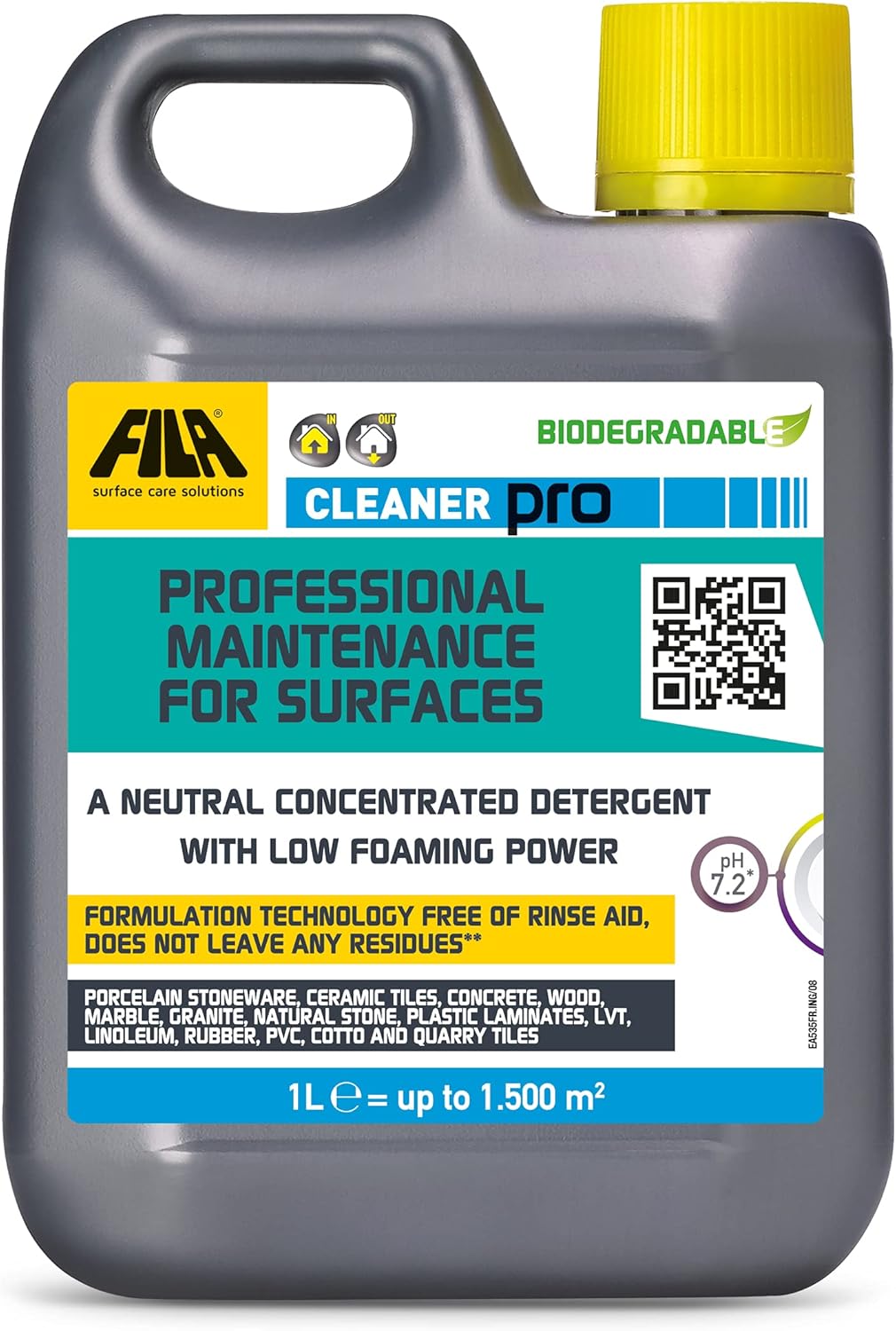
Fila Pro Floor Cleaner
|
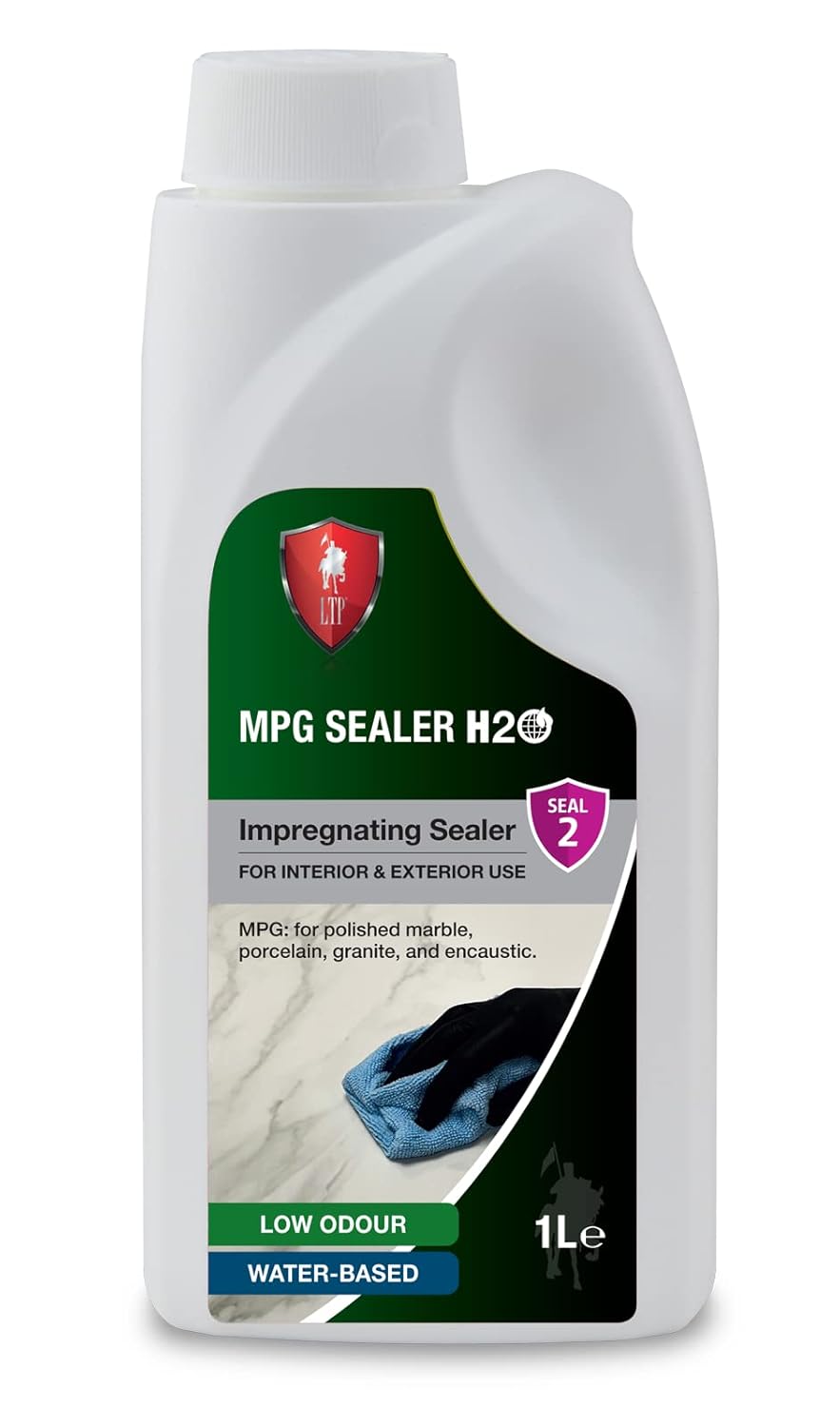
LTP MPG Sealer H20
|
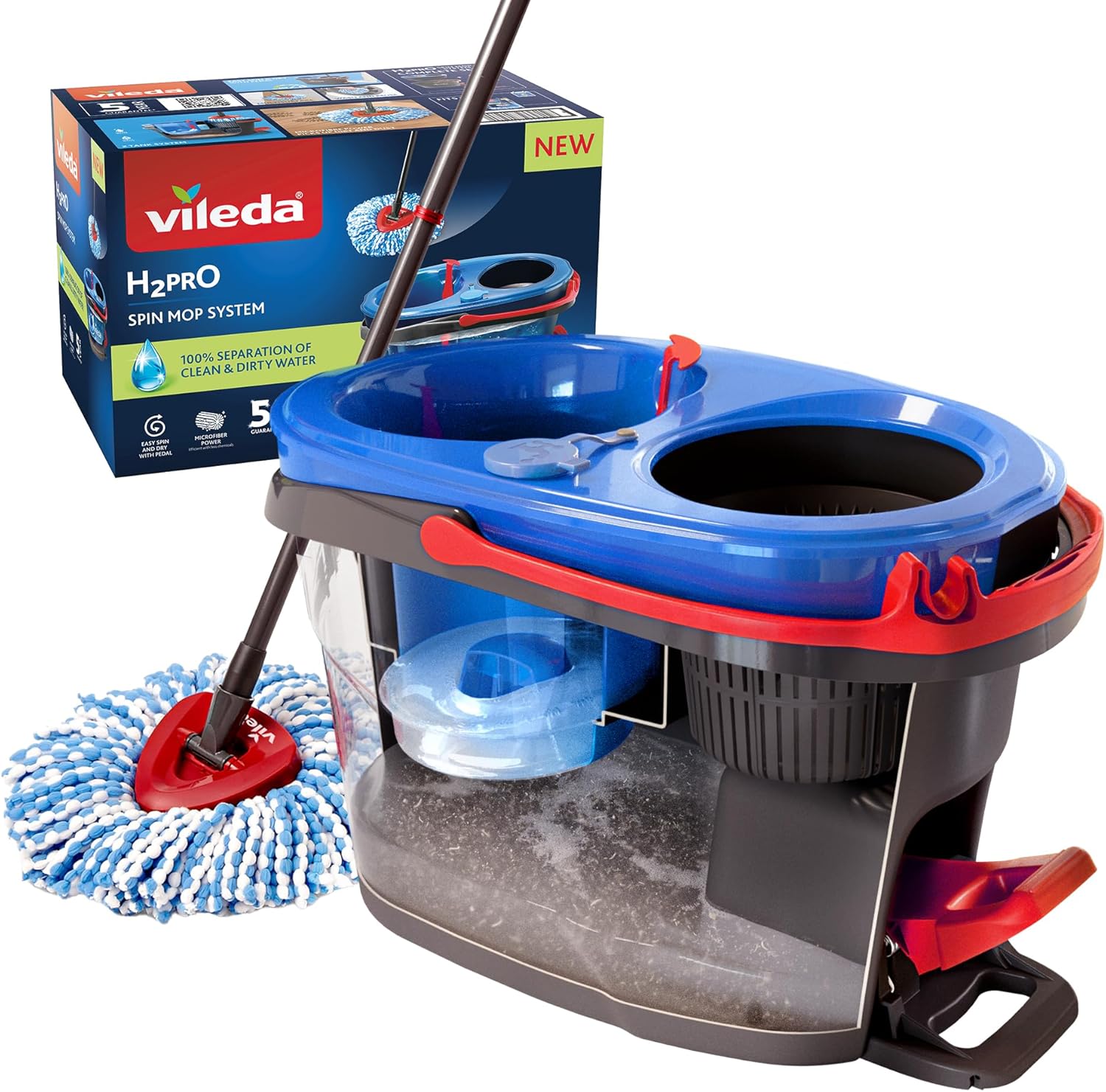
Vileda H2PrO Spin Mop System
|
Why Terrazzo Requires Special Care: Understanding the Specific Vulnerabilities of this Flooring
Unlike ceramic or vinyl flooring options, terrazzo possesses inherent porosity, allowing it to absorb liquids if not adequately sealed. The use of acidic cleaners, bleach, or abrasive tools can dull the polished surface or lead to lasting stains. To maintain terrazzo floors in pristine condition, it is crucial to use pH-neutral products specifically formulated for stone surfaces. Regular maintenance is imperative for preserving the shine and preventing long-term damage, thereby ensuring the enduring beauty and durability of your flooring.
Avoiding Common Mistakes When Cleaning Terrazzo Floors: Key Considerations for Homeowners

Why Acidic Cleaners Are Hazardous: Understanding the Risks Associated with Their Usage
Acid-based cleaning products such as vinegar, lemon juice, or lime scale removers can etch the surface of terrazzo, particularly if it contains marble chips. Even a single application can result in unsightly dull patches or cause irreversible damage. Many homeowners mistakenly assume that natural acids are safe to use; however, terrazzo reacts differently compared to ceramic or porcelain tiles. Being informed of these risks is essential for maintaining the integrity of your terrazzo floors over time.
The Dangers of Steam and Bleach: Protecting Your Terrazzo Floors from Potential Damage
Steam cleaning may seem like a convenient solution, but the high temperature and pressure can weaken sealants and drive moisture into the substrate. Meanwhile, bleach, being alkaline, can result in discolouration of terrazzo over time. Both methods risk compromising the structural integrity of the floor, especially in older properties or areas where the sealant is already compromised. It is vital to explore safer alternatives for cleaning terrazzo surfaces effectively.
How Abrasives Can Damage the Finish: Safeguarding Your Terrazzo Flooring
Employing scouring pads, gritty powders, or stiff brushes can scratch the polished finish of terrazzo. Once scratched, the floor loses its reflective quality and becomes increasingly difficult to clean. For deep-cleaning tasks, always select soft pads and non-abrasive tools specifically designed for stone surfaces. Protecting the finish is essential for maintaining long-term beauty and ease of upkeep, ensuring that your terrazzo floors remain stunning for years to come.
Making Informed Choices for Deep-Cleaning Products: Evaluating Your Options

What Qualifies a Cleaner as Safe for Terrazzo? Identifying Effective and Reliable Cleaning Solutions
Safe terrazzo cleaners are pH-neutral, non-acidic, and free from harsh solvents. Given that terrazzo often incorporates marble chips, it does not react well to acidic or alkaline products. A balanced cleaner effectively lifts dirt without jeopardising the surface or sealant. Look for labels that indicate compatibility with natural stone or terrazzo to ensure safe cleaning practices.
In instances where terrazzo floors are heavily soiled—particularly in kitchens, hallways, or commercial spaces—standard pH-neutral cleaners may lack the potency required to dissolve stubborn grime. Over time, oils, grease, and tracked-in dirt can embed deeply within the porous surface, especially if the sealant has weakened, necessitating a more powerful cleaning solution.
Why an Alkaline Cleaner Is Sometimes Essential: When to Opt for Stronger Solutions for Stubborn Stains
Alkaline cleaners are designed to penetrate organic soils, grease, and stubborn residues that neutral products may not effectively eliminate. These solutions emulsify contaminants, allowing for their removal from the terrazzo’s pores for easy rinsing. For ingrained grime, a stronger alkaline formulation may be necessary to restore the floor’s original aesthetic, ensuring it looks its absolute best.
Rinse Thoroughly to Prevent Surface Damage: Ensuring Proper Care of Your Terrazzo Floors
While effective, alkaline cleaners must be used with caution. If left on the surface for an extended period, they can strip protective sealers or cause discolouration. It is crucial to follow the recommended dwell time—usually between 5 and 15 minutes—then rinse the floor thoroughly with clean water. Employing a wet vacuum or performing multiple mop passes ensures no residue remains. Inadequate rinsing can result in a chalky film or long-term dullness, detracting from the overall appearance of your terrazzo floor.
Resealing May Be Necessary After Deep Alkaline Cleaning: Safeguarding Your Investment in Terrazzo
If the cleaner required an extended dwell time to effectively break down soils or if the floor was previously unsealed, it is advisable to reseal the terrazzo after cleaning. Alkaline products can open the stone’s pores, increasing its vulnerability to future staining. Applying a breathable impregnating sealer helps restore protection and maintain the floor’s resilience against moisture and dirt, ensuring its longevity.
Your Comprehensive Guide to Effectively Deep-Cleaning Terrazzo Floors
Preparing the Surface: Get Your Floors Ready for Optimal Cleaning Results
Start the cleaning process by removing loose dust and debris using a soft-bristle broom or a vacuum set to hard floor mode. Avoid dragging furniture or utilising metal-edged tools, as these can scratch the surface. If there is residual polish or residue on the floor, it may be beneficial to employ a safe terrazzo stripper before deep-cleaning to ensure optimal results.
Safely Applying the Cleaner: Ensuring Effective Techniques for Application
Mix your chosen cleaner according to the manufacturer’s guidelines. Apply it evenly across the floor using a microfiber mop or a soft applicator. Allow the solution to dwell for 5 to 10 minutes to loosen ingrained dirt, ensuring it does not dry on the surface. Work in manageable sections to maintain control and achieve a thorough cleaning.
Best Practices for Agitation and Rinsing: Maximising the Effectiveness of Your Cleaning Efforts
Utilise a soft white pad or a slow-speed rotary machine fitted with a non-abrasive brush to agitate the surface. This method effectively lifts dirt from the terrazzo’s pores without causing scratches. Rinse thoroughly with clean water, frequently changing the water to prevent the re-deposition of dirt. A wet vacuum can hasten the process and enhance results, ensuring a spotless finish.
Drying and Buffing for a Lasting Finish: Achieving an Impeccable Look for Your Terrazzo Floors
Allow the floor to air dry completely or utilise a dry microfiber mop to remove any residual moisture. Once dry, buff the surface with a clean white pad to restore a light sheen. If the floor still appears dull, it may be necessary to consider resealing or polishing, particularly in high-traffic areas where wear is more evident.
Recognising When to Reseal Your Terrazzo Floor: Enhancing Its Longevity
Signs Indicating Your Seal Has Worn Off: Realising the Need for Resealing
If your terrazzo floor appears dull, absorbs water rapidly, or shows signs of staining, the sealant may have deteriorated. You can perform a simple water-drop test: place a few drops on the surface and observe closely. If the water darkens the stone or disappears quickly, it is time to reseal your terrazzo floors to safeguard them from further damage.
Selecting the Appropriate Sealer: Ensuring Optimal Protection for Your Terrazzo Floors
For residences in the UK, solvent-based impregnating sealers such as Lithofin Stainstop or Fila MP90 offer long-lasting protection without altering the natural appearance. These sealers penetrate the surface, blocking moisture and stains while avoiding the creation of a visible layer. This method ensures that your terrazzo maintains its natural beauty while receiving adequate protection.
How to Apply Sealer at Home: A Step-by-Step Instruction Manual for Homeowners
Thoroughly clean the floor and allow it to dry for a minimum of 24 hours. Apply the sealer uniformly using a lint-free cloth or sponge, working in small sections to ensure complete coverage. Allow it to absorb for the recommended duration, and then wipe away any excess. A second coat may be necessary for high-traffic areas to guarantee optimal protection. Always ensure proper ventilation and adhere to safety instructions on the label during application to ensure a safe process.
Effective Maintenance Strategies for Terrazzo After Deep Cleaning: Preserving Your Investment
Weekly and Monthly Maintenance Tips: Keeping Your Terrazzo Floors in Pristine Condition
To ensure terrazzo remains visually appealing, regularly dry mop with a microfiber pad to eliminate dust and grit. For weekly cleaning, utilise a diluted pH-neutral cleaner and avoid soaking the floor. Monthly, inspect high-traffic areas for signs of wear and reapply cleaner as necessary. Prevent excessive wetting, which can weaken sealants over time and lead to additional issues.
Optimal Mops and Tools for Ongoing Care: Selecting the Right Equipment for Effective Terrazzo Maintenance
Microfiber mops are ideal for terrazzo as they effectively capture fine particles without scratching the surface. Avoid sponge mops, which can push dirt into the pores. For larger areas, consider a spray mop with refillable cartridges that allow for controlled application of stone-safe solutions. Always rinse mop heads thoroughly after use to prevent residue buildup, ensuring effective cleaning.
How to Address Spills and Stains Promptly: Protecting Your Terrazzo Floors from Damage
Immediately blot spills with a soft cloth or paper towel. Avoid rubbing, as this can spread the stain. For oily or pigmented spills, apply a small amount of stone-safe cleaner and rinse with clean water. If a stain persists, use a baking soda and water poultice, testing first to ensure it won’t affect the finish. Timely intervention prevents lasting marks and helps maintain the floor’s fresh and inviting appearance.
Frequently Asked Questions About Terrazzo Floor Cleaning: Your Queries Clarified
Can I Use Vinegar on Terrazzo? Understanding the Associated Risks and Consequences
No. Vinegar is acidic and can etch terrazzo surfaces, especially those containing marble chips. Even diluted vinegar may lead to dull spots or long-term damage. Always opt for a pH-neutral cleaner specifically formulated for stone surfaces to ensure the durability and longevity of your terrazzo floors.
What If My Floor Is Already Damaged? Exploring Restoration Options for Terrazzo
If your terrazzo has scratches, stains, or dull patches, deep-cleaning alone may not suffice to restore its appearance. Professional honing or polishing may be necessary to eliminate surface damage. In some cases, resealing or applying a stone-safe polish can enhance the look, but restoration is generally the best approach for heavily worn floors, ensuring they regain their optimal appearance.
How Often Should I Deep-Clean? Recommendations for Regular Maintenance of Terrazzo for Longevity
For most homes in the UK, deep-cleaning terrazzo every 6 to 12 months is typically sufficient. Areas with high foot traffic, such as hallways or kitchens, may require more frequent attention. Consistent maintenance between deep cleans helps extend the lifespan of the sealant and keeps the floor looking fresh throughout the year, ensuring your terrazzo continues to shine brightly.
The Article What Is the Best Product for Terrazzo Cleaning first found on https://www.abbeyfloorcare.co.uk
The Article Best Product for Cleaning Terrazzo Surfaces appeared first on https://fabritec.org
The Article Cleaning Terrazzo Surfaces: Top Product Recommendations Was Found On https://limitsofstrategy.com
The Article Terrazzo Surfaces Cleaning: Best Product Picks found first on https://electroquench.com